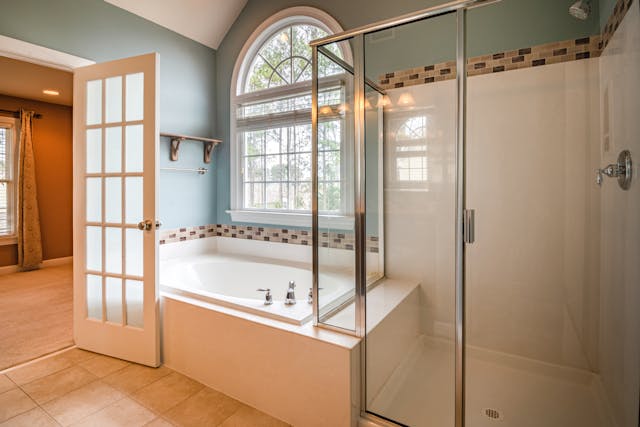
The bathroom is no longer treated as a purely functional space. It has evolved into a hybrid of wellness zone, accessibility solution, and design statement. Retail demand around walk-in bathtubs, custom showers, and safety-focused equipment reflects a deeper shift in buyer expectations. Today’s customers are not just asking “Does it work?” but “Does it improve my lifestyle, fit my space, and feel like an upgrade to my home?”
Across retail environments, from showroom floors to online platforms, the most successful offerings are those that combine safety, personalization, and experience. Buyers are thinking long-term. They want comfort now, but also future-proof solutions that support aging, mobility, and convenience without sacrificing aesthetics.
The Shift from Pure Function to Lifestyle-Driven Design
One of the clearest retail trends is the transition from purely functional bathroom products to lifestyle-oriented solutions. Buyers are no longer satisfied with equipment that simply meets safety standards. They expect it to blend seamlessly into a modern home and elevate everyday routines.
Walk-in bathtubs, for example, were once viewed as clinical or utilitarian. That perception is changing quickly. Today’s designs incorporate spa-like elements such as hydrotherapy features, heated seating, and calming aesthetics that align with broader wellness trends. This repositioning has made them more appealing not just to seniors, but to a wider audience interested in relaxation and recovery.
Similarly, custom showers are being marketed as immersive environments rather than just washing spaces. Retailers are highlighting rainfall showerheads, mood lighting, and layered water experiences that mimic high-end spas. This reflects a broader consumer desire to turn daily routines into restorative rituals.
Accessibility Without the “Medical Look”
A major barrier in the past was the perception that safety-focused bathroom equipment looked institutional. Modern buyers are rejecting anything that feels clinical. Instead, they want accessibility features that are discreet, integrated, and design-forward.
Retail trends show a strong demand for products that hide safety in plain sight. Grab bars are being incorporated into stylish fixtures. Slip-resistant flooring is engineered to look like high-end tile rather than textured rubber. Walk-in tubs now feature smooth contours and minimalistic finishes that blend into contemporary interiors.
This shift is driven by a growing segment of buyers planning for aging in place. They are proactive rather than reactive. They want homes that will remain functional over time, but they are unwilling to compromise on visual appeal to achieve that goal.
The Rise of Customization and Personal Control
Customization is no longer a luxury. It is an expectation. Buyers want bathroom solutions tailored to their space, preferences, and daily habits.
Custom showers are at the center of this trend. Consumers are choosing layouts, materials, water pressure settings, and enclosure styles that reflect their personal preferences. The industry is responding with modular systems that allow for flexible configurations, making it easier for retailers to offer tailored solutions at scale.
This demand for personalization extends beyond layout. Buyers are selecting finishes, colors, and textures that match their overall home design. The bathroom is being treated as an extension of personal identity rather than a standardized space.
Walk-in bathtubs are also becoming more adaptable. Retail offerings now include multiple size options, door configurations, and feature packages, allowing buyers to choose what matters most to them, whether it is therapeutic benefits, space efficiency, or ease of access.
Smart Technology Is Becoming Standard
Technology is rapidly reshaping the bathroom retail landscape. What was once considered a premium add-on is becoming a baseline expectation for many buyers.
Smart showers, for example, allow users to control temperature, water flow, and presets through digital interfaces or mobile apps. Mirrors with integrated lighting and connectivity features are also gaining traction, enhancing both convenience and ambiance.
The broader bathroom market is seeing increased demand for smart systems that improve efficiency, hygiene, and user experience. This includes sensor-based fixtures, automated cleaning functions, and water-saving technologies.
For retailers, this trend represents both an opportunity and a challenge. Products must not only incorporate technology but also present it in a user-friendly way. Buyers want innovation, but they also want simplicity. The most successful offerings are those that feel intuitive rather than overwhelming.
Wellness and Spa-Inspired Experiences Drive Demand
Wellness is one of the most powerful forces shaping bathroom retail trends. Buyers are increasingly viewing their bathrooms as personal retreats where they can relax, recharge, and care for their well-being.
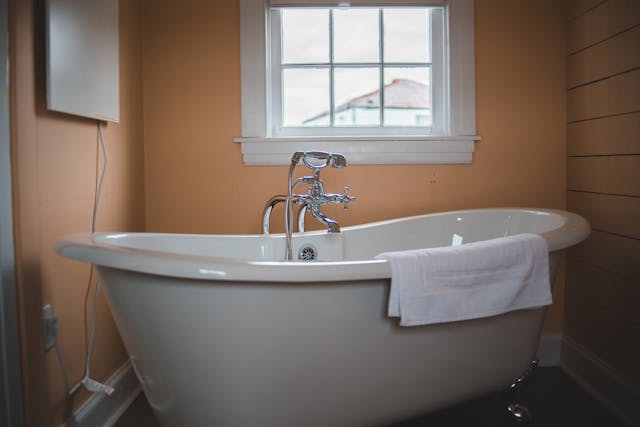
This is driving demand for features that enhance comfort and sensory experience. Walk-in bathtubs with hydrotherapy jets, aromatherapy options, and ergonomic designs are gaining popularity. These features transform bathing into a therapeutic activity rather than a routine task.
Custom showers are also evolving into wellness environments. Multi-head systems, steam features, and ambient lighting are becoming more common. These elements create a layered experience that appeals to buyers seeking both physical relaxation and mental clarity.
Retailers are increasingly positioning these products not just as upgrades, but as investments in health and quality of life. This messaging resonates strongly with both older buyers and younger consumers focused on self-care.
The Dominance of Walk-In Showers in Modern Layouts
While walk-in bathtubs are gaining traction, walk-in showers continue to dominate retail demand in many segments. Buyers are drawn to their accessibility, ease of maintenance, and efficient use of space.
Many homeowners are replacing traditional tubs with walk-in showers, especially in smaller bathrooms or secondary spaces. This trend is driven by practicality as well as design preferences. Walk-in showers offer a clean, streamlined look that aligns with modern aesthetics.
Retailers are responding by offering larger, more customizable shower solutions. Expanded shower spaces, frameless designs, and seamless materials are becoming standard features. The goal is to create an open, uncluttered environment that feels both functional and luxurious.
At the same time, there is still demand for hybrid solutions that combine the benefits of both tubs and showers. These options appeal to buyers who want flexibility without sacrificing space.
Sustainability and Water Efficiency Are Non-Negotiable
Sustainability is no longer a niche concern. It is a core expectation for modern buyers. Bathroom equipment is increasingly evaluated based on its environmental impact as well as its performance.
Water-saving fixtures, energy-efficient systems, and eco-friendly materials are becoming key selling points. Consumers are actively seeking products that reduce water usage without compromising comfort.
This trend is particularly strong in regions facing water scarcity or strict environmental regulations. However, it is also gaining traction globally as awareness of sustainability grows.
Retailers are adapting by highlighting certifications, efficiency metrics, and long-term cost savings. Buyers are not just looking at upfront costs. They are considering the total lifecycle value of the products they choose.
Seamless, Low-Maintenance Design Is a Priority
Modern buyers want bathrooms that are easy to maintain. This has led to a strong preference for seamless designs and durable materials.
Large-format surfaces, minimal grout lines, and integrated components are becoming more common. These features reduce cleaning effort and create a more cohesive look.
Low-maintenance materials such as stain-resistant finishes and antimicrobial coatings are also gaining popularity. Buyers are willing to invest in products that simplify upkeep and maintain their appearance over time.
For safety-focused equipment, this trend is especially important. Products must not only be functional but also easy to clean and maintain, ensuring long-term usability without added effort.
Retail Experience Is Evolving Alongside Product Expectations
The way these products are sold is changing just as much as the products themselves. Buyers are conducting more research online, comparing features, and expecting detailed information before making a decision.
At the same time, physical showrooms remain important for experiential purchases. Customers want to see, touch, and experience products before committing, especially for high-investment items like walk-in tubs and custom showers.
Retailers are bridging this gap by offering hybrid experiences. Virtual consultations, 3D design tools, and interactive displays are becoming more common. These tools help buyers visualize how products will fit into their homes and meet their needs.
The rise of e-commerce is also reshaping distribution channels, with online platforms playing a growing role alongside traditional retail outlets.
What Today’s Buyers Ultimately Want
When all these trends are considered together, a clear picture emerges of what today’s buyers are looking for. They want solutions that combine safety, comfort, and style without compromise. They expect customization and control, but they also value simplicity and ease of use.
They are investing in bathrooms that support their current lifestyle while preparing for the future. They want spaces that feel good to use, look good to live with, and function well over time.
For retailers and businesses in this space, the opportunity lies in understanding these layered expectations. Success is no longer about offering a single feature or benefit. It is about delivering a complete experience that aligns with how people live, age, and define comfort in their homes.
The bathroom has quietly become one of the most emotionally and functionally important spaces in the home. The retail trends around walk-in bathtubs, custom showers, and safety-focused equipment reflect that shift. And buyers are making it clear that they expect more than ever before.
Leave a Reply