
Industrial tools, supplies, and repair services have traditionally been sold through counters, catalogs, and long-standing vendor relationships. Buyers relied on in-person visits, phone calls, and familiar suppliers to source what they needed. While this model worked for decades, it is now being reshaped by modern retail expectations. Today’s buyers—whether contractors, maintenance teams, or procurement managers—expect speed, transparency, and convenience similar to what they experience in mainstream commerce.
This shift is pushing industrial retail beyond the counter and into a more dynamic, digital-first environment. The focus is no longer just on supplying products but on delivering complete solutions that integrate purchasing, service, and support into a seamless experience.
From Transactional Sales to Solution-Based Retail
Industrial retail is moving away from simple transactions toward solution-based selling. Instead of just providing tools or parts, businesses are positioning themselves as partners that help customers solve operational challenges. This approach aligns with the evolving needs of buyers who are looking for efficiency and reliability rather than just products.
Solution-based retail involves bundling tools, supplies, and services into cohesive offerings. For example, a customer may not just need a piece of equipment but also maintenance support, replacement parts, and technical guidance. By packaging these elements together, retailers create more value and simplify the purchasing process.
This shift also changes how products are presented. Instead of focusing solely on specifications, businesses highlight outcomes and use cases. This makes it easier for customers to understand how a solution fits into their operations.
Digital Transformation in Industrial Buying
Moving from Counters to Online Platforms
The rise of digital platforms has transformed how industrial buyers interact with suppliers. Online catalogs, ordering systems, and account dashboards allow customers to browse, compare, and purchase products without needing to visit a physical location. This convenience is particularly valuable for businesses that operate on tight schedules.
Digital platforms also provide access to detailed information, including product specifications, availability, and pricing. This transparency empowers buyers to make informed decisions quickly. As a result, the role of the physical counter is evolving from a primary sales channel to a complementary touchpoint.
Enhancing Efficiency Through Automation
Automation is playing a key role in improving efficiency. Features such as automated reordering, inventory tracking, and digital invoicing reduce administrative work and streamline operations. Buyers can set up systems that ensure they never run out of essential supplies, while suppliers benefit from more predictable demand.
This level of automation aligns with the needs of industrial environments, where downtime can be costly. By simplifying procurement processes, businesses can focus more on their core operations.
Integrating Repair Services into the Retail Experience
Offering Maintenance as a Core Service
Repair and maintenance services are becoming integral to industrial retail. Instead of treating them as separate offerings, businesses are integrating them into the overall customer experience. This creates a more comprehensive approach that addresses both immediate needs and long-term reliability.
Customers can purchase tools and schedule maintenance services through the same platform, creating a unified experience. This integration reduces complexity and ensures that equipment remains in optimal condition.
Building Long-Term Service Relationships
Integrating repair services also fosters long-term relationships with customers. Regular maintenance, service contracts, and ongoing support create recurring interactions that strengthen loyalty. This shifts the focus from one-time sales to continuous engagement.
For businesses, this approach provides more stable revenue streams and deeper insights into customer needs. For customers, it ensures consistent performance and reduces the risk of unexpected failures.
Personalization and Data-Driven Insights
Understanding Customer Needs at a Deeper Level
Modern retail models rely heavily on data to understand customer behavior and preferences. In industrial settings, this data can include purchasing patterns, usage frequency, and maintenance history. By analyzing this information, businesses can offer more personalized recommendations.
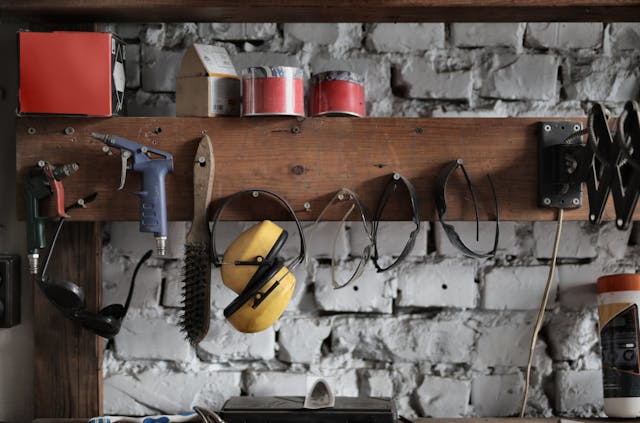
For example, a system might suggest specific tools or parts based on previous purchases or upcoming maintenance needs. This proactive approach helps customers stay ahead of potential issues and improves overall efficiency.
Tailoring Experiences for Different Buyer Segments
Industrial buyers are not a homogeneous group. Different segments have different needs, whether they are small contractors, large enterprises, or specialized technicians. Personalization allows businesses to tailor their offerings to each segment, providing relevant solutions and experiences.
This targeted approach enhances customer satisfaction and increases the likelihood of repeat business. It also helps businesses differentiate themselves in a competitive market.
Creating a Seamless Omnichannel Experience
The evolution of industrial retail is not about replacing physical locations but integrating them with digital channels. An omnichannel approach ensures that customers can interact with a business in multiple ways, depending on their preferences and needs.
For example, a customer might research products online, check availability, and then visit a physical location for immediate pickup. Alternatively, they might place an order online and schedule delivery or service. This flexibility enhances convenience and improves the overall experience.
Consistency across channels is essential. Pricing, availability, and information should align to avoid confusion. When customers receive the same experience regardless of how they interact, it builds trust and reliability.
Rethinking Marketing for Industrial Retail
Marketing strategies are also evolving to reflect these changes. Instead of focusing solely on product promotion, businesses are emphasizing value, expertise, and outcomes. Content such as guides, tutorials, and case studies helps educate customers and position the business as a trusted resource.
Digital marketing channels, including search and targeted campaigns, play a significant role in reaching industrial buyers. By aligning messaging with customer needs and search intent, businesses can attract more qualified leads.
Relationship-driven marketing remains important, but it is now supported by digital tools that enhance communication and engagement. This combination creates a more robust and effective approach.
Scaling Operations with Structured Systems
As industrial retail evolves, scalability becomes a key consideration. Structured systems, standardized processes, and digital tools enable businesses to handle larger volumes without compromising quality. This is particularly important as demand for integrated solutions continues to grow.
Inventory management systems, automated workflows, and data analytics all contribute to scalability. These tools help businesses maintain efficiency and adapt to changing market conditions.
Continuous improvement is also essential. Regularly reviewing performance, gathering feedback, and refining strategies ensures that systems remain effective and aligned with customer expectations.
The Future of Industrial Retail Beyond the Counter
The transformation of industrial retail is still ongoing, and future developments will continue to reshape the industry. Advances in technology, increased integration of services, and evolving customer expectations will drive further innovation.
The concept of “beyond the counter” represents a shift toward more connected, efficient, and customer-centric experiences. Businesses that embrace this shift will be better positioned to meet the needs of modern buyers and achieve long-term success.
Ultimately, the evolution of retail in industrial tools, supplies, and repair services is about more than technology. It is about rethinking how value is delivered, how relationships are built, and how businesses can create experiences that align with the demands of a rapidly changing world.
Leave a Reply