
For a long time, custom diamond jewelry was sold through a predictable formula. Display beautiful pieces, highlight specifications, and rely on in-store experience or polished product pages to close the sale. That model worked when access to options was limited and customers depended on sellers for information.
That environment no longer exists. Today’s buyer has already seen hundreds of designs before even considering a purchase. They arrive informed, skeptical, and often overwhelmed. What they lack is not access to options but clarity and direction.
This is where traditional retail starts to break down. When every brand looks visually similar and communicates in the same way, differentiation disappears. The result is hesitation. Customers delay decisions, compare endlessly, and often walk away without buying.
An experience-driven strategy addresses this directly. It shifts the focus from showcasing products to guiding decisions. Instead of competing on visibility alone, brands compete on how well they can help a customer move from uncertainty to confidence.
Moving from Product Display to Experience Design
In a traditional setup, the product is the center of attention. The goal is to present it in the best possible way and let the customer decide. In an experience-driven model, the focus shifts to the journey itself.
This means thinking beyond how a necklace or engagement ring looks on a page. It means designing how a customer discovers it, understands it, and feels about it at every step. The experience becomes the product as much as the jewelry itself.
When done right, this approach reduces friction. Instead of asking the customer to figure everything out, the brand structures the journey in a way that feels natural. Each step builds on the previous one, creating momentum rather than confusion.
The key difference is subtle but powerful. Traditional retail asks the customer to adapt to the process. Experience-driven retail adapts the process to the customer.
Understanding Intent Before Showing Options
One of the biggest mistakes in custom jewelry retail is showing too many options too early. While variety seems like a strength, it often creates decision fatigue. Customers struggle to narrow down choices because they are not yet clear on what they actually want.
An experience-driven strategy flips this sequence. Instead of starting with options, it starts with intent. What is the occasion. What does the piece represent. How will it be worn. These questions help define the direction before any designs are introduced.
This approach makes everything more efficient. When intent is clear, the number of relevant options decreases dramatically. Customers feel guided rather than overwhelmed, which increases both engagement and conversion.
More importantly, it makes the final choice feel intentional. The piece is not just selected. It is understood.
Turning Customization into a Structured Journey
Customization is often presented as a feature, but in practice it can feel like a burden. Too many decisions, too many variables, and not enough clarity on how everything fits together. This is where many potential buyers hesitate.
An experience-driven playbook treats customization as a structured journey rather than an open-ended process. It breaks the experience into clear stages, each with a specific purpose. First comes direction. Then refinement. Then confirmation.
This structure does not limit creativity. It enhances it by providing context. Customers know what they are deciding and why it matters at each stage. That clarity reduces anxiety and builds confidence.
It also creates a sense of progress. Instead of feeling stuck between options, customers feel like they are moving toward a final outcome with each step.
Making Necklaces and Pendants Feel Personal from the Start
Necklaces and pendants are often the entry point into custom jewelry. They are versatile, expressive, and closely tied to personal identity. This makes them ideal for experience-driven selling.
Instead of presenting them as products, brands can frame them as expressions. What does the piece say about the wearer. What role does it play in their daily life. These questions create a deeper connection before design details are even introduced.
When the experience starts at this level, design decisions become more meaningful. Chain style, length, and diamond placement are no longer abstract choices. They are tied to a clear purpose.
This approach also increases perceived value. The piece feels intentional rather than decorative, which makes the customer more invested in the outcome.
Designing Bracelets Around Real Life, Not Just Aesthetics
Bracelets often sit in a unique position. They are visible, interactive, and subject to constant movement. Yet many retail experiences treat them the same way as other jewelry types, focusing mainly on appearance.
An experience-driven strategy goes further. It considers how the bracelet will function in daily life. Will it be worn at work. During social events. Occasionally or every day. These factors influence design choices in ways that static displays cannot capture.
By incorporating real-life context into the experience, brands can guide customers toward better decisions. The result is not just a bracelet that looks good, but one that feels right in use.
This shift from static presentation to contextual design is a defining feature of modern retail strategy.
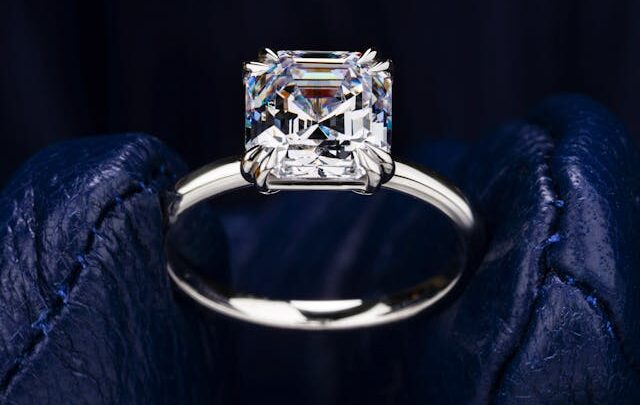
Reframing Engagement Rings as a Collaborative Process
Engagement rings carry the highest emotional and financial weight in custom jewelry. Yet the buying process is often stressful, especially for those who feel unprepared or uncertain.
An experience-driven approach reframes this entirely. Instead of presenting the ring as a final product, it presents the process as a collaboration. The customer is not expected to know everything upfront. They are guided step by step toward the right outcome.
This reduces pressure and increases engagement. Customers feel supported rather than judged. They can explore ideas, refine preferences, and arrive at a design that feels both personal and confident.
The experience becomes just as important as the ring itself. That emotional journey adds depth to the purchase and strengthens the connection to the final piece.
Aligning Digital and Human Interaction
One of the biggest gaps in jewelry retail is the disconnect between digital and human experiences. A website might feel polished and inspiring, but conversations with the brand may feel inconsistent or unclear.
An experience-driven playbook aligns these touchpoints. The tone, clarity, and level of support remain consistent whether the interaction is online or direct. This creates a seamless journey that builds trust over time.
Customers should feel like they are dealing with the same brand at every stage, not switching between different experiences. This consistency is critical for high-value purchases where trust plays a central role.
Using Data to Enhance, Not Replace, the Experience
Modern retail is increasingly data-driven, but there is a risk of over-reliance on metrics without understanding context. Experience-driven strategy uses data differently. It enhances the journey rather than replacing human insight.
Data can reveal patterns, preferences, and friction points. It can show where customers hesitate and where they move forward. When used correctly, it helps refine the experience in ways that feel natural rather than forced.
The goal is not to automate everything. It is to create a smarter, more responsive journey that adapts to the customer while still feeling personal.
The Future of Custom Diamond Jewelry Retail
The shift toward experience-driven strategy is not a trend. It is a response to how customers now make decisions. Access to options is no longer the challenge. Making the right choice is.
Custom diamond jewelry brands that understand this will move beyond traditional retail models. They will focus on guiding intent, structuring journeys, and creating experiences that reduce uncertainty.
Necklaces, pendants, bracelets, and engagement rings will still be at the center, but the way they are sold will be fundamentally different. The emphasis will not be on what is available, but on what is right for the individual.
That is the new retail playbook. Not more products. Better decisions.
Leave a Reply