
When a smartphone stops charging, a laptop develops a faulty screen, or a tablet begins losing battery life, consumers face a familiar decision: should they repair the device or replace it with something new? The answer is rarely based on cost alone. Device age, repair availability, personal preferences, performance expectations, and the convenience of finding a reliable technician all influence the decision.
For retailers and tech device repair businesses, this moment represents an important stage in the retail customer journey. Consumers who originally purchased a device may return to the same retailer for assistance, search for independent repair services, or explore replacement options online. Understanding how customers evaluate these choices helps businesses provide more relevant services and maintain relationships beyond the initial sale.
Tech device repair is no longer simply an alternative to purchasing new electronics. It can also serve as a valuable part of the broader retail experience, connecting product ownership, maintenance, customer support, and future purchasing decisions.
The Retail Customer Journey Continues After the Initial Purchase
Retailers often organize the customer journey around product discovery, comparison, purchase, and post-sale support. However, the relationship between consumers and their electronic devices can continue for several years after the original transaction. During that time, customers may need technical assistance, replacement components, software troubleshooting, or physical repairs. These interactions create additional opportunities for businesses to remain involved in the ownership experience.
A customer who purchases a laptop may initially be satisfied with its performance but encounter battery problems after extended use. At that point, the customer journey shifts from product ownership to problem resolution. The individual may contact the original retailer, research common causes, compare repair costs, or begin considering a replacement. Each interaction influences how the customer evaluates available service providers and retail businesses.
Retailers and repair shops that recognize this extended journey can provide support beyond the point of sale. Clear repair information, accessible technical assistance, and transparent service policies help customers make decisions without unnecessary frustration. This approach can strengthen customer relationships while creating additional opportunities for future business.
What Influences the Decision to Repair or Replace a Device?
The decision to repair or replace an electronic device depends on several practical considerations. Repair cost is often a major factor, particularly when the device is older or replacement models are available at competitive prices. Consumers also consider whether a repair will restore reliable performance and how long the device is likely to remain useful afterward. A relatively inexpensive repair may be attractive when the device otherwise meets the owner’s needs.
Device condition plays an equally important role. A smartphone with a damaged screen but fully functioning internal components may be a reasonable repair candidate. However, a laptop experiencing repeated hardware failures, severe performance limitations, and declining software compatibility may present a different situation. Customers need accurate information about the nature of the problem before making a financial commitment.
Convenience can also influence the outcome. If a repair requires several weeks because replacement components are unavailable, customers who depend on their devices for work may prefer purchasing something new. Repair businesses that provide realistic timelines and clear explanations can help consumers evaluate these trade-offs more confidently.
Tech Device Repair Creates an Important Post-Purchase Service Opportunity
Post-purchase support is an essential part of the retail customer experience, especially for products that require maintenance or technical assistance. Electronics retailers may offer warranties, technical support, and repair arrangements, while independent repair shops provide additional options for consumers whose devices are no longer covered by manufacturer or retailer support. These services help extend the relationship between customers and the businesses that serve them.
Tech device repair shops often become relevant when customers encounter problems that were not anticipated during the original purchase. A cracked tablet screen, damaged charging port, or malfunctioning keyboard can interrupt daily activities and create an immediate need for assistance. By offering diagnostics and practical repair solutions, service providers help customers move from frustration toward a workable resolution.
For retailers, recognizing the importance of repair services can improve the overall ownership experience. Businesses may provide repair referrals, offer appropriate in-house services, or help customers understand their available support options. Even when a retailer does not perform repairs directly, guiding customers toward reliable solutions can demonstrate a commitment to service beyond the initial transaction.
Transparent Repair Estimates Help Customers Make Better Decisions
Uncertainty about repair pricing is one of the biggest obstacles consumers face when deciding whether to fix an electronic device. Customers may hesitate to authorize repairs if they do not understand the expected cost, the condition of the device, or whether additional problems could be discovered. Clear estimates reduce this uncertainty and allow consumers to compare repair expenses with replacement options. Transparency also helps establish trust between customers and service providers.
A professional diagnostic process should explain the identified issue, recommended work, estimated charges, and any limitations affecting the repair. For example, replacing a laptop battery may resolve a power-related problem, but it will not necessarily improve performance issues caused by outdated hardware. Customers benefit when technicians explain what the repair can realistically accomplish rather than promising results that cannot be guaranteed.
Repair shops should also communicate warranty terms, component availability, and the possibility of additional costs before proceeding with work. When customers understand the financial and practical implications, they can make more informed decisions. This clarity can improve satisfaction even when the customer ultimately chooses replacement instead of repair.
Repair Services Can Support Customer Loyalty and Repeat Business
Customer loyalty in electronics retail does not depend entirely on offering the newest products or the lowest prices. Consumers also remember how businesses respond when something goes wrong. A retailer or repair shop that provides helpful guidance during a device problem can create a positive impression that lasts beyond the immediate transaction. This is particularly important because device failures often occur unexpectedly and cause considerable inconvenience.
Tech device repair businesses can strengthen customer relationships through consistent communication and dependable service. Keeping customers informed about diagnostic findings, repair progress, and expected completion dates reduces uncertainty. Explaining how to care for the repaired device can also demonstrate a commitment to the customer’s long-term experience rather than focusing exclusively on completing a transaction.
Satisfied customers may return when another device requires attention or recommend the repair business to friends and family. Retailers that offer useful post-purchase support may similarly benefit when customers consider future electronics purchases. Reliable assistance during difficult moments can become a meaningful point of differentiation in a competitive market.
The Growing Role of Sustainability in Repair and Replacement Decisions
Environmental considerations are becoming part of how some consumers evaluate electronics purchases and device ownership. Manufacturing new electronic products requires materials, energy, and complex supply chains, while discarded devices contribute to electronic waste when they are not properly reused or recycled. Repair can help extend the useful life of functioning equipment and delay the need for replacement. However, the environmental benefits depend on factors such as repair requirements, device efficiency, and how long the repaired product remains in service.
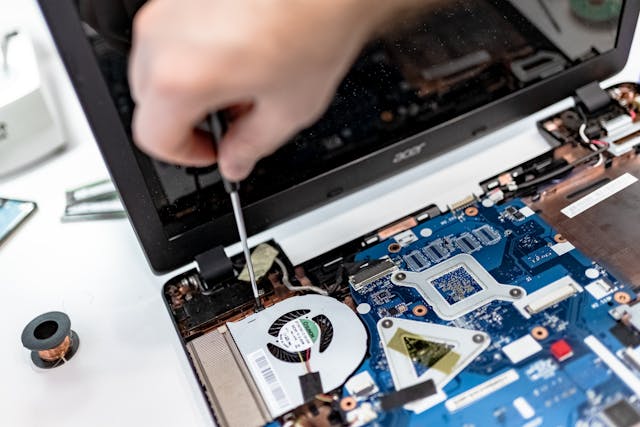
For consumers whose devices still meet their performance needs, replacing a damaged component may be a practical alternative to purchasing new equipment. A battery replacement, screen repair, or charging port repair can sometimes restore functionality without replacing the entire product. These options may appeal to customers interested in reducing unnecessary consumption while managing their technology expenses.
Retailers and repair businesses can support more responsible ownership decisions by providing accurate information about repairability and product longevity. When repair is not technically or economically reasonable, appropriate recycling and disposal options should also be considered. Presenting repair and replacement as choices with different practical and environmental implications helps consumers make decisions that reflect their priorities.
Convenience and Turnaround Time Shape the Repair Experience
Customers often depend on electronic devices for essential daily activities. Smartphones support communication and navigation, laptops are used for work and education, and tablets may serve important household or business functions. When these devices malfunction, customers frequently prioritize getting back to normal as quickly as possible. This makes convenience an important factor in choosing between repair and replacement.
Repair shops can improve the customer experience by providing straightforward service procedures and realistic turnaround estimates. Convenient appointment options, clear drop-off instructions, and timely progress updates help customers plan around temporary device unavailability. For common repairs, maintaining access to frequently needed components may also reduce delays, although availability depends on the device and repair requirements.
Retailers should recognize that convenience influences more than the final purchasing decision. A customer who cannot easily obtain repair information may abandon the process and purchase a replacement without fully exploring alternatives. Businesses that simplify access to diagnostics and repair services can make the repair option more practical for customers with demanding schedules.
Online Research Plays a Major Role in the Repair-or-Replace Decision
Before visiting a repair shop or purchasing a replacement device, many consumers research their options online. They may search for symptoms, compare repair estimates, read customer reviews, or investigate the expected lifespan of their current device. This research stage creates an opportunity for repair businesses and electronics retailers to provide useful information. Clear, relevant content can help customers understand their choices before contacting a service provider.
Tech device repair shops can publish educational resources addressing common problems such as battery deterioration, overheating, cracked screens, and charging failures. Articles explaining when a repair may be worthwhile can attract consumers who are actively evaluating their options. Rather than encouraging every visitor to purchase a service, the content should provide balanced guidance about repair feasibility, cost considerations, and circumstances where replacement may be more appropriate.
Accurate service pages and local business information also support the research process. Customers should be able to identify supported device categories, available repair services, operating hours, and contact methods without navigating confusing websites. A helpful digital presence can turn an initial search into a repair inquiry while establishing the business as a credible source of technical assistance.
Repairability Can Influence Future Electronics Purchases
Consumers who experience expensive or complicated repairs may begin considering repairability when purchasing their next device. Factors such as component availability, battery replacement options, warranty conditions, and access to technical support can affect the long-term ownership experience. A product that appears affordable at purchase may become costly to maintain if common repairs are difficult or replacement parts are unavailable. These considerations can influence how consumers compare electronics over time.
Retailers can help customers evaluate more than the initial purchase price by providing accurate information about warranty coverage, service options, and expected support availability. Repair businesses may also offer practical insights into common device failures and the types of maintenance different products require. Such guidance can help customers choose equipment that better suits their usage patterns and financial expectations.
The relationship between repairability and purchasing behavior also highlights the connection between service experiences and future retail decisions. A customer who encounters repeated difficulties repairing one device may prioritize service access when selecting a replacement. Businesses that understand these concerns can provide more relevant recommendations and support longer-term customer satisfaction.
Repair Shops and Retailers Can Work Together to Improve Customer Support
Electronics retailers and independent repair shops do not always need to compete for the same customer transaction. In some situations, their services can complement each other. Retailers focus on product selection and sales, while repair specialists may provide technical diagnostics, component replacement, and maintenance services. Appropriate collaboration can help customers access support throughout the ownership journey.
For example, a retailer without an in-house repair department may establish relationships with qualified local repair providers. This arrangement can give customers a convenient option when devices require attention outside the retailer’s service capabilities. Similarly, repair shops may help customers understand when replacement is more sensible and direct them toward suitable purchasing options without making unsupported product recommendations.
Any partnership should prioritize clear responsibilities, transparent pricing, and consistent customer communication. Customers need to understand which business is performing the repair, what warranty terms apply, and how service concerns will be handled. Well-organized arrangements can improve convenience while allowing each business to focus on its areas of expertise.
Knowing When Replacement Is the More Practical Choice
Although repair offers many benefits, it is not always the best option. Some devices experience extensive damage, repeated component failures, or limitations that make continued use impractical. Others may no longer receive essential software or security updates, creating concerns that hardware repairs cannot resolve. In these situations, replacement may offer better long-term value despite the higher initial expense.
A reliable repair provider should help customers recognize these circumstances. If a device requires multiple expensive repairs and is unlikely to deliver dependable performance afterward, explaining the limitations can prevent unnecessary spending. Customers may also need newer capabilities that their existing equipment cannot provide, particularly when devices are used for demanding professional tasks.
Offering balanced recommendations can strengthen a repair business’s reputation. Customers are more likely to trust service providers who explain when repairs are worthwhile and when replacement deserves serious consideration. This approach supports informed decision-making and demonstrates that customer needs are being considered alongside immediate service revenue.
The Future of Tech Device Repair in the Retail Customer Journey
The relationship between electronics retail and device repair is likely to remain important as consumers continue relying on technology for work, communication, education, and entertainment. Purchasing a device is only the beginning of its ownership lifecycle, and technical problems can create additional service needs over time. Businesses that recognize these ongoing requirements can provide more complete support rather than focusing exclusively on individual sales or repairs.
Tech device repair shops have an opportunity to position themselves as trusted resources throughout this extended customer journey. Transparent diagnostics, convenient service, realistic estimates, and clear communication help consumers evaluate repair options with greater confidence. Retailers can support the same goal by making post-purchase assistance and service information easier to access.
Ultimately, the decision to repair or replace should be guided by the customer’s needs, device condition, financial considerations, and expected long-term value. Tech device repair fits into the retail customer journey by offering an additional path when products stop performing as expected. When retailers and repair providers make that path accessible and trustworthy, they can improve the ownership experience, strengthen customer relationships, and create value beyond the original purchase.
Leave a Reply