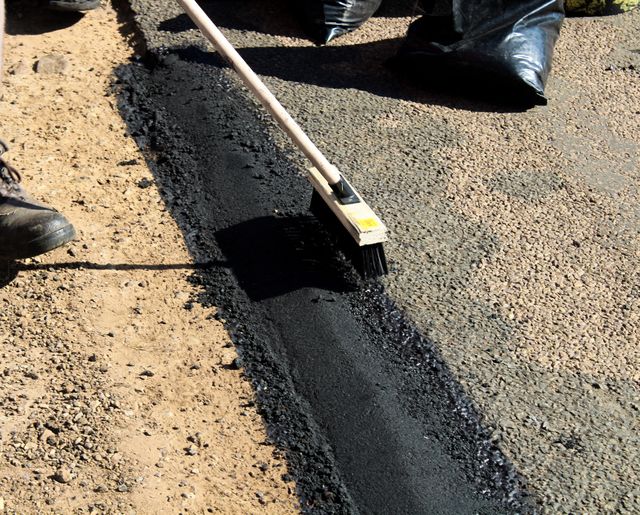
A customer’s experience with a retail business begins long before they walk through the entrance. The condition of the parking lot, the ease of finding a space, and the overall appearance of the property all contribute to their first impression. While retailers often invest heavily in storefront displays, interior design, and customer service, the parking lot is frequently overlooked despite being one of the first areas customers encounter.
Cracked pavement, potholes, faded markings, and uneven surfaces can make an otherwise attractive retail property appear neglected. These issues affect more than appearances. They influence customer convenience, pedestrian safety, vehicle movement, and the long-term costs of maintaining commercial property. Regular asphalt maintenance helps retailers create a welcoming environment while protecting an essential part of their physical infrastructure.
First Impressions Begin Before Customers Enter the Store
Retail businesses compete for attention in ways that extend beyond product selection and pricing. Customers evaluate their surroundings almost immediately upon arriving at a property, often forming impressions based on its cleanliness, accessibility, and general condition. A smooth, well-maintained parking lot communicates that the business pays attention to its facilities and values the experience of its visitors. In contrast, damaged pavement and poorly maintained parking areas can create doubts about the overall quality of the establishment.
For shopping centers, supermarkets, and standalone retail stores, the parking lot serves as an extension of the storefront. Customers may not consciously evaluate the asphalt beneath their vehicles, but they notice when they must navigate potholes, avoid standing water, or struggle to identify parking spaces. These inconveniences can affect how comfortable they feel visiting the location, particularly when alternative shopping destinations are nearby.
As a result, asphalt maintenance should be considered part of the broader retail experience rather than simply a property maintenance expense. A clean, organized, and accessible parking area supports the positive impression retailers work to create through their signage, landscaping, and storefront presentation.
The Connection Between Parking Lot Conditions and Customer Satisfaction
Customer satisfaction depends on the entire shopping journey, including arrival and departure. A customer who encounters damaged asphalt, confusing traffic patterns, or poorly marked parking spaces may begin their visit feeling frustrated. Even when the in-store experience meets expectations, difficulties outside the building can influence how customers remember the visit. Retailers that prioritize convenience should therefore pay attention to the condition and functionality of their parking facilities.
Parking lot maintenance becomes particularly important for businesses that experience heavy vehicle traffic throughout the day. Grocery stores, shopping plazas, pharmacies, and large retail outlets often accommodate frequent vehicle movements, deliveries, and pedestrian crossings. When asphalt surfaces deteriorate, navigating these busy areas becomes more challenging, especially during peak shopping hours or unfavorable weather conditions.
Maintaining pavement also demonstrates consideration for customers with different accessibility needs. Smooth travel paths, clearly marked accessible parking spaces, and properly maintained pedestrian routes help visitors move between their vehicles and the store more comfortably. By addressing these practical concerns, retailers can make their properties easier to use and create a more consistent customer experience.
Asphalt Maintenance Helps Reduce Safety Risks Around Retail Properties
Parking lots bring pedestrians, passenger vehicles, delivery trucks, and shopping carts into shared spaces. This combination of activity makes surface conditions especially important. Potholes, broken pavement edges, and uneven asphalt can create tripping hazards for pedestrians and potentially damage vehicles. Standing water may also conceal pavement defects, making certain areas more difficult to navigate safely.
Routine asphalt maintenance helps property managers identify and address these concerns before they become more serious. Crack filling, pothole repairs, drainage improvements, and surface restoration can reduce common hazards associated with deteriorating pavement. Clear parking space markings and visible pedestrian crossings also support more predictable movement throughout the property, particularly where vehicles and shoppers frequently intersect.
Although no maintenance program can eliminate every risk, proactive attention to parking lot conditions can reduce avoidable problems. Retail property owners should consider regular inspections, prompt repairs, and appropriate traffic management as part of their overall property safety practices. These measures help protect visitors while supporting the smooth operation of busy commercial spaces.
How Neglected Asphalt Can Increase Long-Term Property Expenses
Asphalt pavement naturally experiences wear from vehicle traffic, weather exposure, temperature changes, and moisture. Small cracks may initially appear insignificant, but they can allow water to penetrate beneath the surface. Over time, moisture can weaken the underlying pavement structure, contributing to larger cracks, potholes, and more extensive deterioration. Problems that could have been addressed through relatively minor repairs may eventually require substantial rehabilitation or replacement.
For retail property owners, delaying asphalt maintenance can create unnecessary financial pressure. A parking lot that receives regular inspections and timely repairs is generally easier to manage than one that has been neglected for several years. Preventive maintenance allows property managers to address localized damage before it spreads, potentially extending pavement service life and reducing the need for disruptive reconstruction projects.
The financial benefits also extend to business operations. Major parking lot repairs may require closing sections of the property, temporarily reducing available parking, or redirecting customer traffic. Scheduling smaller maintenance projects before conditions become severe can help retailers minimize these disruptions while maintaining better control over property expenses.
Parking Lot Appearance Contributes to Retail Property Value
The physical condition of a commercial property influences how it is perceived by customers, tenants, investors, and prospective buyers. A well-maintained parking lot complements attractive storefronts, landscaping, lighting, and building exteriors. Together, these elements create a more professional appearance that can strengthen the overall presentation of a retail location. Damaged asphalt, by comparison, can make a property look older or less carefully managed than it actually is.
This relationship is particularly relevant for shopping centers and multi-tenant retail developments. Property managers must maintain common areas that serve numerous businesses, each relying on convenient customer access. Consistent asphalt maintenance helps preserve the quality of these shared facilities and supports a positive environment for existing and prospective tenants. It can also make the property more appealing during leasing discussions and site visits.
Parking lot improvements should therefore be viewed as part of commercial property preservation. While asphalt maintenance alone does not determine market value, it helps protect an important physical asset and supports the property’s overall condition. Retail owners who maintain their exterior infrastructure are better positioned to present their facilities as attractive, functional, and professionally managed.
Preventive Asphalt Maintenance Is More Effective Than Waiting for Major Damage
One of the most practical approaches to parking lot management is addressing pavement deterioration before it becomes extensive. Preventive asphalt maintenance focuses on preserving existing surfaces through regular inspections, timely crack repairs, surface treatments where appropriate, and drainage management. These measures are designed to slow deterioration and help the pavement perform effectively throughout its expected service life.
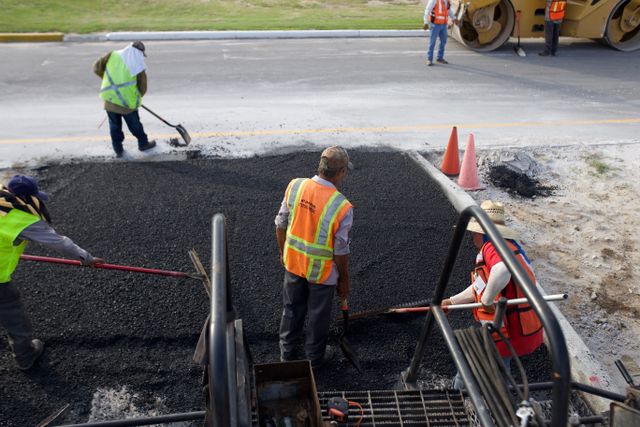
Crack sealing, for example, can limit the amount of water entering suitable pavement cracks when performed under appropriate conditions. Sealcoating may help protect certain asphalt surfaces from environmental exposure and improve their appearance, although it cannot correct structural damage. Pothole repairs address localized deterioration, while resurfacing may become necessary when the existing pavement condition no longer supports routine maintenance. Choosing the appropriate treatment depends on the severity of the damage and the condition of the pavement structure.
Retailers benefit from developing maintenance schedules based on actual pavement conditions rather than waiting until visible problems become widespread. Professional inspections can help determine which areas require immediate attention and which can be managed through preventive treatments. This approach allows property owners to prioritize maintenance spending and avoid treating every pavement issue as an emergency.
Proper Drainage Plays a Major Role in Asphalt Longevity
Water is one of the most persistent challenges affecting commercial asphalt surfaces. When rainwater collects in low areas or enters existing cracks, it can contribute to deterioration of the pavement and its supporting layers. Poor drainage may also leave standing water near entrances, pedestrian crossings, and parking spaces, creating an unpleasant experience for customers. Retail properties that regularly experience pooling water should treat drainage concerns as an important part of parking lot maintenance.
Effective drainage begins with appropriate pavement grading and functioning drainage infrastructure. Catch basins, surface slopes, and surrounding drainage systems should direct water away from areas where it could accumulate or weaken pavement materials. Regular cleaning and inspections can help prevent debris from obstructing drainage openings, particularly in parking lots surrounded by trees, landscaped areas, or heavy pedestrian activity.
Addressing drainage problems early can help prevent recurring pavement damage. Simply repairing potholes without correcting the conditions contributing to their formation may result in repeated maintenance expenses. A more comprehensive asphalt maintenance strategy considers both surface damage and the underlying environmental factors that influence pavement performance.
Clear Parking Lot Markings Improve Traffic Flow and Accessibility
The effectiveness of a retail parking lot depends on more than the condition of its asphalt surface. Clearly visible markings help drivers identify parking spaces, travel lanes, directional arrows, and pedestrian crossings. When these markings fade, customers may struggle to navigate the property efficiently, particularly in crowded shopping areas. Poorly defined spaces can also contribute to inconsistent parking patterns that reduce the practical capacity of the lot.
Routine line striping helps maintain an organized parking environment. Clearly designated parking spaces, accessible parking areas, loading zones, and pedestrian routes provide visual guidance for visitors and delivery drivers. Retailers can also review whether their existing layout supports efficient vehicle circulation, especially when changes in customer traffic or delivery activity place new demands on the property.
Accessibility deserves particular attention during parking lot maintenance and improvement projects. Designated accessible spaces, connecting routes, and appropriate surface conditions should meet applicable accessibility requirements. Maintaining these features helps ensure that the retail experience remains convenient and welcoming for a wider range of customers.
Scheduling Asphalt Maintenance Without Disrupting Retail Operations
Retail businesses depend on consistent customer access, making maintenance scheduling an important operational consideration. Closing large sections of a parking lot during peak shopping periods can create inconvenience, reduce available parking, and interfere with deliveries. Property managers should therefore coordinate asphalt maintenance projects with business hours, seasonal traffic patterns, and tenant requirements. Thoughtful scheduling can help preserve customer convenience while necessary work takes place.
Smaller maintenance activities can sometimes be completed in phases, allowing portions of the parking lot to remain available. Depending on the scope of work and site conditions, projects may be scheduled during lower-traffic periods or outside normal operating hours. Clear temporary signage and designated alternative parking areas can help customers navigate the property while repairs are underway.
Communication also plays an important role in minimizing disruption. Retail tenants, employees, delivery personnel, and customers may need advance notice of temporary access changes. By planning maintenance carefully and coordinating with qualified asphalt professionals, property managers can complete necessary improvements while reducing interference with daily retail activity.
Choosing the Right Asphalt Maintenance Approach for Commercial Properties
Not every parking lot requires the same maintenance solution. The appropriate approach depends on pavement age, traffic volume, drainage conditions, existing damage, and the property’s operational requirements. A small retail storefront with limited parking may have different maintenance needs from a large shopping center that accommodates delivery trucks and continuous customer traffic. Understanding these differences helps property owners avoid unnecessary treatments and prioritize work that addresses actual pavement conditions.
Working with experienced commercial asphalt maintenance professionals can help retailers evaluate their options. A thorough pavement assessment should consider visible cracking, surface deformation, potholes, drainage performance, and signs of structural deterioration. Based on these findings, property managers can determine whether localized repairs, preventive treatments, resurfacing, or more extensive reconstruction would be appropriate.
Long-term planning is equally valuable. Rather than treating asphalt maintenance as an isolated project, retailers can incorporate pavement inspections and repairs into their broader property management budgets. This creates a more predictable approach to maintaining exterior infrastructure while helping preserve the parking lot’s functionality, appearance, and service life.
A Better Parking Lot Supports a Better Retail Experience
Retailers often focus their customer experience strategies on what happens inside the store, but the surrounding property plays an equally practical role in shaping each visit. A well-maintained parking lot makes arriving, parking, walking, and leaving more convenient. It also supports the professional appearance of the business and helps customers feel more comfortable navigating the property. These everyday details contribute to the overall impression visitors develop of a retail destination.
Asphalt maintenance is therefore more than a routine repair responsibility. It is an investment in property functionality, customer convenience, safety, and long-term asset preservation. From repairing cracks and managing drainage to maintaining clear markings and planning resurfacing projects, consistent attention to pavement conditions helps prevent small problems from becoming larger operational concerns.
For retail property owners and managers, the message is straightforward: the retail experience starts in the parking lot. Maintaining that space with the same care given to storefronts and interior facilities helps create a more welcoming environment, protects valuable infrastructure, and supports a positive shopping experience from arrival to departure.
Leave a Reply