Blog

  • Design, Select, Build: Blending Retail Experiences into Modern Renovation and Remodeling Projects

    Design, Select, Build: Blending Retail Experiences into Modern Renovation and Remodeling Projects

    Renovation and remodeling have traditionally been complex, fragmented processes. Homeowners move from one phase to another—design consultations, material selection, contractor coordination—often dealing with different providers at each step. This separation can create confusion, delays, and inconsistent experiences. Today, retail-inspired models are reshaping this journey by bringing design, selection, and execution into a more cohesive and user-friendly framework.

    By blending retail experiences into remodeling projects, businesses are simplifying decision-making, improving transparency, and creating a smoother path from idea to completion. The result is a process that feels more intuitive and aligned with how modern consumers prefer to shop and engage.

    Rethinking the Renovation Journey

    The traditional remodeling journey often requires homeowners to navigate multiple touchpoints independently. They may visit showrooms, research products online, and coordinate with contractors, all while trying to keep track of budgets and timelines. This fragmented approach can lead to inefficiencies and stress.

    Retail-inspired models address this by creating a unified experience. Instead of separate steps, the journey is structured as a continuous flow where design, product selection, and project execution are interconnected. Customers can explore options, make decisions, and move forward with confidence, all within a single ecosystem.

    This integration reduces uncertainty and ensures that each decision aligns with the overall vision. It also helps homeowners feel more in control, as they can see how each element contributes to the final outcome.

    Designing with Clarity and Visualization

    Making Ideas Tangible

    One of the key challenges in remodeling is helping homeowners visualize the end result. Retail experiences solve this by providing clear, engaging ways to explore design options. Visual tools, curated displays, and structured layouts make it easier to understand how different elements will come together.

    By presenting design concepts in an accessible way, businesses can reduce confusion and improve decision-making. Homeowners are no longer relying solely on imagination; they can see and interact with potential outcomes.

    Guiding Choices Through Structured Options

    Retail environments are designed to guide customers through choices without overwhelming them. This principle translates well into remodeling projects. Instead of presenting endless possibilities, businesses can offer curated selections that align with common styles and needs.

    These structured options simplify the process and help homeowners make decisions more quickly. At the same time, they maintain flexibility, allowing for customization where needed. This balance ensures that the experience remains both efficient and personalized.

    Simplifying Product Selection and Procurement

    Creating a Seamless Selection Process

    Material selection is often one of the most time-consuming aspects of remodeling. Homeowners must choose from a wide range of options, each with its own specifications and considerations. Retail-inspired approaches streamline this process by organizing products into clear categories and providing detailed information.

    This structured approach makes it easier for customers to compare options and understand their implications. It also reduces the risk of mismatched selections, ensuring that all components work together harmoniously.

    Integrating Procurement with Project Planning

    In traditional models, product selection and procurement are often separate from project execution. Retail integration brings these elements together, allowing for better coordination and efficiency. Once selections are made, they can be seamlessly incorporated into the project plan.

    This integration minimizes delays and ensures that materials are available when needed. It also provides greater transparency, as homeowners can see how their choices impact timelines and costs.

    Enhancing the Build Phase with Retail Principles

    Improving Communication and Transparency

    Retail experiences emphasize clear communication, and this is equally important in the build phase of remodeling. Homeowners want to know what is happening, when it will happen, and how it aligns with their expectations.

    By applying retail principles, businesses can provide regular updates, clear timelines, and accessible information. This transparency reduces uncertainty and builds trust throughout the project.

    Delivering Consistency and Quality

    Consistency is a hallmark of successful retail operations, and it plays a crucial role in remodeling as well. Standardized processes, clear expectations, and quality control measures ensure that projects are delivered as promised.

    This consistency not only improves outcomes but also enhances the overall experience. Homeowners can rely on the process, knowing that each step is managed effectively.

    Personalization Within a Structured Framework

    Tailoring Solutions to Individual Needs

    While structure is important, personalization remains a key component of successful remodeling projects. Retail-inspired models allow for customization within a defined framework, ensuring that each project reflects the homeowner’s preferences and lifestyle.

    By understanding customer needs and preferences, businesses can offer tailored recommendations that enhance the overall design. This personalization adds value and ensures that the final result meets expectations.

    Balancing Flexibility and Efficiency

    The challenge lies in balancing flexibility with efficiency. Too much customization can complicate the process, while too little can limit creativity. Retail models address this by offering flexible options within a structured system.

    This approach allows homeowners to make meaningful choices without becoming overwhelmed. It also ensures that projects remain manageable and on schedule.

    Leveraging Technology for a Unified Experience

    Technology plays a central role in blending retail experiences with remodeling. Digital tools enable businesses to create seamless interactions, from initial design exploration to final project completion. Online platforms, virtual consultations, and integrated systems all contribute to a more efficient process.

    These tools also enhance collaboration. Homeowners, designers, and contractors can share information, track progress, and make decisions in real time. This level of connectivity improves coordination and reduces the risk of miscommunication.

    For businesses, technology provides valuable insights into customer behavior and project performance. This data can be used to refine processes and improve future outcomes.

    Transforming Customer Expectations

    The integration of retail experiences is changing what customers expect from remodeling projects. Homeowners now anticipate clarity, convenience, and transparency at every stage. They want to feel informed and supported, rather than overwhelmed by complexity.

    Meeting these expectations requires a shift in mindset. Businesses must focus on delivering experiences that are as important as the final result. This involves not only providing quality work but also ensuring that the journey is smooth and enjoyable.

    By aligning with these expectations, businesses can differentiate themselves and build stronger relationships with their customers.

    Scaling Remodeling Services with Retail Models

    Retail-inspired approaches also support scalability. Structured processes, standardized offerings, and integrated systems make it easier to manage multiple projects and expand operations. This is particularly important as demand for remodeling services continues to grow.

    Scalability does not mean sacrificing quality. By maintaining clear standards and leveraging technology, businesses can ensure consistent outcomes across projects. This allows for growth while preserving the integrity of the service.

    Continuous improvement is essential for maintaining this balance. Regularly reviewing processes, gathering feedback, and adapting strategies ensures that the system remains effective and aligned with customer needs.

    The Future of Renovation in a Retail-Driven World

    The blending of retail experiences into renovation and remodeling is part of a broader shift toward more customer-centric services. As technology advances and consumer expectations evolve, this integration will become even more pronounced.

    Future developments may include more advanced visualization tools, deeper personalization, and greater integration of digital and physical experiences. These innovations will further simplify the remodeling process and enhance customer satisfaction.

    Ultimately, the design-select-build model represents a more intuitive and efficient way to approach renovation. By combining the strengths of retail and service delivery, businesses can create experiences that are not only effective but also enjoyable, setting a new standard for the industry.

  • Selling Protection Like a Product: Retail Strategies for Roofing and Gutter Businesses

    Selling Protection Like a Product: Retail Strategies for Roofing and Gutter Businesses

    Roofing and gutter services have traditionally been sold as reactive solutions. A leak appears, a storm hits, or gutters clog, and homeowners begin searching for help. This reactive model often leads to rushed decisions, unclear pricing, and inconsistent customer experiences. Today, retail-inspired strategies are changing this dynamic by transforming roofing and gutter services into structured, easy-to-understand offerings that customers can evaluate and purchase with confidence.

    Selling protection like a product means shifting from complex, one-off estimates to clear, packaged solutions that emphasize value, transparency, and convenience. By adopting retail principles, roofing and gutter businesses can simplify decision-making, build trust, and create more predictable revenue streams.

    Moving from Reactive Services to Packaged Protection

    One of the most impactful changes retail brings is the concept of productization. Instead of presenting roofing or gutter work as a custom, undefined project, businesses can offer clearly defined packages that address common needs. These packages might focus on inspection, maintenance, repair, or full replacement, each with a structured scope and pricing.

    This approach reduces uncertainty for customers. They can quickly understand what is included, how much it costs, and what outcomes to expect. It also speeds up the decision-making process, as customers no longer need to interpret complex estimates or compare vague proposals.

    For businesses, packaging services improves efficiency. It standardizes processes, simplifies training, and ensures consistent delivery. At the same time, it allows for scalability, making it easier to handle higher volumes without compromising quality.

    Creating a Retail-Like Buying Experience

    Simplifying Discovery and Exploration

    Retail experiences are designed to guide customers smoothly from discovery to purchase. Applying this principle to roofing and gutter services means creating clear pathways for customers to explore their options. Websites, service pages, and digital tools should present information in a structured and accessible way.

    Instead of overwhelming users with technical details, businesses can focus on outcomes such as protection, durability, and maintenance. Visual explanations, clear descriptions, and organized categories help customers understand what they need and why it matters.

    This simplified discovery process builds confidence and encourages engagement. When customers feel informed, they are more likely to move forward.

    Offering Clear Choices and Comparisons

    Retail environments often present multiple options that cater to different needs and budgets. Roofing and gutter businesses can adopt a similar approach by offering tiered solutions. Each option should clearly outline its benefits, scope, and pricing, allowing customers to compare and choose what works best for them.

    This transparency reduces confusion and empowers customers to make decisions. It also helps set expectations, minimizing misunderstandings during the project.

    Transparent Pricing as a Trust Builder

    Pricing transparency is a cornerstone of retail success, and it is becoming increasingly important in home services. Customers want to know what they are paying for and why. Hidden costs or unclear estimates can create hesitation and erode trust.

    By presenting clear, upfront pricing, businesses can build confidence and differentiate themselves from competitors. This might involve fixed pricing for standard services or detailed breakdowns that explain how costs are calculated.

    Transparency also supports smoother transactions. When customers understand pricing from the start, they are less likely to encounter surprises, leading to higher satisfaction and fewer disputes.

    Integrating Maintenance and Protection Plans

    Turning One-Time Jobs into Ongoing Relationships

    Retail strategies emphasize recurring revenue and long-term customer relationships. Roofing and gutter businesses can achieve this by offering maintenance and protection plans. These plans provide regular inspections, cleaning, and minor repairs, ensuring that systems remain in good condition.

    This approach shifts the focus from reactive repairs to proactive maintenance. Customers benefit from ongoing protection, while businesses gain predictable revenue and stronger relationships.

    Enhancing Value Through Bundled Services

    Bundling services into comprehensive plans adds value and simplifies decision-making. For example, a protection plan might include seasonal inspections, gutter cleaning, and minor repairs. By combining these elements, businesses can offer a complete solution that addresses multiple needs.

    Bundled services also make it easier for customers to understand the benefits of ongoing care. Instead of managing separate services, they can rely on a single plan that covers everything.

    Leveraging Technology for a Seamless Experience

    Technology plays a key role in bringing retail strategies to life. Digital tools enable businesses to create seamless experiences that guide customers from initial inquiry to project completion. Online booking systems, digital estimates, and automated updates improve convenience and efficiency.

    For roofing and gutter services, technology can also enhance transparency. Visual reports, progress updates, and clear timelines help customers stay informed throughout the process. This level of communication builds trust and improves the overall experience.

    Integration with customer management systems further streamlines operations. Businesses can track interactions, manage schedules, and analyze performance, creating a more organized and effective workflow.

    Personalizing Solutions for Different Customer Needs

    Adapting to Property Types and Conditions

    Every property has unique requirements, and personalization ensures that solutions are tailored accordingly. Retail-inspired models use data and insights to recommend options that align with specific conditions, such as roof type, climate, and usage patterns.

    This targeted approach improves outcomes and enhances customer satisfaction. Instead of generic recommendations, customers receive solutions that address their specific needs.

    Improving the Customer Journey

    Personalization also extends to the overall experience. From initial consultation to project completion, interactions can be tailored to meet customer expectations. Clear communication, flexible scheduling, and responsive support all contribute to a positive journey.

    When customers feel that services are designed for them, they are more likely to trust the business and recommend it to others.

    Marketing Roofing Services Like Retail Products

    Marketing strategies are evolving to reflect retail influences. Instead of focusing solely on technical details, businesses are highlighting benefits and outcomes. Messaging that emphasizes protection, durability, and long-term value resonates more effectively with customers.

    Content plays an important role in this approach. Educational resources, visual examples, and clear explanations help customers understand the importance of roofing and gutter maintenance. This builds awareness and positions the business as a trusted authority.

    Calls to action should also be simple and direct. Encouraging customers to explore options, request estimates, or schedule inspections aligns with retail practices and improves conversion rates.

    Scaling Growth with Structured Systems

    Retail strategies provide a foundation for scalable growth. Standardized offerings, streamlined processes, and integrated systems make it easier to handle increased demand. Businesses can expand their reach and manage more projects without sacrificing quality.

    Scalability also depends on continuous improvement. Monitoring performance, gathering feedback, and refining strategies ensure that systems remain effective. This adaptability is essential for long-term success in a competitive market.

    The Future of Roofing and Gutter Services

    The influence of retail models on roofing and gutter businesses is likely to continue growing. As customers become more accustomed to transparent, convenient experiences, their expectations will shape how services are delivered.

    Future developments may include more advanced digital tools, greater personalization, and enhanced customer journeys. These changes will further simplify the process and improve satisfaction.

    Ultimately, selling protection like a product is about making complex services accessible and understandable. By adopting retail strategies, roofing and gutter businesses can create experiences that build trust, drive growth, and meet the evolving needs of modern customers.

  • Selling Curb Appeal: How Retail Thinking Is Reshaping Roofing and Exterior Service Businesses

    Selling Curb Appeal: How Retail Thinking Is Reshaping Roofing and Exterior Service Businesses

    Roofing and exterior services have long been sold as technical necessities—repairs, replacements, and maintenance tasks driven by damage or wear. Today, that mindset is shifting. Homeowners are increasingly viewing these services not just as fixes, but as investments in curb appeal, property value, and long-term protection. This shift is opening the door for retail-style strategies that transform how these services are presented, understood, and purchased.

    Retail thinking brings structure, clarity, and experience into what has traditionally been a complex and reactive process. By positioning roofing and exterior upgrades as tangible, desirable outcomes rather than abstract services, businesses can connect more effectively with modern customers and drive stronger engagement.

    From Repairs to Visual Transformation

    One of the most significant changes is the move from problem-focused selling to outcome-focused positioning. Instead of emphasizing damage or technical specifications, businesses are highlighting how their work improves the appearance and overall feel of a property. This aligns with how retail environments showcase products—focusing on benefits, aesthetics, and lifestyle impact.

    Curb appeal becomes a central theme. Customers are encouraged to see roofing and exterior services as enhancements that elevate their home’s look and value. This perspective shifts the conversation from necessity to opportunity, making it easier for customers to justify and prioritize projects.

    By framing services as transformations, businesses can create a more engaging and emotionally resonant experience. Customers are not just fixing issues; they are upgrading their homes in meaningful ways.

    Structuring Services Like Retail Offerings

    Creating Clear, Packaged Solutions

    Retail models thrive on simplicity, and this principle is increasingly applied to roofing and exterior services. Instead of presenting open-ended projects, businesses can offer structured packages that address common needs. These packages might focus on areas such as full exterior upgrades, targeted improvements, or maintenance plans.

    Each package should clearly outline what is included, how it benefits the customer, and what the expected outcome will be. This clarity reduces confusion and speeds up decision-making. Customers can quickly compare options and choose what aligns with their goals.

    Packaging also benefits businesses by standardizing processes and improving efficiency. It creates a repeatable framework that supports consistency and scalability.

    Offering Tiered Options for Different Needs

    Retail environments often provide multiple tiers to cater to different budgets and preferences. Applying this approach to exterior services allows businesses to serve a broader audience. Entry-level options can address essential needs, while higher-tier offerings provide enhanced features and finishes.

    This tiered structure empowers customers to make choices based on their priorities. It also creates opportunities for upselling, as customers can see the added value of higher-tier options.

    Enhancing the Customer Journey with Retail Experiences

    Simplifying Discovery and Exploration

    The discovery phase is critical in influencing customer decisions. Retail-inspired strategies focus on making this phase intuitive and engaging. Clear navigation, organized information, and visual elements help customers understand their options without feeling overwhelmed.

    Instead of presenting technical details upfront, businesses can guide customers through a structured journey that highlights benefits and outcomes. This approach makes complex services more accessible and encourages deeper engagement.

    Making Decisions Easier and Faster

    Retail experiences are designed to reduce friction, and this is equally important in roofing and exterior services. Providing clear comparisons, straightforward explanations, and transparent pricing helps customers make decisions with confidence.

    When customers feel informed and supported, they are more likely to move forward quickly. This not only improves conversion rates but also enhances the overall experience.

    Building Trust Through Transparency and Consistency

    Trust is a key factor in choosing service providers, especially for significant investments like roofing and exterior upgrades. Retail strategies emphasize transparency and consistency, both of which contribute to building trust.

    Clear pricing, detailed explanations, and predictable processes help set expectations. Customers know what they are getting and what to expect, reducing uncertainty and potential conflicts.

    Consistency across all touchpoints reinforces this trust. From initial inquiry to project completion, the experience should align with the promises made. This reliability creates a strong foundation for long-term relationships.

    Integrating Technology for a Modern Experience

    Technology plays a vital role in bringing retail thinking to life. Digital tools enable businesses to create seamless experiences that guide customers from exploration to completion. Online platforms, visual tools, and automated systems all contribute to a more efficient process.

    For example, digital interfaces can allow customers to explore options, request estimates, and track project progress. These tools enhance convenience and provide greater control over the process.

    Technology also supports better communication. Regular updates, clear timelines, and accessible information keep customers informed and engaged. This transparency improves satisfaction and reduces uncertainty.

    Personalizing Exterior Solutions

    Tailoring Recommendations to Individual Properties

    Every property is unique, and personalization ensures that solutions are tailored accordingly. Retail-inspired models use data and insights to recommend options that align with specific conditions, such as architectural style, location, and customer preferences.

    This targeted approach improves outcomes and ensures that the final result meets expectations. Customers receive solutions that feel designed for them rather than generic offerings.

    Enhancing Customer Engagement

    Personalization also enhances engagement by making the experience more relevant. When customers see options that align with their needs and preferences, they are more likely to connect with the service and move forward.

    This connection strengthens relationships and increases the likelihood of repeat business and referrals.

    Marketing Curb Appeal as a Lifestyle Upgrade

    Marketing strategies are evolving to reflect the shift toward retail thinking. Instead of focusing solely on technical aspects, businesses are highlighting the lifestyle benefits of exterior upgrades. Messaging that emphasizes beauty, value, and long-term benefits resonates more effectively with customers.

    Content plays a key role in this approach. Visual examples, before-and-after transformations, and clear explanations help customers envision the impact of their investment. This storytelling approach makes services more relatable and engaging.

    Calls to action should also align with retail practices. Encouraging customers to explore options, request consultations, or schedule services creates a smooth transition from interest to action.

    Scaling Growth with Structured Systems

    Retail-inspired strategies provide a foundation for scalable growth. Standardized offerings, streamlined processes, and integrated systems make it easier to manage increased demand. Businesses can expand their reach while maintaining quality and consistency.

    Scalability also depends on continuous improvement. Monitoring performance, gathering feedback, and refining strategies ensure that systems remain effective and aligned with customer expectations.

    This adaptability allows businesses to stay competitive and respond to changing market dynamics.

    The Future of Exterior Services in a Retail-Driven Market

    The influence of retail thinking on roofing and exterior services is likely to continue growing. As customers become more accustomed to clear, convenient, and engaging experiences, their expectations will shape how services are delivered.

    Future developments may include more advanced digital tools, deeper personalization, and enhanced customer journeys. These innovations will further simplify the process and improve satisfaction.

    Ultimately, selling curb appeal is about more than aesthetics. It is about creating experiences that connect with customers, simplify decisions, and deliver meaningful value. By adopting retail strategies, roofing and exterior service businesses can redefine their approach and thrive in an increasingly competitive market.

  • Selling Power Differently: How Retail Models Are Shaping Smart Home Installations and Electrical Upgrades

    Selling Power Differently: How Retail Models Are Shaping Smart Home Installations and Electrical Upgrades

    The way electrical services are sold is changing. What was once a purely service-driven industry—focused on site visits, manual quotes, and reactive upgrades—is now being influenced by retail-style experiences. Homeowners and businesses increasingly expect the same clarity, convenience, and personalization they encounter when shopping online. This shift is pushing smart home installations and electrical upgrades toward a more structured, productized, and customer-centric model.

    Retail thinking brings predictability into a traditionally complex process. Instead of vague estimates and open-ended scopes, customers are presented with clearly defined solutions, transparent pricing, and streamlined decision-making. As a result, electrical services are becoming easier to understand, easier to purchase, and easier to scale.

    From Custom Quotes to Packaged Solutions

    One of the biggest influences of retail models is the move toward packaged offerings. In traditional electrical services, every project is treated as entirely custom, requiring detailed assessments and multiple interactions before a quote is finalized. While customization remains important, retail-style packaging simplifies the process by offering predefined solutions that address common needs.

    For example, instead of starting from scratch, customers can choose from structured service bundles that outline what is included, how long it will take, and what it will cost. These packages might be tailored for specific use cases, such as upgrading home panels, installing smart systems, or improving energy efficiency. By presenting options in a clear and standardized way, businesses reduce decision fatigue and accelerate the buying process.

    This approach also benefits service providers. Standardized offerings make it easier to train teams, manage inventory, and maintain consistent quality across projects. It creates a balance between customization and efficiency, allowing businesses to scale without sacrificing service standards.

    Creating a Retail-Like Customer Journey

    Discovery That Feels Familiar and Intuitive

    Retail models emphasize a smooth and engaging discovery process, and this is now influencing how customers explore electrical services. Instead of navigating technical jargon or unclear service descriptions, users are guided through intuitive pathways that help them understand their options.

    Websites and digital platforms are designed to mirror retail experiences, with clear categories, detailed descriptions, and visual elements that make complex services easier to grasp. Customers can explore solutions based on their needs, whether it is improving safety, enhancing convenience, or upgrading technology.

    This familiarity reduces friction and builds confidence. When customers feel comfortable navigating options, they are more likely to engage and move forward with a purchase.

    Simplifying Decision-Making with Clear Options

    Retail environments are built around helping customers make decisions quickly. This principle translates into electrical services through clear comparisons and structured choices. Instead of presenting a single, complex proposal, businesses can offer multiple tiers or options that cater to different budgets and requirements.

    Each option should clearly outline its benefits and scope, allowing customers to compare and choose what works best for them. This transparency not only speeds up decision-making but also reduces misunderstandings and sets clear expectations.

    Transparent Pricing and Trust Building

    Pricing transparency is a cornerstone of retail experiences, and it is becoming increasingly important in electrical services. Customers want to know what they are paying for and why. Hidden costs or unclear estimates can create hesitation and erode trust.

    By adopting retail-style pricing, businesses can present clear, upfront costs that align with the value delivered. This might include fixed pricing for certain services or detailed breakdowns that explain how costs are calculated. Transparency builds confidence and makes it easier for customers to commit.

    Trust is further strengthened by consistency. When pricing, messaging, and service delivery align, customers feel assured that they are making the right choice. This consistency is a key factor in building long-term relationships and encouraging repeat business.

    Integrating Technology for Seamless Experiences

    Technology plays a central role in bridging retail models with electrical services. Digital tools enable businesses to create seamless experiences that guide customers from discovery to completion. Online booking systems, digital consultations, and automated updates are becoming standard features.

    These tools not only improve convenience but also enhance efficiency. Customers can schedule services, track progress, and receive updates without needing constant communication. This reduces friction and ensures a smoother experience.

    Smart home installations, in particular, benefit from this integration. As these systems become more complex, customers need clear guidance and support. Technology helps deliver this by providing structured information and simplifying interactions.

    Personalization in Smart Home Upgrades

    Tailoring Solutions to Individual Needs

    Retail models excel at personalization, and this is increasingly relevant in smart home installations. Every property and user has unique requirements, from energy usage patterns to lifestyle preferences. By leveraging data and insights, businesses can offer solutions that align with these specific needs.

    Personalization might involve recommending certain configurations, adjusting service packages, or suggesting additional upgrades that enhance functionality. This tailored approach improves customer satisfaction and ensures that installations deliver real value.

    Enhancing the Customer Experience

    Personalization also extends to the overall customer experience. From initial consultation to final installation, every interaction can be tailored to meet expectations. Clear communication, flexible scheduling, and responsive support all contribute to a positive experience.

    When customers feel that services are designed around their needs, they are more likely to trust the provider and recommend it to others. This creates a cycle of satisfaction and growth that benefits the business.

    Bridging Retail and Service Delivery

    The integration of retail models does not eliminate the service aspect of electrical work. Instead, it enhances it by providing structure and clarity. Skilled professionals remain essential for executing installations and ensuring safety, but their work is supported by systems that improve efficiency and consistency.

    This combination of retail and service creates a hybrid model where customers receive both convenience and expertise. It allows businesses to maintain high standards while also meeting modern expectations for speed and simplicity.

    For service providers, this means adapting to new ways of operating. Training, processes, and tools must align with the retail approach to ensure a seamless experience. Those who embrace this shift are better positioned to compete in an evolving market.

    Marketing Electrical Services Like Retail Products

    Marketing strategies are also evolving to reflect retail influences. Instead of focusing solely on technical capabilities, businesses are highlighting benefits, outcomes, and user experiences. This shift makes services more relatable and easier to understand.

    Content plays a key role in this process. Clear explanations, visual demonstrations, and practical examples help customers see the value of electrical upgrades. By presenting services in a way that resonates with everyday needs, businesses can attract a wider audience.

    Calls to action are also becoming more direct and user-friendly. Encouraging customers to explore options, request consultations, or book services aligns with retail practices and improves conversion rates.

    Scaling Growth with Structured Systems

    One of the most significant advantages of adopting retail models is scalability. Structured offerings, standardized processes, and digital tools create a foundation for growth. Businesses can expand their reach, handle more projects, and maintain consistency across operations.

    This scalability is particularly important in the growing market for smart home installations. As demand increases, providers need systems that can support higher volumes without compromising quality. Retail-inspired models provide the framework needed to achieve this.

    At the same time, continuous improvement remains essential. Monitoring performance, gathering feedback, and refining strategies ensure that systems remain effective and aligned with customer expectations.

    The Future of Electrical Services in a Retail-Driven World

    The influence of retail models on electrical services is likely to continue growing. As customers become more accustomed to seamless, transparent experiences, their expectations will shape how services are delivered and marketed. Businesses that adapt to these expectations will have a significant advantage.

    Future developments may include even greater integration of digital tools, more advanced personalization, and enhanced customer experiences. These changes will further blur the line between retail and service, creating a more unified and efficient model.

    Ultimately, selling power differently is about meeting customers where they are. By adopting retail principles, electrical service providers can simplify complex processes, build trust, and create experiences that resonate with modern consumers. This transformation not only benefits customers but also positions businesses for long-term success in an evolving industry.

  • Where Landscape Design Meets Retail: Creating Outdoor Spaces That Drive Customer Traffic

    Where Landscape Design Meets Retail: Creating Outdoor Spaces That Drive Customer Traffic

    Retail environments are constantly evolving as businesses compete to capture customer attention in increasingly crowded marketplaces. While store interiors traditionally receive most of the design focus, the outdoor environment surrounding a retail space can be just as influential in attracting visitors. Landscape design has become a strategic tool that retailers use to create welcoming, memorable spaces that encourage people to stop, explore, and spend more time on the property.

    When landscape design and retail strategy intersect, outdoor spaces become more than decorative features. They transform into functional extensions of the shopping experience. Carefully designed walkways, greenery, seating areas, and outdoor displays can guide customer movement, improve first impressions, and encourage people to linger longer around the store.

    Retailers that invest in thoughtful landscape design often discover that the outdoor environment plays a significant role in shaping customer perception and increasing foot traffic.

    First Impressions Begin Before Customers Enter the Store

    Customers often form their first impressions of a retail business before they even step inside. Parking areas, entryways, and surrounding green spaces all influence how inviting a location feels. If an outdoor environment appears neglected or unorganized, potential customers may assume the same about the business itself.

    Landscape design helps retailers create an atmosphere that feels welcoming and intentional. Well-maintained greenery, structured plant beds, and visually appealing pathways communicate professionalism and care. These elements signal that the business values the customer experience from the moment someone arrives on the property.

    Strategic landscaping also helps guide visitors toward entrances and storefronts. Thoughtfully placed plants, lighting, and walkways subtly direct movement, making it easier for customers to navigate the space without confusion. When the environment feels intuitive and comfortable, people are more likely to approach the store and explore what it offers.

    Outdoor Spaces as Extensions of the Retail Experience

    Modern retail environments increasingly blur the line between indoor and outdoor spaces. Instead of treating landscaping as a background feature, businesses are integrating outdoor areas into the overall shopping experience.

    Outdoor seating areas, garden-style walkways, and shaded gathering spots invite visitors to spend more time around the store. When customers feel comfortable lingering in these environments, they naturally become more open to browsing nearby shops or exploring displays.

    In some retail environments, landscaping also supports seasonal promotions and events. Outdoor spaces may host product showcases, community activities, or themed displays that attract attention from passing pedestrians. These experiences turn ordinary retail locations into destinations where customers feel encouraged to explore.

    By extending the retail experience beyond the building itself, landscape design helps create a more immersive and engaging environment.

    Guiding Customer Movement Through Design

    Effective retail environments often guide customer movement intentionally. Inside stores, product placement and aisle layout influence how shoppers navigate the space. Landscape design can accomplish a similar goal outdoors.

    Pathways, lighting features, and plant arrangements can subtly direct foot traffic toward storefronts and entry points. Curved walkways, for example, encourage exploration by drawing visitors through landscaped areas rather than leading them directly past the store.

    Landscaping can also create visual focal points that attract attention from a distance. Sculptural plants, decorative trees, or water features may capture the interest of passersby, prompting them to approach the area and discover nearby retail spaces.

    When these design elements work together, the outdoor environment naturally guides people toward the store without relying on aggressive signage or advertising.

    Enhancing Brand Identity Through Landscape Design

    Landscape design can reinforce a retailer’s brand identity by reflecting the style and atmosphere the business wants to communicate. A boutique shop might emphasize elegant plant arrangements and soft lighting, while an outdoor gear retailer may incorporate natural stone pathways and rugged vegetation to reflect an adventurous identity.

    These visual cues help customers connect the outdoor environment with the brand’s overall personality. When the exterior design aligns with the interior shopping experience, the space feels cohesive and memorable.

    Consistent design also improves brand recognition. Customers who encounter distinctive landscaping features may remember the location more easily and associate the outdoor environment with positive experiences they had while visiting.

    By aligning landscape design with brand identity, retailers create environments that feel authentic and distinctive.

    Encouraging Social Interaction and Community Presence

    Retail spaces that include inviting outdoor areas often become social gathering points within the community. Seating areas, shaded spaces, and attractive landscaping encourage people to pause and spend time around the property even when they are not actively shopping.

    This social activity naturally increases visibility for nearby businesses. People walking through the area notice the activity and may become curious about the shops located nearby. Over time, the retail location develops a reputation as a welcoming destination rather than simply a place to make quick purchases.

    Community engagement can also be strengthened through events hosted in landscaped spaces. Seasonal markets, small performances, or local celebrations help attract visitors who might not otherwise have discovered the store.

    When outdoor spaces encourage interaction and community connection, they support both customer traffic and long-term brand loyalty.

    Supporting Comfort and Accessibility

    Landscape design also plays a practical role in improving customer comfort and accessibility. Shaded walkways, seating areas, and well-designed pathways help visitors move easily through the environment, especially during warm weather or busy shopping periods.

    Comfortable outdoor environments encourage customers to extend their visits. Instead of quickly entering and leaving the store, visitors may spend time relaxing, browsing outdoor displays, or exploring nearby shops.

    Accessibility is another important consideration. Clear pathways, smooth transitions between parking areas and storefronts, and thoughtful lighting improve safety and convenience for all visitors. When outdoor environments feel easy to navigate, customers are more likely to return.

    These functional improvements support a positive retail experience while making the property more welcoming to a wider range of visitors.

    Creating Memorable Retail Destinations

    Retail businesses increasingly compete not only with nearby stores but also with online shopping platforms. To attract customers away from digital alternatives, physical retail spaces must offer experiences that cannot be replicated online.

    Landscape design helps create these memorable experiences by transforming ordinary storefronts into visually engaging destinations. Greenery, outdoor seating, water features, and artistic landscaping elements all contribute to a setting that feels inviting and distinctive.

    Customers often remember places that feel pleasant to visit. When the outdoor environment enhances the overall atmosphere, people associate the store with comfort, beauty, and positive experiences.

    Over time, these impressions influence where customers choose to spend their time and money.

    The Strategic Role of Landscape Design in Retail

    As retail environments continue evolving, the connection between landscape design and customer behavior becomes increasingly important. Outdoor spaces influence first impressions, guide movement, encourage social interaction, and extend the retail experience beyond the store’s walls.

    Businesses that treat landscaping as a strategic asset rather than a decorative afterthought gain a competitive advantage. Thoughtfully designed outdoor environments attract attention, invite exploration, and create a welcoming atmosphere that encourages visitors to stay longer.

    When landscape design and retail strategy work together, outdoor spaces become powerful tools for driving customer traffic and building stronger connections with the community.

  • Commercial Real Estate Brokerage Strategies for Today’s Retail Property Market

    Commercial Real Estate Brokerage Strategies for Today’s Retail Property Market

    The retail property market has undergone significant transformation over the past decade. Changes in consumer behavior, the growth of e-commerce, and shifting urban development patterns have reshaped how retail spaces are leased, developed, and marketed. For commercial real estate brokers, success in this environment requires more than traditional leasing tactics. Modern brokerage strategies must combine market insight, tenant alignment, and long-term value creation.

    Retail properties today are no longer simply places where transactions occur. Many have evolved into experiential environments where shopping, dining, entertainment, and community interaction take place. As a result, brokers must understand both the financial dynamics of retail real estate and the evolving needs of modern tenants.

    By adapting their strategies to these new realities, commercial real estate brokers can help property owners maintain occupancy, attract strong tenants, and position retail spaces for sustainable growth.

    Understanding the Changing Retail Landscape

    Retail property demand is influenced by broader shifts in consumer habits. Online shopping has reshaped how people purchase everyday goods, reducing the need for certain types of physical retail space. However, this shift has also increased the importance of locations that offer experiences, services, and social interaction.

    Retail spaces that focus on dining, entertainment, personal services, and lifestyle-oriented shopping often attract consistent foot traffic. These environments provide experiences that cannot easily be replicated through digital channels. Brokers who understand these trends can help property owners reposition retail spaces to match evolving consumer expectations.

    In addition, many retail developments now integrate mixed-use components such as residential units, offices, and public gathering spaces. These environments generate natural customer flow for nearby retail businesses, making them attractive leasing opportunities.

    Recognizing these market dynamics helps brokers guide property owners toward strategies that align with long-term demand.

    Targeting the Right Tenant Mix

    One of the most important responsibilities of a retail property broker is curating the right mix of tenants. A successful retail center rarely depends on a single business type. Instead, it thrives when complementary businesses attract overlapping customer groups.

    For example, restaurants, cafés, fitness studios, and specialty retail shops often work well together because they create reasons for customers to spend extended time within the same location. Personal service businesses such as salons or wellness centers also contribute to consistent traffic throughout the week.

    Brokers must evaluate tenant categories carefully to avoid oversaturation of similar businesses. A balanced tenant mix encourages cross-visitation, where customers visiting one store are more likely to explore neighboring businesses.

    By aligning tenant selection with consumer behavior patterns, brokers help retail properties maintain stable occupancy and long-term leasing success.

    Leveraging Data to Guide Leasing Decisions

    Data analysis has become an increasingly important tool in commercial real estate brokerage. Retail property decisions today are often supported by information about demographics, consumer spending habits, and mobility patterns.

    Understanding who lives, works, and travels near a retail property provides valuable insight into which businesses are most likely to succeed in that location. Demographic data such as income levels, household size, and age distribution can influence tenant targeting strategies.

    Mobility and foot-traffic insights also help brokers evaluate how frequently potential customers pass through an area. Locations with strong pedestrian activity or convenient access to transportation hubs often offer greater visibility for retailers.

    Using these data insights allows brokers to position retail spaces more effectively and demonstrate value to prospective tenants.

    Enhancing Property Presentation and Marketing

    Retail leasing success depends heavily on how properties are presented to potential tenants. Commercial brokers play a key role in creating marketing materials that highlight a property’s strengths, including location advantages, surrounding demographics, and nearby attractions.

    Clear visual presentations help tenants understand how their business might operate within the space. Site plans, renderings, and photos that showcase outdoor areas, pedestrian pathways, and neighboring businesses provide important context.

    Digital marketing also plays a growing role in retail brokerage. Online listings, property websites, and targeted outreach campaigns help brokers connect with potential tenants who may be exploring new locations.

    Effective property marketing ensures that retail spaces receive visibility among businesses seeking expansion opportunities.

    Supporting Experiential Retail Concepts

    Experiential retail has become a central focus in many modern developments. Rather than simply offering products for sale, many retail tenants now emphasize interactive experiences that encourage visitors to stay longer and engage with the brand.

    Examples include specialty food markets, entertainment venues, fitness studios, and immersive retail concepts that combine shopping with social activities. These experiences often generate consistent traffic and strengthen the identity of a retail center.

    Commercial brokers who understand experiential retail trends can guide property owners toward tenant types that create vibrant environments. When visitors feel that a location offers more than basic shopping, they are more likely to return and recommend the space to others.

    Experiential tenants also benefit neighboring retailers by increasing overall foot traffic within the property.

    Adapting Lease Structures for Flexibility

    Retail businesses today often seek flexible leasing arrangements that accommodate evolving market conditions. Brokers who understand these needs can help property owners design lease structures that attract tenants while protecting long-term property value.

    Shorter lease terms, expansion options, or phased build-out agreements may appeal to emerging brands exploring new markets. For property owners, these arrangements can create opportunities to bring innovative businesses into the retail environment.

    At the same time, brokers must balance flexibility with stability. Anchor tenants and established brands often provide consistent traffic that supports smaller retailers nearby. Structuring leases in a way that supports both stability and adaptability helps retail centers remain competitive.

    Careful lease negotiation ensures that the interests of both property owners and tenants are aligned.

    Strengthening Relationships with Retail Brands

    Successful brokerage strategies often depend on strong relationships with retail brands and business operators. Brokers who maintain connections with expanding companies can match these tenants with properties that meet their operational requirements.

    Understanding the growth strategies of different retailers allows brokers to anticipate demand before vacancies occur. For example, a restaurant group planning regional expansion may be seeking multiple locations within a specific geographic area.

    By maintaining ongoing communication with both property owners and potential tenants, brokers create opportunities to connect businesses with available spaces more efficiently.

    These relationships also help brokers stay informed about emerging retail concepts and market trends.

    Positioning Retail Properties for Long-Term Success

    Retail real estate continues to evolve as consumer behavior, technology, and urban development patterns change. Commercial brokers who adapt their strategies to these shifts play an essential role in shaping the future of retail environments.

    Successful brokerage strategies combine data-driven analysis, thoughtful tenant selection, and strong marketing efforts. Brokers must understand both the operational needs of retail tenants and the long-term investment goals of property owners.

    When these elements come together, retail properties become more than leasing opportunities. They become vibrant commercial destinations that attract customers, support local businesses, and generate sustained value for investors.

    In today’s retail property market, brokers who approach leasing with strategic insight and adaptability are best positioned to guide properties toward long-term success.

  • RV Storage and Repair Meets Retail: Creating Service Hubs for Modern Road Travelers

    RV Storage and Repair Meets Retail: Creating Service Hubs for Modern Road Travelers

    Recreational vehicle travel has experienced a major surge as more people embrace road-based lifestyles, weekend adventures, and extended cross-country journeys. For many travelers, RVs represent freedom, flexibility, and the ability to explore without relying on traditional travel infrastructure. As the number of RV owners grows, so does the demand for reliable support services that keep vehicles ready for the road.

    Traditionally, RV storage facilities, repair shops, and supply stores have operated separately. Travelers might store their vehicle in one location, schedule maintenance at another shop, and purchase travel supplies from a different retailer. While this system works, it often requires unnecessary coordination and travel between locations.

    A growing trend in the RV industry is the development of integrated service hubs that combine storage, repair services, and retail offerings within a single location. By bringing these services together, businesses create convenient destinations that support modern road travelers while generating new opportunities for customer engagement and revenue.

    Understanding the Needs of Today’s RV Travelers

    Modern RV owners use their vehicles in many different ways. Some travelers use their RVs for weekend camping trips, while others embark on extended road journeys lasting weeks or months. Many families and retirees now rely on RV travel as a flexible alternative to traditional vacations.

    Because these vehicles function as both transportation and living space, maintenance and preparation are essential. Owners need reliable storage between trips, routine mechanical inspections, cleaning services, and access to travel supplies that keep their journeys comfortable.

    When these services are scattered across multiple providers, RV owners must spend additional time coordinating logistics. Integrated service hubs simplify this process by offering a single location where travelers can manage storage, maintenance, and trip preparation at once.

    By addressing these practical needs, service hubs create an environment that supports the entire RV lifestyle.

    Combining Storage, Maintenance, and Retail in One Location

    RV storage facilities often represent the starting point for integrated service hubs. Many RV owners cannot store large vehicles at home due to space limitations or neighborhood regulations. Secure storage locations provide a convenient solution that protects vehicles between trips.

    When repair and maintenance services are added to these facilities, the value of the location increases significantly. Owners can schedule inspections, mechanical repairs, tire replacements, or system checks before retrieving their RV for a journey. Instead of transporting the vehicle to a separate repair shop, the work can be completed at the storage site.

    Retail services further enhance the convenience of these hubs. Stores offering camping supplies, RV accessories, replacement parts, and travel essentials allow customers to prepare for trips without visiting additional stores. Travelers can pick up equipment, stock up on supplies, and ensure their vehicle is ready for the road—all within the same location.

    This combination transforms the facility from a simple storage site into a complete support center for RV owners.

    Creating Destinations Rather Than Utility Services

    Integrated service hubs do more than streamline logistics. They also create environments where RV owners feel encouraged to spend time exploring services and products.

    When facilities include comfortable waiting areas, retail spaces, and outdoor demonstration areas for camping equipment, the location begins to resemble a destination rather than a purely functional service site. Customers arriving for maintenance may browse accessories or learn about new travel gear while they wait.

    These environments can also support community engagement. Workshops on RV maintenance, travel planning seminars, or seasonal events allow owners to connect with other travelers and learn new skills related to their lifestyle.

    By creating welcoming environments, businesses transform routine service visits into experiences that strengthen customer relationships.

    Supporting Road Travel with Convenience and Efficiency

    Convenience plays a major role in the success of integrated RV service hubs. Travelers preparing for a trip often have limited time before departure. If maintenance issues arise or supplies are missing, the ability to resolve those needs quickly becomes essential.

    Service hubs reduce the number of stops required to prepare for travel. Instead of driving to multiple locations for repairs, equipment purchases, and vehicle pickup, owners can complete these tasks during a single visit.

    This efficiency is particularly valuable for travelers departing on long journeys. Knowing that their vehicle has been inspected, repaired, and properly stocked provides peace of mind before heading onto the road.

    Convenience also encourages repeat visits. When customers know they can rely on a single location for multiple services, they are more likely to return regularly.

    Retail Opportunities within RV Service Centers

    Retail offerings within RV service hubs often focus on products that enhance travel experiences. These may include outdoor cooking equipment, camping gear, replacement parts, and comfort items designed specifically for RV living.

    Because customers visiting the facility already own recreational vehicles, they represent a highly targeted audience for these products. Retailers within service hubs benefit from this built-in customer base.

    Displaying products in realistic settings can further increase engagement. For example, outdoor equipment demonstrations or RV accessory displays help customers visualize how products fit into their travel routines.

    When retail spaces align with the needs of travelers, they naturally complement the core services offered at the hub.

    Strengthening Customer Relationships Through Service Integration

    Combining storage, repair, and retail services allows businesses to build stronger relationships with RV owners. Instead of interacting with customers only during occasional repairs or storage payments, businesses become part of the traveler’s ongoing journey preparation.

    Each interaction—whether it involves routine maintenance, equipment purchases, or travel advice—reinforces the connection between the customer and the service hub. Over time, the location becomes a trusted resource that travelers rely on whenever they prepare for new adventures.

    These long-term relationships also encourage referrals. RV communities often share recommendations with fellow travelers, and positive experiences at service hubs can lead to new customers discovering the facility.

    Strong relationships contribute to both customer loyalty and business growth.

    The Future of RV Service Infrastructure

    As RV ownership continues to grow, the demand for convenient support services will likely expand as well. Integrated service hubs represent a forward-thinking approach that addresses multiple needs within a single location.

    By combining storage, repair services, and retail offerings, these hubs create efficient and welcoming environments for modern road travelers. Owners benefit from simplified trip preparation, while businesses gain opportunities to provide comprehensive support throughout the RV ownership experience.

    The result is a new type of travel infrastructure—one designed not only to maintain vehicles but also to support the lifestyle that recreational vehicle travel represents.

    As more businesses adopt this integrated model, RV service hubs may become essential destinations for travelers preparing to explore the open road.

  • Retail Opportunities in Custom Shirt Printing: Turning Designs into In-Store Demand

    Retail Opportunities in Custom Shirt Printing: Turning Designs into In-Store Demand

    Custom shirt printing has grown from a niche service into a thriving retail category. What was once limited to bulk orders for events or organizations has expanded into a broader market where individuals want personalized clothing that reflects their identity, interests, or creative ideas. This shift has created new opportunities for retail businesses that combine design creativity with on-demand production.

    Retail stores offering custom shirt printing now serve multiple customer segments. Some customers want personalized apparel for special occasions such as birthdays, reunions, or corporate events. Others are interested in fashion-driven designs that express humor, cultural references, or personal style. Because of this wide range of demand, custom printing businesses can transform simple apparel into highly personalized retail experiences.

    By combining creative design options with accessible in-store services, retailers can convert customer ideas into immediate product demand.

    Understanding the Appeal of Personalized Apparel

    One of the main reasons custom shirt printing attracts retail interest is the emotional connection people feel toward personalized products. Clothing that features a unique design, meaningful phrase, or customized artwork allows customers to express individuality in a way that mass-produced apparel cannot.

    For many shoppers, the ability to participate in the design process makes the purchase more memorable. Instead of selecting an item from a rack, they become part of the creative experience. Customers might bring their own artwork, choose from pre-designed templates, or work with staff to create a new design.

    This involvement transforms the transaction into an interactive experience rather than a simple purchase. When customers see their ideas printed and ready to wear, the product carries personal meaning that encourages both satisfaction and brand loyalty.

    Retailers who emphasize this personalized experience can differentiate themselves in competitive apparel markets.

    Creating In-Store Design Experiences

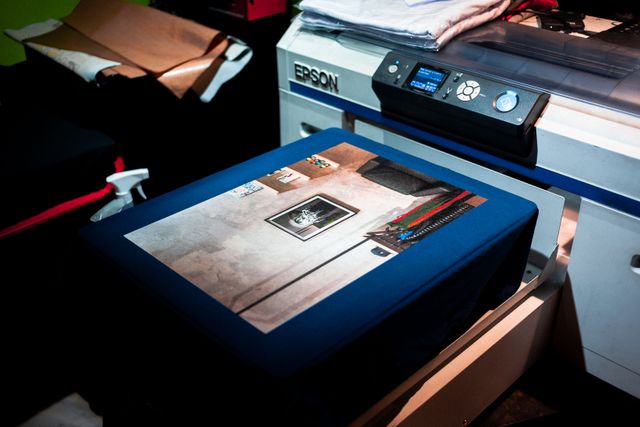
    Retail environments that support custom shirt printing often focus on creating interactive design stations. These areas allow customers to explore fonts, graphics, and layout options while visualizing how the final product will look.

    Design stations may include digital interfaces where customers can upload images, modify text, or experiment with color combinations. Staff members can guide customers through the process, offering suggestions about layout balance, fabric compatibility, or printing techniques.

    When customers see their design displayed on a digital preview, they gain confidence in the final result. This visualization step encourages purchases because shoppers can confirm that the design matches their expectations.

    Interactive design experiences also attract foot traffic. Passersby who see customers designing shirts inside the store may become curious about the process and step inside to explore their own ideas.

    Supporting Local Communities and Events

    Custom shirt printing businesses often become closely connected with local communities. Schools, sports teams, clubs, and nonprofit organizations frequently require custom apparel for events, fundraisers, or group activities.

    Retail stores that offer convenient in-store design services can position themselves as reliable partners for these organizations. Providing flexible design options, quick turnaround times, and the ability to handle both small and large orders makes the business valuable to local groups.

    Community connections also create repeat business opportunities. Teams may return each season for updated uniforms or fan merchandise, while organizations may reorder shirts for annual events.

    These ongoing relationships help retailers maintain steady demand while strengthening their presence within the local market.

    Expanding Retail Inventory with Custom Designs

    While many custom shirt printing businesses focus primarily on customer-designed products, there are also opportunities to create in-store retail collections. Unique graphic designs developed by the business can be printed on shirts and displayed alongside custom printing services.

    These ready-made designs appeal to shoppers who want distinctive apparel but prefer not to design their own shirts. Themes related to local culture, humor, sports, or regional pride often resonate strongly with customers.

    Displaying these designs within the store also demonstrates the quality of the printing process. Customers can examine fabric texture, print durability, and color vibrancy before committing to their own custom order.

    Retail collections complement custom services by generating additional sales while showcasing creative possibilities.

    Encouraging Impulse Purchases Through Fast Production

    One advantage of modern printing technology is the ability to produce shirts quickly, sometimes within minutes. This capability allows retailers to convert spontaneous customer interest into immediate sales.

    Shoppers who enter the store with a design idea can leave with a finished product during the same visit. This instant gratification enhances the retail experience and encourages impulse purchases.

    For example, a customer attending a nearby event might decide to create a custom shirt on the spot. If the printing process is fast and visible, watching the design come to life can be an exciting part of the purchase experience.

    Fast production also supports group orders for small events where participants want matching apparel without long waiting periods.

    Leveraging Social Sharing and Visual Appeal

    Custom shirt printing naturally lends itself to social sharing. Customers often enjoy showing off their personalized designs, especially when the design reflects humor, creativity, or cultural references.

    Retailers can take advantage of this behavior by creating visually appealing store environments where customers photograph their finished shirts. Design walls, creative displays, or branded photo areas encourage customers to capture and share their experience online.

    When customers share these images on social platforms, the store gains organic visibility. Friends and followers who see the designs may become interested in creating their own shirts.

    This type of social exposure can generate new visitors without traditional advertising.

    Creating a Destination for Creative Expression

    Retail stores that combine custom shirt printing with interactive design experiences often become creative hubs rather than ordinary apparel shops. Customers visit not only to purchase clothing but also to experiment with ideas and express personal creativity.

    Workshops, design contests, or collaborative events with local artists can further enhance this creative atmosphere. These activities attract customers who enjoy participating in the design process and exploring new artistic concepts.

    When a store becomes known as a place where creativity is encouraged, it attracts a diverse range of customers including artists, students, entrepreneurs, and hobbyists.

    This reputation helps sustain long-term retail demand while differentiating the business from traditional clothing stores.

    Turning Creativity into Retail Growth

    Custom shirt printing represents a unique intersection of fashion, creativity, and retail experience. By allowing customers to transform ideas into wearable products, retailers create an engaging shopping environment that encourages participation and personal expression.

    The combination of interactive design stations, fast production, and community engagement allows custom printing stores to generate consistent demand. Customers visit for special occasions, group events, or simply to create something unique.

    As personalization continues to shape consumer preferences, custom shirt printing businesses that embrace retail experiences will find new opportunities to attract customers and turn creative designs into lasting demand.

  • Retail Partnerships That Strengthen Supportive Childcare Programs for Modern Families

    Retail Partnerships That Strengthen Supportive Childcare Programs for Modern Families

    Modern families often balance demanding work schedules, school responsibilities, and daily household tasks. For parents, access to reliable childcare is one of the most important factors in maintaining stability and productivity. As family needs evolve, supportive childcare programs are expanding beyond traditional models to provide environments that nurture children while also helping parents manage busy lifestyles.

    Retail partnerships are becoming an increasingly valuable part of this evolution. When childcare providers collaborate with retail businesses, they can create service ecosystems that support families in practical and meaningful ways. These partnerships may involve shared spaces, educational programming, family-focused retail services, or convenient access to everyday necessities.

    By integrating childcare services with nearby retail offerings, communities can create environments where parents and children benefit from greater convenience, accessibility, and support.

    Understanding the Needs of Modern Families

    Today’s families often navigate complex schedules that include work, school activities, commuting, and household responsibilities. Parents frequently look for childcare programs that do more than simply supervise children. They want environments that encourage learning, creativity, and emotional development.

    At the same time, convenience plays an important role in childcare decisions. Families often prefer services located near workplaces, shopping centers, or community hubs where multiple daily needs can be addressed at once. The ability to combine errands, childcare drop-offs, and family activities in one area reduces stress and saves time.

    Retail partnerships help childcare programs respond to these needs by creating environments where services and resources are located close together. This approach allows families to complete daily routines more efficiently while ensuring that children receive high-quality care.

    Creating Family-Friendly Retail Environments

    Retail spaces that collaborate with childcare providers often evolve into family-friendly environments where parents feel comfortable spending time with their children. Stores located near childcare centers may offer products and services tailored to families, including educational toys, children’s clothing, books, and nutritious food options.

    These retail environments can also include play areas, reading corners, or interactive displays designed to engage young visitors. Such features encourage families to explore the space while making routine shopping experiences more enjoyable for children.

    When retail spaces recognize the needs of families, they contribute to a welcoming atmosphere that complements nearby childcare programs. Parents appreciate locations where errands and childcare needs can be managed within the same area.

    This convenience encourages repeat visits and strengthens the relationship between families and the businesses serving them.

    Supporting Child Development Through Educational Retail

    Retail partnerships can also support early childhood development by offering educational experiences that extend beyond the childcare classroom. Stores that focus on books, creative materials, or learning tools can collaborate with childcare programs to introduce products that reinforce educational themes.

    For example, childcare centers may coordinate with nearby retailers to recommend books related to classroom activities or provide art supplies that children can use at home. Retail workshops or storytelling sessions can also complement the learning environment created within childcare programs.

    These collaborations create continuity between learning experiences at childcare centers and family time at home. Parents gain access to resources that help them support their child’s development, while retailers build meaningful connections with local families.

    Educational partnerships benefit both businesses and communities by encouraging curiosity and lifelong learning.

    Providing Convenience for Busy Parents

    One of the most practical benefits of retail partnerships is the convenience they offer to parents managing busy schedules. Childcare programs located near retail centers allow parents to complete everyday errands without traveling to multiple locations.

    For example, a parent dropping off a child at a childcare center within a retail complex may also have access to grocery stores, pharmacies, or service providers nearby. This proximity reduces the number of trips required during the day and helps families manage time more efficiently.

    Retailers benefit from this arrangement because families visiting childcare centers naturally become part of the customer base for nearby businesses. Parents may stop for quick purchases or return later with their children to explore family-friendly stores.

    Convenience becomes a shared advantage that supports both childcare programs and retail businesses.

    Encouraging Community Engagement

    Retail partnerships with childcare providers often contribute to stronger community connections. Events such as family days, seasonal celebrations, or educational workshops can bring families together in shared spaces that combine childcare and retail environments.

    These gatherings create opportunities for parents, children, and local businesses to interact in meaningful ways. Families can participate in activities while learning about services available within their community.

    Community-focused events also allow childcare providers to showcase their programs and educational philosophy. Parents considering childcare options may feel more comfortable exploring a program when they encounter it in a welcoming community setting.

    Retailers participating in these events benefit from increased visibility and stronger relationships with local families.

    Supporting Holistic Family Services

    Some retail partnerships extend beyond shopping experiences to include services that support family well-being. Retail centers located near childcare programs may offer health clinics, family counseling services, or fitness programs designed for parents and children.

    When families have access to these services within the same environment as childcare, they can address multiple aspects of family life more efficiently. Parents may schedule appointments or wellness activities while their children are safely engaged in educational programs.

    This integrated approach reflects a broader trend toward creating community hubs where families can access a variety of resources in one location.

    Holistic support strengthens the value of both childcare programs and retail environments.

    Building Long-Term Relationships with Families

    Childcare providers and retailers that collaborate effectively often develop long-term relationships with the families they serve. Parents who experience convenience, supportive services, and welcoming environments are more likely to remain loyal to the businesses that meet their needs.

    These relationships benefit children as well. Familiar environments where families regularly interact create a sense of stability and belonging. Children become comfortable with the spaces they visit and the people who support their daily routines.

    Retail partnerships reinforce these connections by providing families with consistent, positive experiences. Over time, these interactions strengthen the community network surrounding childcare programs.

    Strong relationships contribute to lasting trust and engagement.

    A Collaborative Approach to Family Support

    Retail partnerships represent an innovative approach to strengthening childcare programs and supporting modern families. By bringing together educational services, retail resources, and community engagement, these collaborations create environments where families can manage daily life more easily.

    Parents benefit from convenient access to childcare and essential services, while children experience supportive learning environments that extend into the broader community. Retail businesses gain loyal customers and meaningful connections with families who rely on their services.

    As communities continue to adapt to changing family needs, partnerships between childcare providers and retail businesses may become an increasingly important part of building supportive, family-centered environments.

  • Why Funny Custom Screen-Printed Shirts Thrive in Retail Stores and Gift Shops

    Why Funny Custom Screen-Printed Shirts Thrive in Retail Stores and Gift Shops

    Retail stores and gift shops often rely on products that capture attention quickly and create an emotional response from shoppers. Items that make people laugh, feel nostalgic, or instantly connect with a shared cultural moment tend to perform especially well in these environments. Funny custom screen-printed shirts fit perfectly into this category because they combine humor, creativity, and wearable expression in a product that customers can immediately relate to.

    Unlike many retail items that require careful comparison before purchase, humorous apparel often triggers spontaneous reactions. A shopper walking through a store may notice a shirt with a clever phrase or playful graphic and immediately feel compelled to pick it up. That instant connection can turn curiosity into a purchase within seconds.

    For retail stores and gift shops, this emotional response makes funny screen-printed shirts a reliable product category that consistently attracts attention and drives sales.

    Humor Creates Instant Emotional Connection

    One of the strongest reasons humorous shirts succeed in retail environments is the emotional reaction they create. Laughter is a powerful response that draws people in and encourages them to share the moment with others. When shoppers encounter a shirt with a witty message or unexpected joke, they often pause to read it, smile, and show it to friends or family members.

    This moment of shared humor increases the amount of time customers spend interacting with the product. Instead of quickly passing by a display, shoppers may browse several shirts looking for their favorite joke or the one that best reflects their personality.

    The emotional connection created through humor makes the product memorable. Even if a shopper does not purchase the shirt immediately, they are more likely to remember the store and return later.

    Retail environments benefit greatly from products that generate this kind of engagement.

    Funny Shirts Encourage Impulse Purchases

    Gift shops and retail stores frequently rely on impulse buying behavior. Many customers enter these stores without a specific purchase in mind, browsing shelves and displays until something catches their attention.

    Funny screen-printed shirts are especially effective at encouraging impulse purchases because they are easy to understand and emotionally engaging. When someone sees a joke that resonates with them, the decision to buy often happens quickly.

    The product does not require extensive evaluation or comparison with alternatives. The humor either connects with the customer or it does not. If it does, the purchase decision can feel immediate and effortless.

    This spontaneous buying behavior makes humorous apparel a valuable product category for stores that depend on quick retail decisions.

    Ideal Products for Gift Giving

    Gift shops succeed by offering items that customers can easily imagine giving to others. Funny shirts are particularly effective as gifts because humor can reflect shared experiences between friends, family members, or coworkers.

    Shoppers often purchase humorous apparel for birthdays, holidays, or casual surprises. A shirt with a joke related to hobbies, professions, or personality traits can feel highly personal even though it was purchased quickly in a retail setting.

    The wide range of humor styles also allows retailers to appeal to many different audiences. Some shirts feature lighthearted jokes, while others rely on clever wordplay or cultural references.

    Because humor is so diverse, retailers can stock a variety of designs that appeal to different types of shoppers.

    Visual Displays Attract Attention

    Funny shirts naturally lend themselves to eye-catching retail displays. The messages printed on the shirts act as visual headlines that shoppers can read from several feet away. When arranged properly, these designs can draw customers across the store toward the display.

    Retailers often hang shirts where the text or graphics remain clearly visible. When customers notice a design that stands out, they approach the display to read it more closely.

    This visual appeal makes humorous apparel an effective product for storefront windows or high-traffic areas inside a shop. Each shirt functions almost like a miniature advertisement that communicates its message instantly.

    Displays that invite shoppers to stop and read multiple designs increase engagement with the entire product section.

    Humor Reflects Identity and Personal Style

    Clothing often functions as a form of personal expression. Funny shirts allow people to communicate aspects of their personality, interests, or sense of humor without saying a word.

    Some customers enjoy wearing shirts that make others laugh, while others prefer subtle humor that reflects their personal style. Because humor is subjective, different designs appeal to different personalities.

    Retailers benefit from this variety because customers often browse multiple shirts until they find the one that feels most authentic to them. The process of searching for the “perfect” funny design keeps shoppers engaged with the display longer.

    When customers discover a shirt that perfectly reflects their sense of humor, the purchase feels meaningful rather than purely decorative.

    Easy Retail Inventory with Strong Margins

    From a retail perspective, funny screen-printed shirts offer practical advantages beyond customer appeal. Apparel is relatively easy to stock, display, and replenish compared with many other product categories.

    Shirts are lightweight, compact, and simple to organize by size or design. Retailers can rotate new humor themes or seasonal jokes throughout the year, keeping the product selection fresh and interesting.

    Because screen-printing allows designs to be produced efficiently, stores can maintain healthy profit margins while still offering products at accessible price points.

    This balance between affordability and profitability makes humorous apparel an attractive retail category for many shops.

    Social Sharing and Word-of-Mouth Promotion

    Humorous apparel naturally encourages conversation and social sharing. Customers often photograph funny shirts or show them to friends while browsing a store. This behavior extends the visibility of the product beyond the retail environment.

    When someone wears a humorous shirt in public, it may spark conversations with others who notice the joke. These interactions can lead people to ask where the shirt was purchased, generating organic word-of-mouth promotion for the store.

    Retailers benefit from this type of visibility because it introduces the brand to new customers through everyday social interactions.

    Products that encourage sharing and conversation often create lasting impressions for the business that sells them.

    A Retail Category Built on Personality and Entertainment

    Funny custom screen-printed shirts succeed in retail stores and gift shops because they combine entertainment with personal expression. The humor immediately captures attention, while the wearable format allows customers to carry that humor into their daily lives.

    Retailers benefit from the strong emotional reactions these products generate. Laughter draws customers into displays, encourages impulse purchases, and creates memorable shopping experiences.

    As long as people enjoy sharing humor and expressing personality through clothing, funny screen-printed shirts will continue to thrive as a retail category that blends creativity, conversation, and commerce.