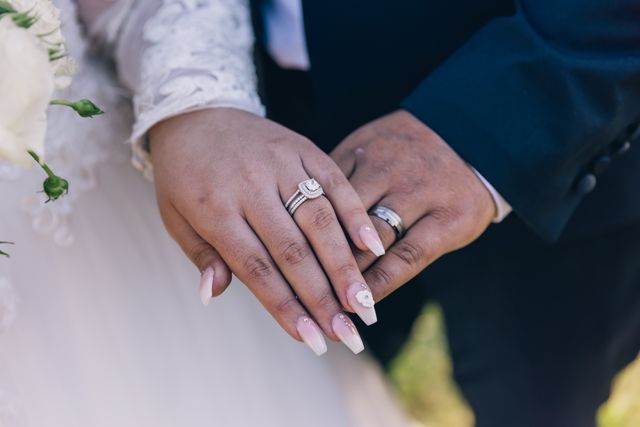
The wedding ring and diamond jewelry market has long been shaped by tradition, craftsmanship, and personal significance. While these qualities remain at the heart of the industry, modern retail trends are changing how consumers discover, evaluate, and purchase jewelry. Today’s buyers have access to more information, more shopping channels, and more choices than ever before, creating new opportunities and challenges for jewelry retailers.
From digital shopping experiences and personalization to shifting consumer expectations and evolving purchasing habits, retail trends are influencing nearly every stage of the customer journey. Businesses that understand these changes can better position themselves to meet customer needs while remaining competitive in a rapidly evolving marketplace.
As the retail landscape continues to transform, wedding ring and diamond jewelry retailers must balance timeless appeal with modern consumer expectations.
Consumers Are Spending More Time Researching Before Buying
Purchasing a wedding ring or diamond jewelry piece is often one of the most significant buying decisions a consumer will make. Because of the financial investment and emotional importance involved, shoppers tend to conduct extensive research before making a purchase.
Modern consumers compare styles, materials, pricing, craftsmanship, and customer reviews across multiple sources. Many begin their journey online long before visiting a showroom or speaking with a sales representative.
This shift has increased the importance of providing detailed product information and educational resources. Customers want to understand what they are purchasing and feel confident in their decisions. Retailers that offer clear explanations and transparent information often help reduce uncertainty and build trust throughout the buying process.
The research-driven nature of today’s consumers has made education a central component of successful jewelry retail strategies.
Digital Shopping Has Expanded Customer Expectations
The growth of e-commerce has influenced virtually every retail category, including wedding rings and diamond jewelry. While many consumers still appreciate the experience of viewing jewelry in person, digital channels now play a major role in product discovery and evaluation.
Shoppers expect convenient access to product information, images, pricing details, and customer support regardless of when or where they are browsing. Many customers begin exploring options online before narrowing their selections and moving closer to a purchase.
This shift does not necessarily replace physical retail experiences. Instead, it creates a more connected customer journey where digital and in-store interactions work together. Consumers may research online, visit a store for consultation, and then complete a purchase through whichever channel feels most convenient.
Retailers that create seamless experiences across multiple touchpoints are often better equipped to meet evolving customer expectations.
Personalization Is Becoming Increasingly Important
One of the most influential retail trends affecting the wedding ring and diamond jewelry market is the growing demand for personalization.
Modern consumers often seek products that reflect their individual preferences, styles, and personal stories. Wedding rings and diamond jewelry naturally lend themselves to customization because these purchases frequently carry deep emotional significance.
Customers increasingly value the ability to explore different design options, materials, settings, and unique details that help create a more meaningful final product. Personalization allows buyers to feel more connected to their purchases while creating a sense of exclusivity.
Retailers that support personalized experiences often strengthen customer engagement and differentiate themselves in competitive markets.
Transparency Has Become a Competitive Advantage
Trust plays a major role in jewelry purchasing decisions. Customers want confidence in the quality, value, and authenticity of their purchases.
Retail trends show that consumers increasingly expect transparency regarding product details, pricing structures, sourcing practices, and craftsmanship. Buyers are more likely to ask questions and seek information before making commitments.
Providing accurate and transparent information helps build credibility and reduces uncertainty during the decision-making process. Consumers appreciate businesses that communicate openly and help them make informed choices without unnecessary pressure.
As access to information continues to expand, transparency has become an important factor influencing customer trust and long-term loyalty.
Social Media Continues to Shape Product Discovery
Social media platforms have become powerful tools for inspiration and product discovery within the wedding ring and diamond jewelry market.
Many consumers encounter new styles, design ideas, and trends through social content before they begin actively shopping. Engagement announcements, wedding planning content, customer stories, and jewelry showcases often influence consumer preferences and purchasing decisions.
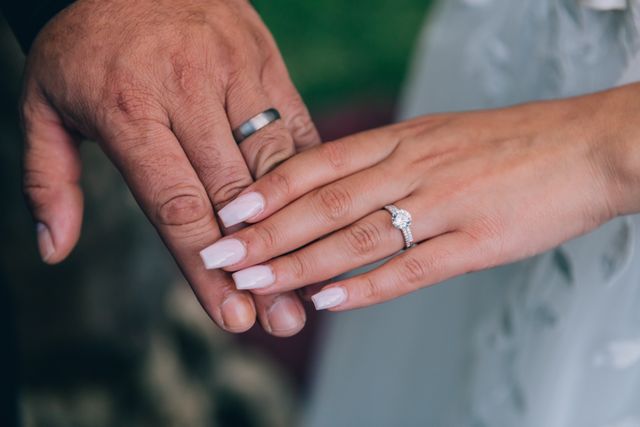
Unlike traditional advertising, social platforms allow customers to see products in real-world contexts and gather opinions from other consumers. This visibility can help buyers feel more confident as they explore different options.
For retailers, maintaining an active and authentic digital presence helps increase visibility while creating opportunities to engage with potential customers throughout the buying journey.
Changing Consumer Preferences Are Expanding Product Variety
Consumer tastes continue to evolve, creating demand for greater variety within the wedding ring and diamond jewelry market.
While classic designs remain popular, many shoppers are also interested in unique styles that reflect their personalities and preferences. Retailers increasingly offer broader selections to accommodate diverse tastes and purchasing motivations.
This trend has encouraged businesses to expand product assortments and provide options that appeal to different demographics, lifestyles, and aesthetic preferences.
Offering variety helps retailers serve a wider audience while allowing customers to find products that align more closely with their individual vision and expectations.
Customer Experience Is Influencing Purchase Decisions
Product quality remains essential, but customer experience has become an increasingly important differentiator in retail.
Consumers expect professional guidance, responsive communication, and a comfortable purchasing environment throughout the buying process. Wedding ring and diamond jewelry purchases often involve emotional considerations, making personalized support especially valuable.
Customers want to feel informed rather than pressured. They appreciate businesses that take time to answer questions, explain options, and provide assistance tailored to their needs.
A positive customer experience can influence purchasing decisions just as strongly as product selection or pricing. Retailers that prioritize service often generate stronger customer satisfaction and higher referral rates.
Inventory Management Is Supporting Retail Agility
Retail trends and changing consumer preferences can create fluctuations in demand across different jewelry categories. Effective inventory management has therefore become increasingly important for maintaining product availability while controlling costs.
Retailers must balance having enough inventory to meet customer expectations without overcommitting resources to products that may move more slowly. Strong inventory practices help businesses respond more effectively to market shifts and emerging trends.
Improved inventory visibility also supports better customer experiences by reducing the likelihood of stock shortages and fulfillment delays.
As the jewelry market becomes more dynamic, operational efficiency plays a growing role in overall competitiveness.
Online Reviews and Reputation Carry Significant Influence
Consumers often rely on reviews and testimonials when evaluating jewelry retailers. Before making major purchases, many buyers seek reassurance from previous customers who have already completed similar transactions.
Positive reviews help establish credibility and provide insight into product quality, customer service, and overall shopping experiences. A strong reputation can encourage prospective customers to move forward with greater confidence.
Because wedding ring and diamond jewelry purchases are often highly personal and financially significant, trust becomes especially important. Retailers that consistently deliver positive experiences are more likely to earn favorable reviews and long-term customer loyalty.
Managing reputation effectively has become a critical aspect of modern retail success.
The Future of Wedding Ring and Diamond Jewelry Retail
The wedding ring and diamond jewelry market continues to evolve as consumer expectations, technology, and retail practices change. While the emotional significance of these purchases remains constant, the way customers research, evaluate, and buy jewelry is becoming increasingly sophisticated.
Retailers that embrace personalization, transparency, customer education, and seamless shopping experiences are often better positioned to succeed in this changing environment. At the same time, maintaining trust, craftsmanship, and exceptional service remains essential for long-term growth.
As retail trends continue to shape the industry, successful jewelry businesses will likely be those that combine traditional values with modern customer expectations. By understanding how consumer behavior is evolving and adapting accordingly, retailers can strengthen relationships, improve customer experiences, and remain competitive in an increasingly dynamic marketplace.
Leave a Reply