Blog

  • From Parking Lots to Storefronts: Where Asphalt Paving and Maintenance Meets Retail Strategy

    From Parking Lots to Storefronts: Where Asphalt Paving and Maintenance Meets Retail Strategy

    Retail strategy usually gets discussed in terms of merchandising, customer experience, pricing, layout, and digital convenience. What gets ignored far too often is the physical surface that customers interact with before they ever step inside. In many retail environments, the first real point of contact is not the front door, the signage, or even the display window. It is the parking lot, the drive lane, the sidewalk connection, and the overall condition of the paved space surrounding the property.

    That is where asphalt paving and maintenance become more than a facilities issue. They become part of retail strategy. A worn, cracked, poorly marked, or uneven surface can quietly work against the entire business. It can create friction before a shopper ever reaches the entrance. On the other hand, a clean, well-maintained, clearly organized paved area can support convenience, safety, traffic flow, and brand perception in ways that directly affect how a location performs.

    For retailers, the outside environment is not separate from the shopping experience. It is the beginning of it. And for property owners, operators, and businesses trying to attract repeat traffic, asphalt paving and maintenance should be seen as a practical business tool rather than a background repair category.

    The customer journey starts before the customer enters the building

    A lot of retail decision-making focuses on what happens once people are inside. That matters, of course, but it misses an important truth. By the time a customer steps into a store, they have already formed impressions about convenience, quality, safety, and overall trustworthiness. Those impressions often begin the moment they turn into the property.

    Think about what a customer notices without consciously analyzing it. They notice whether the entrance is easy to access. They notice whether the parking feels chaotic. They notice faded striping, potholes, standing water, rough patches, loose gravel, broken curbs, or unclear pedestrian paths. They notice whether the property feels neglected or organized. None of this requires them to stop and evaluate it in a formal way. It just shapes the experience.

    This matters even more in retail because retail is highly sensitive to friction. A customer who feels mildly inconvenienced may still continue with an appointment-based business or essential service. A retail customer often has more options and less patience. If the site feels difficult, confusing, or poorly maintained, that small frustration can affect visit frequency, time spent on-site, and even whether they return.

    Good retail strategy tries to reduce friction at every stage. Asphalt maintenance supports that goal in a very literal way. It helps create a smoother arrival, a clearer layout, and a more welcoming entry point.

    First impressions are operational, not just visual

    It is easy to think of asphalt work as purely cosmetic when discussing customer-facing businesses. That view is too narrow. Surface condition does affect aesthetics, but the real value goes deeper. It influences how the site functions.

    A freshly paved or well-maintained retail lot does more than look better. It helps guide vehicles more efficiently. It supports clear parking patterns. It makes directional markings easier to follow. It improves accessibility when spaces and pathways are properly maintained. It reduces avoidable hazards that can create complaints or liability concerns. In other words, it improves the operational quality of the site.

    For retail businesses, appearance and operations are closely connected. A property that looks clean and orderly often feels easier to use. A property that looks neglected often feels harder to navigate, even when the issues seem minor. This is why paving and maintenance should not be treated as isolated maintenance line items with no strategic value. They influence how customers move, what they feel, and how professionally the business is perceived.

    A store can invest in interior upgrades, staffing, displays, and promotions, but if the approach to the building feels messy or deteriorated, the customer experience starts with a contradiction. The outside says one thing while the inside tries to say another.

    Parking lot design supports retail behavior more than many businesses realize

    Retail strategy is partly about understanding behavior. How do customers approach the site. Where do they pause. What makes entry feel easy. What slows them down. What makes a quick stop feel worth it. Asphalt paving and layout decisions play into all of these questions.

    The parking lot is not just a place to leave vehicles. It is a movement system. It shapes how people arrive, how close they can get, how safely they can walk, how quickly they can exit, and how intuitive the whole visit feels. When paving is paired with smart striping, lane organization, and maintenance planning, it becomes part of the site’s usability.

    This is especially important for retail locations that depend on convenience. In those environments, time and simplicity matter. Customers often choose where to stop based not only on product selection or location, but also on whether the visit feels easy. Poor traffic flow, awkward entrances, difficult turns, limited visible organization, or damaged pavement can all make a retail site feel like more effort than it is worth.

    A strong retail property supports easy entry and easy exit. It makes parking feel predictable. It reduces the sense of clutter and confusion. Well-maintained asphalt helps hold that system together. It provides the physical foundation for the experience the retailer wants to create.

    Maintenance is often more strategic than replacement

    Many businesses delay asphalt care because they think in extremes. Either the lot is fine, or it needs a full overhaul. That mindset causes unnecessary deterioration and bigger costs later. In reality, retail-facing properties benefit most from consistent maintenance that protects appearance and function before problems become severe.

    Crack sealing, sealcoating, patching, restriping, drainage correction, and surface monitoring all help extend the life of the pavement while keeping the property presentable. More importantly, these actions preserve the customer experience. Small failures in pavement quickly become visible signs of neglect. They also tend to multiply. A crack becomes a larger break. Water intrusion worsens the damage. Faded markings reduce clarity. Isolated rough areas turn into broader surface issues.

    From a retail strategy perspective, waiting too long creates two problems at once. First, the site becomes less appealing and less efficient. Second, the business may eventually need more disruptive and expensive work. Regular maintenance helps avoid both outcomes.

    This approach aligns with how strong retail operations manage the rest of the business. Smart retailers do not wait for major breakdowns in every other area. They monitor performance, make targeted improvements, and protect the customer experience before problems grow. Asphalt should be approached the same way.

    The paved environment affects brand perception even when no one says it out loud

    Most customers will never tell a retailer, “I did not like your pavement condition.” That is not how people usually describe their reactions. Instead, they use broader language. They may say the place felt old, inconvenient, poorly managed, hard to access, or less appealing than alternatives. The paved environment contributes to those impressions.

    Brand perception is built through repeated signals. Some are obvious, like signage and product presentation. Others are subtle, like cleanliness, maintenance standards, and ease of use. Exterior pavement falls into that second category. It communicates whether the business pays attention to details. It signals whether the property is being actively managed. It can either reinforce a quality-oriented brand or weaken it.

    This is particularly relevant in competitive retail corridors where multiple businesses may offer similar products or services. In those settings, visual confidence and ease of access matter. A store that feels polished from the curb to the checkout has an advantage over one that only invests in the interior. Customers may not consciously compare pavement condition across properties, but they absolutely respond to the overall feeling that condition creates.

    That makes asphalt maintenance part of customer-facing brand consistency. It is not glamorous, but it is visible. And in retail, visible details have value.

    Safety and accessibility are not side concerns in retail settings

    Retail spaces serve a wide range of people. Some are in a hurry. Some are carrying bags or pushing carts. Some are older adults. Some are families with children. Some rely on accessible parking and smooth path connections. In that context, pavement condition becomes a direct part of usability.

    Cracks, uneven areas, poor drainage, broken edges, faded markings, and neglected walk zones can make a property more difficult to use safely. Even when those issues do not seem dramatic, they create avoidable barriers. For a retail business, that can mean a worse experience, a shorter visit, negative impressions, or increased risk.

    Accessibility is also closely tied to perception. A property that appears easy to use feels more welcoming. A property that creates uncertainty at arrival feels less inclusive. Retail strategy often talks about serving customers better, but that idea has to include the physical experience of reaching the entrance and moving through the site.

    Maintained asphalt helps support that goal in a practical way. It contributes to smoother walking surfaces, clearer parking design, more visible markings, and better overall confidence in the site. Retailers who care about customer experience should care about this part of the experience too.

    Weather, wear, and traffic make retail paving a business priority

    Retail properties experience a different pattern of pavement stress than many other sites. High turnover, frequent braking, turning movements, delivery traffic, seasonal weather exposure, and constant daily use all contribute to wear. Because the surface is always visible and constantly used, deterioration becomes both a structural issue and a customer-facing issue.

    The combination of use and exposure means retail paving should never be managed passively. Small defects tend to become visible quickly, and visible defects tend to matter more in spaces where public perception plays a major role. A back-of-house industrial area may tolerate rougher conditions longer without affecting customer judgment. A retail frontage usually cannot.

    This is why proactive planning matters. Businesses that view asphalt care as a long-term operational priority are better positioned to maintain curb appeal, reduce disruptions, and manage budgets more effectively. The point is not to chase perfection. The point is to avoid the slow, familiar decline that turns an otherwise successful retail property into one that looks tired before its time.

    Retail performance is shaped by many factors, but site condition is one of the few that influences nearly every visitor before a transaction even begins.

    Asphalt strategy should align with broader property strategy

    Retail businesses often separate physical maintenance from business planning. One team thinks about sales, leasing, customer flow, and promotions. Another thinks about repairs, upkeep, and vendors. In practice, those worlds overlap much more than they are often allowed to.

    If a retailer is investing in a stronger storefront experience, updated signage, tenant attraction, better pickup flow, or improved curb appeal, the condition of the asphalt should be part of the conversation. If a shopping area wants to feel more convenient, more modern, or more organized, pavement quality and layout clarity will influence whether that goal is actually felt by customers.

    This does not mean every retail site needs a major paving project. It means paving decisions should be tied to how the property wants to function and be perceived. A location trying to improve quick-stop convenience should care about entry flow, striping clarity, and surface quality. A property trying to elevate image should care about visual consistency from the lot to the storefront. A site trying to reduce complaints should care about safety, drainage, and accessibility.

    When asphalt is treated as part of the property strategy, spending becomes easier to justify because it is tied to outcomes that matter. The conversation shifts from “Do we have to fix this” to “What kind of retail experience are we trying to support.”

    From the curb to the checkout, consistency matters

    Retail works best when the experience feels coherent. Customers should not feel a disconnect between what the business promises and what the physical environment delivers. If the marketing says convenient, the arrival should be convenient. If the brand says polished, the site should feel maintained. If the business wants repeat traffic, the visit should start smoothly.

    That is why asphalt paving and maintenance deserve a larger role in how retail businesses think. These services are not just about patching damage or extending surface life. They help shape the first impression, protect usability, support safe access, and reinforce the overall standard of the property.

    From parking lots to storefronts, the retail experience begins on the ground. Businesses that understand that are better positioned to create spaces that feel easier, stronger, and more trustworthy from the very first moment a customer arrives.

  • What Direct Primary Care Can Learn from Retail About Convenience, Loyalty, and Patient Experience

    What Direct Primary Care Can Learn from Retail About Convenience, Loyalty, and Patient Experience

    Direct primary care has already challenged many of the assumptions people have about healthcare. It removes layers of billing complexity, creates a more direct relationship between patient and physician, and often promises a more personal kind of care. That alone makes it appealing. But being different from traditional healthcare is not the same as being truly easy, memorable, and loyalty-building for patients.

    This is where retail offers useful lessons. Retail has spent decades learning how people make decisions, what keeps them coming back, and what small details shape whether an experience feels frustrating or effortless. The best retail environments do not only sell products. They reduce friction. They build trust through consistency. They make people feel recognized. They create systems that support convenience without making the experience feel cold or automated.

    Direct primary care can benefit from this mindset. Patients may come for accessibility and pricing clarity, but they stay because the entire experience feels manageable, respectful, and human. In that sense, direct primary care and retail are closer than they may first appear. Both rely on trust. Both depend on repeat engagement. Both are judged not only on the core offering, but on how easy it feels to interact with the business before, during, and after the main service.

    Convenience Is Not a Bonus Feature but a Core Expectation

    One of retail’s biggest lessons is that convenience is not something people notice only when it is present. They feel it most strongly when it is missing. A confusing process, a delayed response, or an unnecessary step can change how someone views the entire experience, even if the main service itself is strong. Direct primary care practices can take this seriously because healthcare decisions are often emotionally charged and time sensitive. A patient who feels friction at the wrong moment may not simply feel annoyed. They may feel unsupported.

    In retail, convenience often means clear options, simple access, short wait times, and less effort for the customer. In direct primary care, that translates into practical details that matter more than many practices realize. How easy is it to book an appointment. How quickly can a patient get a response to a question. How simple is it to understand membership terms. How much back and forth is required for routine needs. People remember the burden of a process just as much as they remember the quality of a conversation.

    Convenience also means meeting people where they are. Retail has learned that customers do not want to adapt themselves to rigid systems if better alternatives exist. Direct primary care can absorb that lesson by designing patient interactions around real life rather than around internal preferences. Patients are managing work, family responsibilities, transportation issues, school schedules, and stress. They are not comparing their experience only to other medical offices. They are comparing it to every modern service they use that respects their time.

    That comparison matters. A patient may love their physician but still feel worn down by awkward intake steps, unclear communication windows, or avoidable delays. A practice that wants long term loyalty has to understand that convenience is part of care. It is not separate from the clinical relationship. It supports the relationship by making access feel dependable and low stress.

    Retail Understands That the Journey Starts Before the Main Interaction

    A person’s opinion of a retail business often forms before they ever walk into a store or complete a purchase. They evaluate the website, the clarity of information, the tone of communication, and how easy it is to understand what happens next. Direct primary care can learn a great deal from this because patients often begin forming trust well before the first appointment.

    If a practice presents itself in a way that feels confusing, vague, or hard to navigate, people may assume the experience itself will be the same. On the other hand, when the first touchpoints are clear and reassuring, patients start with more confidence. Retail knows that uncertainty kills momentum. Direct primary care should apply the same principle by reducing ambiguity early.

    That means making the membership model easy to grasp without forcing prospective patients to decode complicated wording. It means setting expectations around communication, scheduling, availability, and the scope of care in language that feels transparent rather than defensive. It means helping people understand not just what they pay, but what they can expect to feel like as members of the practice.

    Patient experience does not begin in the exam room. It begins when someone first hears about the practice, reads about it, sends a message, or tries to decide whether switching care models is worth the effort. Retail businesses that understand conversion do not leave that stage to chance. Direct primary care practices should not either.

    Loyalty Is Built Through Consistency More Than Charm

    Many businesses assume loyalty comes from a great moment, a memorable interaction, or a strong personality. Those things help, but retail shows that loyalty is usually built more quietly. It grows through repeated experiences that confirm the customer made the right choice. A smooth transaction one time is nice. A reliable experience every time is what builds trust.

    This is especially important in direct primary care, where loyalty is not only emotional but relational. Patients are not making a one time purchase. They are choosing an ongoing care relationship. If that relationship feels strong one month and disorganized the next, confidence starts to erode. Consistency is what turns satisfaction into retention.

    Consistency can show up in many forms. Patients should know what kind of response time to expect. They should feel that communication is thoughtful and steady rather than dependent on whoever happens to be available. They should encounter the same tone of clarity whether they are asking about a simple refill, scheduling a visit, or raising a more sensitive concern. Retail brands that keep customers loyal are usually very good at making their experience feel familiar in a positive way. People know what they are going to get, and that certainty reduces mental effort.

    For direct primary care, this does not mean becoming scripted or impersonal. It means building dependable systems that support a consistently good human experience. Patients should feel that the practice is stable, organized, and attentive. In healthcare, that kind of consistency is not just pleasant. It is reassuring.

    Patient Experience Is Shaped by Emotion as Much as Efficiency

    Retail has learned that people rarely evaluate an experience on logic alone. They remember how the process made them feel. Did it feel simple. Did it feel respectful. Did it feel like the business anticipated their needs. Did it feel like someone cared enough to remove obvious obstacles. Direct primary care can benefit from thinking in these terms because healthcare is deeply emotional even when the issue is routine.

    A patient might technically receive everything they need, yet still walk away feeling rushed, uncertain, or unimportant. That gap matters. Good patient experience is not only about access and outcomes. It is also about emotional tone. Retail often wins loyalty by making people feel understood without forcing them to ask for every small accommodation. Direct primary care can do the same by creating a care environment that feels calm, responsive, and intentional.

    This may include small but powerful choices. Clear follow up communication reduces anxiety. Easy next steps reduce hesitation. A thoughtful explanation builds confidence. A respectful tone makes people feel safe asking questions they might otherwise hold back. None of these are dramatic innovations. That is exactly the point. Retail success often comes from mastering ordinary moments. Direct primary care should treat those ordinary moments as part of its value, not as background details.

    When patient experience is strong, trust grows faster. Patients are more likely to stay engaged, communicate early, and view the practice as a dependable part of their life rather than just a place they contact when something goes wrong. That shift is where long term loyalty begins.

    Personalization Should Feel Helpful, Not Performative

    Retail has spent years trying to personalize the customer experience. Sometimes it works. Sometimes it feels forced. The difference usually comes down to relevance. People appreciate personalization when it solves a problem, saves time, or makes the experience feel more natural. They dislike it when it feels shallow or overly engineered.

    Direct primary care already has a natural advantage here because the care model supports stronger relationships and more continuity. But that advantage only matters if the patient actually feels the difference. Knowing a patient’s history is valuable. Remembering their preferences, concerns, and communication style is even more powerful. It sends a message that the relationship is real.

    Personalization in direct primary care does not need to be flashy. In fact, it should not be. It should show up in ways that make care easier and more appropriate. A patient should not feel like they need to repeat the same context over and over. They should not feel treated like a generic case moving through a standard pipeline. The strongest retail experiences feel tailored without making a show of it. That is a smart model for primary care as well.

    This also ties into loyalty. People remain loyal to businesses that make them feel known. In healthcare, that feeling carries even more weight. It supports trust, honesty, and a stronger willingness to stay connected over time. Personalization is not only about delight. It is about reducing distance between the patient and the practice.

    Clear Communication Creates Confidence

    Retail businesses that perform well usually understand that confusion is expensive. When customers do not understand pricing, timing, policies, or next steps, frustration builds quickly. In direct primary care, unclear communication can be even more damaging because health decisions involve more risk, more emotion, and more uncertainty.

    Practices that communicate clearly create a calmer experience for patients. That starts with the basics. Patients should know how the model works, what to expect from membership, how to get help, and what happens when they reach out. But it should also go deeper than that. Clear communication should be part of every interaction, not just the initial explanation.

    When patients ask questions, the answer should feel direct and understandable. When something is outside the practice’s scope, that should be explained with care and practical guidance rather than vague language. When the next step matters, it should be obvious. Retail understands that confidence often comes from removing uncertainty. Direct primary care should see communication in the same way.

    A confident patient experience is not created only by excellent care decisions. It is also created by clarity. Patients who understand what is happening tend to feel more in control, more supported, and more likely to continue the relationship.

    The Best Experiences Make Returning Feel Natural

    One of retail’s smartest strategies is making the next interaction feel easy. Whether that means a simple reorder, a familiar interface, or a natural follow up, the goal is the same. Reduce the effort required to return. Direct primary care can learn from this because continuity is one of its strongest advantages, but continuity does not maintain itself automatically.

    Patients are more likely to stay engaged when returning feels easy rather than disruptive. That can mean simple scheduling, low friction communication, and thoughtful follow ups that feel useful rather than intrusive. It can also mean creating a care rhythm where patients do not disappear for long periods because reconnecting feels like a hassle.

    This matters for both business strength and patient outcomes. A care model becomes more valuable when people actually use it in a steady, confident way. Retail has long understood that loyalty is easier to maintain when the path back is obvious. Direct primary care practices should design with that same mindset.

    Patients should never feel like staying connected takes unnecessary effort. The more natural the relationship feels, the more likely it is to endure.

    Direct Primary Care Can Compete by Being Easier, Warmer, and More Reliable

    The lesson from retail is not that healthcare should act like shopping. It is that people respond to experiences that respect their time, reduce friction, and make them feel valued. Direct primary care is already well positioned to do this because the model supports closer relationships and fewer barriers than traditional systems. But those strengths need to be expressed through the full patient experience, not just through the payment structure.

    Convenience, loyalty, and patient experience are not separate ideas. They reinforce each other. When a practice is easier to access, patients feel less stress. When the experience is consistent, trust grows. When communication is clear and personalization feels genuine, loyalty becomes more natural. These are the same forces that have shaped successful retail environments for years.

    Direct primary care does not need to imitate retail language or style to benefit from retail thinking. It simply needs to recognize that patients judge the whole experience, not only the medical care itself. They remember how easy it was to reach out, how supported they felt, and whether the relationship seemed dependable over time.

    That is where the real opportunity lies. The practices that stand out will not only be clinically strong. They will be the ones that make care feel easier to start, easier to continue, and easier to trust.

  • Why Retail-Level Consistency Is Becoming the Growth Edge for Cleaning Service Franchises

    Why Retail-Level Consistency Is Becoming the Growth Edge for Cleaning Service Franchises

    Cleaning service franchises do not lose customers because they cannot clean. They lose customers because the experience around the cleaning feels unpredictable. One visit is excellent. The next feels rushed. Communication is clear one week and vague the next. That inconsistency creates doubt, and doubt is what pushes customers to look elsewhere.

    Retail figured this out long ago. The most successful retail businesses are not necessarily the ones with the best products. They are the ones that deliver a consistent experience every single time. Customers know what to expect, and that certainty becomes a reason to return. Cleaning service franchises are now facing the same reality. As competition increases and customer expectations rise, consistency is no longer a nice-to-have. It is becoming the main differentiator.

    Customers Are Comparing You to Retail, Not Just Other Cleaning Companies

    Most cleaning service businesses still think they are competing only with other local providers. That is no longer true. Customers compare every service they use against the best experiences they have anywhere. That includes retail. When someone can order, schedule, and receive updates seamlessly in other parts of their life, they start expecting the same clarity and ease from home services.

    This shift changes how cleaning services are evaluated. It is not just about how well the job is done. It is about how easy it is to book, how clearly expectations are set, how reliable the timing is, and how smoothly any issues are handled. Retail has trained customers to expect a predictable journey. When cleaning services fail to meet that expectation, the gap feels larger than it actually is.

    Franchises that understand this shift gain an advantage. They stop thinking in terms of isolated jobs and start thinking in terms of customer journeys. Every interaction, from the first inquiry to post-service follow-up, becomes part of a system designed to feel stable and repeatable.

    Consistency Builds Trust Faster Than Occasional Excellence

    A single great experience can impress a customer, but it does not guarantee loyalty. What builds trust is repetition. When customers receive the same level of service, communication, and reliability over time, they stop second-guessing their choice. That confidence is what keeps them from exploring alternatives.

    Retail has mastered this principle. Customers return because they know what they are going to get. Cleaning service franchises can apply the same logic by focusing less on one-time standout moments and more on making every visit feel reliably good. That does not mean every job has to be identical, but it does mean the standard should not fluctuate.

    Inconsistent service creates mental friction. Customers start wondering whether they need to supervise, remind, or double-check. That uncertainty weakens the relationship. Consistency removes that burden. It allows customers to trust the process without needing to manage it.

    Standardization Is What Makes Scaling Possible

    Franchises are designed to scale, but scale only works when the experience can be replicated. Retail understands this deeply. The reason large retail operations can expand across locations is because they build systems that deliver a consistent outcome regardless of who is executing them.

    Cleaning service franchises face a similar challenge. Different teams, different locations, and different schedules can easily lead to variation. Without strong systems, that variation becomes visible to customers. Standardization is what prevents that from happening.

    This does not mean removing all flexibility. It means defining what must always remain the same. Service quality benchmarks, communication style, arrival expectations, and issue resolution processes should feel consistent no matter where or when the service is delivered. Retail businesses invest heavily in these systems because they know consistency is what protects their brand as they grow.

    For cleaning franchises, standardization is not just an operational decision. It is a growth strategy. It allows the business to expand without weakening the customer experience.

    Communication Consistency Is as Important as Service Consistency

    Many cleaning service businesses focus heavily on the quality of the cleaning itself but overlook the role of communication. Retail shows that communication is a major part of the experience. Customers expect clear updates, timely responses, and a sense that the business is organized.

    In cleaning services, communication inconsistency can be just as damaging as service inconsistency. If a customer does not know when the team will arrive, whether a request was noted, or how to handle a change, frustration builds quickly. Even if the cleaning is done well, the overall experience feels unreliable.

    Franchises that adopt a retail mindset treat communication as a system, not an afterthought. Customers should receive consistent confirmations, reminders, and follow-ups. The tone should feel professional and predictable. When something changes, the customer should not have to chase information. They should be informed proactively.

    This level of communication reduces uncertainty and strengthens trust. It also signals that the business is well-managed, which influences how customers perceive value.

    The Role of Training in Delivering a Repeatable Experience

    Retail-level consistency does not happen by accident. It is the result of deliberate training and reinforcement. Employees are taught not only what to do but how to do it in a way that aligns with the brand’s standards. Cleaning service franchises need the same level of discipline.

    Training should go beyond technical skills. It should include how to interact with customers, how to handle special requests, how to communicate issues, and how to maintain consistency under different conditions. When teams understand the importance of these details, the experience becomes more uniform.

    Without structured training, each team develops its own style. That leads to variation, which customers notice. Retail avoids this by creating clear expectations and reinforcing them regularly. Cleaning franchises that invest in similar training systems can deliver a more predictable experience across all locations.

    Consistency Reduces Customer Effort

    One of the most overlooked benefits of consistency is that it reduces the effort required from the customer. Retail businesses design their experiences so that customers do not have to think too much. The process feels familiar, and familiarity makes it easier to engage.

    Cleaning service franchises can achieve the same effect. When customers know how scheduling works, what to expect during a visit, and how issues are handled, they do not need to re-learn the process each time. That ease becomes part of the value.

    Customer effort is a major factor in retention. Even if a service is good, high effort can push people away. If customers feel like they need to repeat instructions, follow up on details, or adjust to changing processes, they may start looking for alternatives that feel simpler.

    Consistency eliminates that friction. It creates a smoother experience that encourages long-term engagement.

    Handling Problems Consistently Builds Stronger Loyalty

    No service business is perfect. Mistakes happen. What separates strong brands from weak ones is how those mistakes are handled. Retail has shown that consistent problem resolution can actually strengthen customer relationships.

    Cleaning service franchises can apply the same principle. When an issue arises, the response should follow a clear and reliable process. The customer should know that their concern will be acknowledged, addressed, and resolved in a predictable way.

    Inconsistent problem handling creates frustration. Some customers may receive quick solutions while others face delays or unclear responses. That variation damages trust. A consistent approach, on the other hand, reinforces the idea that the business is dependable even when things go wrong.

    Customers remember how problems are handled more than they remember the problem itself. This makes consistency in resolution a powerful tool for retention.

    Brand Strength Comes from Experience, Not Just Marketing

    Many cleaning service franchises invest in marketing to attract new customers, but growth depends on what happens after the first booking. Retail understands that brand strength is built through repeated experiences, not just initial impressions.

    If the experience feels inconsistent, marketing efforts lose their impact. Customers may try the service once but hesitate to return. On the other hand, a consistent experience turns first-time customers into long-term clients. It also increases referrals because people are more likely to recommend a service they trust.

    Franchises that focus on experience alongside marketing create a stronger foundation for growth. They are not relying on constant acquisition to sustain the business. Instead, they build a base of loyal customers who continue to engage over time.

    Consistency Is Becoming the New Competitive Advantage

    The cleaning service industry is becoming more crowded, and basic service quality is no longer enough to stand out. Most customers assume a certain level of cleaning will be delivered. What differentiates one franchise from another is how the entire experience feels.

    Retail-level consistency is emerging as the new competitive edge. It allows cleaning service franchises to position themselves as reliable, easy to work with, and professionally managed. These qualities matter just as much as the cleaning itself.

    Franchises that embrace this shift move beyond thinking of themselves as service providers. They start operating like experience-driven businesses. Every interaction is designed to reinforce trust and reduce friction. That approach not only improves retention but also makes growth more sustainable.

    The Franchises That Win Will Be the Ones That Feel Predictable in the Best Way

    Predictability is often misunderstood as boring. In reality, it is what creates comfort. Customers want to know that the service they rely on will not surprise them in negative ways. Retail has built entire empires on this idea.

    Cleaning service franchises that adopt this mindset will have a clear advantage. They will deliver experiences that feel stable, organized, and easy to navigate. Customers will not need to guess what will happen next. That clarity becomes a reason to stay.

    In a market where many businesses still operate with variation and inconsistency, predictability stands out. It signals professionalism and reliability. More importantly, it creates a sense of ease that customers value.

    As expectations continue to rise, consistency will not just support growth. It will define it.

  • What Tech Device Repair Services Can Borrow from Retail to Create a Smoother Customer Experience

    What Tech Device Repair Services Can Borrow from Retail to Create a Smoother Customer Experience

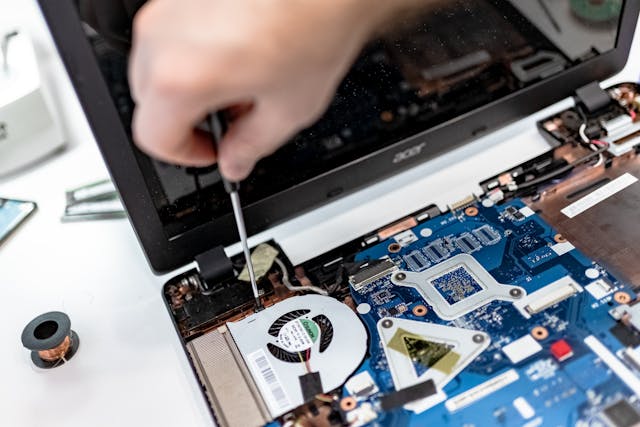
    Tech device repair services sit in a unique position. Customers usually arrive stressed, impatient, and uncertain. Their phone is not working, their laptop holds important files, or their device has suddenly become unreliable at the worst possible moment. In that state, people are not just evaluating technical skill. They are evaluating how easy the entire experience feels from the first interaction to the final handoff.

    Retail has spent years refining how to manage exactly this kind of situation. Customers walk in with a need, often with urgency, and expect clarity, speed, and confidence. The businesses that succeed are not just the ones with the best products. They are the ones that remove friction at every step. Tech repair services can apply these same principles to transform how customers perceive their service, even before the repair itself is complete.

    Clarity at the Start Reduces Anxiety Immediately

    Retail environments are designed to reduce confusion as early as possible. Customers know where to go, what to expect, and how to move forward. Tech repair services often overlook this stage, assuming that the repair itself will define the experience. In reality, the first few minutes matter just as much.

    When a customer reaches out or walks in, they are trying to answer simple but important questions. How long will this take. What will it cost. What happens next. If these questions are not addressed quickly, uncertainty builds. Even a highly skilled repair service can feel unreliable if the process is unclear.

    Retail teaches the importance of setting expectations early. Tech repair services can adopt this by explaining timelines, outlining the diagnostic process, and giving realistic ranges instead of vague answers. Customers do not need perfect precision. They need a sense of direction. That clarity lowers stress and makes the rest of the experience easier to accept.

    Making the Intake Process Feel Effortless

    In retail, the transition from browsing to buying is designed to feel smooth. There are no unnecessary steps or confusing requirements. Tech repair services often introduce friction at this stage without realizing it. Long forms, repeated questions, or unclear instructions can slow everything down.

    Customers already feel inconvenienced by a broken device. Adding more effort at the intake stage amplifies that frustration. Retail avoids this by simplifying the path forward. Tech repair services can do the same by streamlining how information is collected and making the process feel quick and guided.

    This does not mean skipping important details. It means collecting them in a way that feels natural. A well-structured intake process reduces delays later and creates a better first impression. When customers feel that the process is organized, they are more likely to trust the service itself.

    Visibility Builds Confidence During the Waiting Period

    One of the biggest differences between retail and repair services is the waiting period. In retail, customers often leave with their purchase immediately. In repair, they have to wait. That waiting period is where trust can either grow or weaken.

    Retail has addressed similar challenges through order tracking and status updates. Customers know where things stand, even if they are not physically present. Tech repair services can apply this by providing clear updates at key stages of the repair process.

    A customer who drops off a device and hears nothing for days may start to worry, even if everything is going well. A simple update that confirms progress or explains a delay can make a significant difference. It shows that the business is attentive and organized.

    Visibility does not require constant communication. It requires meaningful communication. Customers want to feel informed, not overwhelmed. When they know what is happening, they remain calm and confident in their decision.

    Consistency Across Interactions Strengthens Trust

    Retail success is built on consistency. Customers know what to expect every time they interact with a brand. Tech repair services often struggle with this because different staff members, locations, or situations can lead to variation.

    From the customer’s perspective, inconsistency feels like unpredictability. One person may provide clear information while another gives vague answers. One visit feels smooth while another feels disorganized. These differences create doubt.

    Tech repair services can learn from retail by standardizing key parts of the experience. Communication style, intake process, status updates, and final handoff should all feel consistent regardless of who is involved. This does not remove flexibility. It creates a reliable baseline.

    Consistency reduces mental effort for the customer. They do not need to adjust their expectations each time. That familiarity builds trust and makes the service feel more professional.

    Pricing Transparency Reduces Friction and Builds Credibility

    Retail has taught customers to expect pricing clarity. Even when costs vary, the structure is usually understandable. Tech repair services often face challenges here because repairs can involve unknown variables. However, lack of clarity creates hesitation.

    Customers are more comfortable moving forward when they understand how pricing works. This does not mean providing exact numbers in every situation. It means explaining the process in a way that feels fair and predictable.

    For example, outlining diagnostic steps, giving ranges, and explaining what might change the cost helps customers feel informed. Retail has shown that transparency builds credibility. When customers trust the pricing process, they are less likely to question the final result.

    Unclear pricing, on the other hand, creates tension. Even if the repair is done well, the experience may feel negative if the cost feels unexpected. Managing this expectation early makes the entire process smoother.

    Communication Should Feel Easy and Accessible

    Retail businesses have made communication simple. Customers can ask questions, get updates, and resolve issues without navigating complex systems. Tech repair services can improve their experience by adopting the same approach.

    Customers should not feel like reaching out is a task. If they have a question about their repair, they should be able to get an answer quickly and without confusion. This accessibility reduces anxiety and keeps the relationship active.

    It also encourages earlier communication. Customers are more likely to ask questions before frustration builds if the process feels easy. That prevents small concerns from turning into larger problems.

    Communication should be clear, direct, and respectful of the customer’s time. Retail has set this standard across industries. Tech repair services that meet it stand out immediately.

    The Final Handoff Is a Defining Moment

    In retail, the checkout experience is carefully designed because it is the last impression before the customer leaves. Tech repair services have an equivalent moment when the device is returned. This stage is often underestimated, but it plays a major role in how the experience is remembered.

    Customers want to understand what was done, what to expect moving forward, and whether there is anything they should be aware of. A rushed or unclear handoff can undo much of the positive experience built earlier.

    Taking the time to explain the repair, answer questions, and confirm that everything is working properly creates a sense of completion. It reinforces trust and leaves the customer feeling confident.

    Retail understands that the final interaction shapes future behavior. Tech repair services can use this moment to strengthen the relationship and increase the likelihood of repeat business.

    Handling Issues Consistently Builds Long-Term Loyalty

    No repair process is perfect. Issues can arise, whether it is a delay, an unexpected complication, or a customer concern after the service is completed. Retail has shown that how these situations are handled often matters more than the issue itself.

    Tech repair services can build stronger loyalty by creating a clear and consistent approach to problem resolution. Customers should feel that their concerns will be taken seriously and addressed in a predictable way.

    Inconsistent handling creates frustration. Some customers may receive quick solutions while others face delays or unclear responses. A structured approach ensures that every customer receives the same level of attention.

    When problems are handled well, customers often become more loyal than if no issue had occurred. This is a powerful opportunity that many businesses overlook.

    Designing the Experience, Not Just Delivering the Service

    Retail does not leave customer experience to chance. It is designed, tested, and refined over time. Tech repair services can benefit from adopting the same mindset. The repair itself is only one part of the experience. Everything around it shapes how the customer feels.

    This includes how inquiries are handled, how information is presented, how updates are delivered, and how the final interaction is managed. Each of these elements can either reduce or increase friction.

    When the experience is designed intentionally, it becomes easier to deliver consistently. Teams know what is expected, and customers know what to expect. That alignment creates a smoother journey from start to finish.

    The Services That Feel Easier Will Win

    As expectations continue to rise, customers are not just looking for technical expertise. They are looking for experiences that feel easy, clear, and reliable. Retail has already set this standard across industries.

    Tech device repair services that adopt these principles gain a clear advantage. They reduce stress for the customer, improve communication, and create a sense of professionalism that goes beyond the repair itself.

    The businesses that succeed will not only fix devices effectively. They will make the entire process feel effortless. That is what customers remember, and that is what keeps them coming back.

  • What Managed IT Support Can Learn from Retail About Responsiveness, Convenience, and Client Experience

    What Managed IT Support Can Learn from Retail About Responsiveness, Convenience, and Client Experience

    Managed IT support is no longer judged only on uptime, ticket resolution, or technical expertise. Those are expected. What clients notice now is how the service feels day to day. How quickly someone responds. How easy it is to get help. How predictable the experience is when something goes wrong. That shift is pushing managed IT providers closer to a retail-style expectation model, where responsiveness, convenience, and experience define loyalty just as much as the core service.

    Retail has spent decades refining how to remove friction, guide customers through decisions, and deliver consistent interactions at scale. Managed IT support can borrow heavily from these lessons. Not by copying retail tactics directly, but by adopting the mindset that every interaction shapes perception. Clients are not only buying support. They are buying peace of mind, and that is built through experience as much as performance.

    Responsiveness Is No Longer About Speed Alone

    In managed IT, responsiveness is often measured in response times and resolution metrics. While those are important, retail shows that responsiveness is also about how the response feels. A fast but unclear reply can still create frustration. A slightly slower response that is clear, confident, and actionable often feels better.

    Retail environments are designed to acknowledge the customer immediately, even if the final solution takes time. Managed IT support can apply this by ensuring that every request is quickly recognized and given direction. Clients should know that their issue has been seen, understood, and is being handled.

    This approach reduces uncertainty. When a client submits a request and hears nothing, even for a short period, doubt starts to build. Are they working on it. Did the message go through. Should they follow up. Retail eliminates this doubt with immediate acknowledgment. Managed IT providers can do the same.

    Responsiveness also includes clarity around next steps. Clients do not just want to know that someone is working on the issue. They want to know what will happen next and when they can expect progress. This transforms responsiveness from a metric into an experience.

    Convenience Is What Makes Support Feel Effortless

    Retail has taught customers to expect convenience in every interaction. They can find what they need, get help quickly, and move forward without unnecessary steps. Managed IT support often introduces friction through complex processes, multiple communication channels, or unclear workflows.

    Convenience in IT support means reducing the effort required to get help. Clients should not need to navigate complicated systems or guess how to submit a request. The path to support should feel obvious and easy.

    This includes simplifying how issues are reported, how updates are received, and how communication happens throughout the process. Retail businesses design their experiences so that customers do not have to think about the process itself. Managed IT support can aim for the same outcome.

    When convenience is high, clients engage more freely. They report issues earlier, ask questions more often, and feel more comfortable relying on the service. This improves both client satisfaction and overall system performance.

    Consistency Builds Confidence Across Every Interaction

    Retail success depends on consistency. Customers return because they know what to expect. Managed IT support can benefit from this principle because inconsistency creates uncertainty.

    If one support request is handled smoothly and another feels disorganized, clients start to question reliability. They may wonder whether the quality of support depends on who is available or what time they reach out. This perception weakens trust.

    Consistency does not mean every interaction is identical. It means the core experience remains stable. Communication should feel clear and professional every time. Response patterns should be predictable. Processes should work the same way across different situations.

    Retail achieves this through defined systems and training. Managed IT providers can do the same by standardizing key parts of their service. This creates a dependable experience that clients can rely on without hesitation.

    Visibility Reduces Friction During Ongoing Issues

    One of the most valuable lessons from retail is the importance of visibility. Customers want to know what is happening, even if the process is not complete. In managed IT support, this is especially important during ongoing issues or complex resolutions.

    Clients often become frustrated not because the issue takes time, but because they do not know what is happening during that time. Lack of updates creates uncertainty and leads to repeated follow-ups, which increases workload for both sides.

    Providing clear updates at meaningful points reduces this friction. Clients feel informed and in control, even if the resolution is still in progress. Retail uses tracking and status updates to manage expectations. Managed IT support can apply the same concept to ticket progress and issue resolution.

    Visibility also reinforces professionalism. It shows that the provider is organized and attentive, which strengthens the overall perception of the service.

    Communication Should Be Structured but Human

    Retail communication is structured enough to be consistent but flexible enough to feel personal. Managed IT support often leans too far in one direction. Either communication becomes overly technical and difficult to follow, or it becomes inconsistent and unclear.

    Clients do not need detailed technical explanations for every issue. They need clear, understandable information that helps them feel confident about what is happening. Retail has mastered this balance by focusing on clarity over complexity.

    Managed IT providers can improve communication by simplifying language, focusing on outcomes, and ensuring that every interaction feels respectful of the client’s time. At the same time, there should always be room for direct, human interaction when needed.

    This balance creates a communication style that is both efficient and approachable. Clients feel informed without feeling overwhelmed.

    Reducing Client Effort Improves Retention

    One of the strongest drivers of loyalty in retail is low customer effort. When it is easy to engage with a business, customers are more likely to stay. Managed IT support can apply this principle by minimizing the effort required from clients.

    Clients should not need to repeat information, chase updates, or navigate changing processes. The service should anticipate needs and provide solutions in a way that feels seamless. This reduces frustration and makes the relationship more sustainable.

    High effort experiences create hidden dissatisfaction. Even if issues are resolved, the process may feel draining. Over time, this can lead clients to explore alternatives. Low effort experiences, on the other hand, create comfort and trust.

    Managed IT providers that focus on reducing effort will see stronger retention and more stable client relationships.

    Handling Issues Consistently Strengthens Long-Term Trust

    In IT support, issues are inevitable. Systems fail, updates cause problems, and unexpected situations arise. Retail has shown that the way problems are handled often matters more than the problem itself.

    Clients want to know that when something goes wrong, it will be handled in a predictable and reliable way. This requires a clear approach to issue resolution that remains consistent across different situations.

    When clients experience consistent problem handling, their confidence increases. They trust that the provider can manage challenges effectively. Inconsistent handling, on the other hand, creates doubt and frustration.

    Retail businesses invest heavily in standardizing how issues are resolved because they understand its impact on loyalty. Managed IT support can benefit from the same approach.

    Experience Is Becoming the Real Differentiator

    As managed IT services become more common, technical capability alone is no longer enough to stand out. Most providers can deliver similar levels of performance. What differentiates one provider from another is how the experience feels.

    Retail has already gone through this shift. Products became similar, and experience became the deciding factor. Managed IT support is moving in the same direction.

    Clients remember how easy it was to get help, how clear the communication was, and how confident they felt during interactions. These factors shape their overall perception of the service.

    Providers that focus on experience alongside performance create a stronger competitive position. They are not just solving problems. They are creating a service that clients want to continue using.

    Designing the Service Around the Client, Not the System

    Retail designs experiences around the customer journey. Managed IT support often designs processes around internal systems. This creates a gap between how the service works and how it feels.

    Closing that gap requires a shift in perspective. Instead of asking what is easiest for the system, providers should ask what is easiest for the client. This does not mean ignoring operational needs. It means aligning those needs with a smoother client experience.

    For example, simplifying request processes, improving communication flow, and reducing unnecessary steps can all make the service feel more intuitive. Retail achieves this by constantly refining the customer journey. Managed IT support can adopt the same approach.

    The Providers That Feel Easier Will Win

    Clients are not only looking for reliable IT support. They are looking for a service that fits seamlessly into their operations. They want something that feels easy to use, easy to understand, and easy to trust.

    Retail has set this expectation across industries. Managed IT support providers that adopt these principles gain a clear advantage. They reduce friction, improve communication, and create a more consistent experience.

    The result is stronger relationships, higher retention, and a more stable business. Clients stay not just because the service works, but because it feels right.

    In a landscape where technical differences are narrowing, experience is becoming the defining factor. And the providers that learn from retail will be the ones that stand out.

  • How Batting Cages and Instructors Can Turn Training Visits Into a More Engaging Retail-Style Experience

    How Batting Cages and Instructors Can Turn Training Visits Into a More Engaging Retail-Style Experience

    Batting cages and training facilities are no longer just places where players show up, take swings, and leave. Expectations have changed. Athletes, parents, and even casual players now compare their experiences across industries. They are used to environments that feel organized, engaging, and easy to navigate. That expectation comes largely from retail, where every step of the customer journey is designed to feel intentional.

    For batting cages and instructors, this creates a clear opportunity. Training does not need to feel transactional or repetitive. It can feel structured, motivating, and even immersive. By borrowing from retail principles, facilities can transform ordinary visits into experiences that keep players coming back more consistently and more enthusiastically.

    The First Impression Sets the Tone for the Entire Session

    Retail businesses understand that the experience begins before the main interaction. From the moment a customer walks in, everything is designed to reduce confusion and create a sense of direction. Batting cage facilities often overlook this stage, focusing more on the training itself than on how the session begins.

    When a player enters a facility, they are immediately trying to understand where to go, what to do, and what to expect. If that process feels unclear, the energy of the session drops before it even starts. A smooth check-in process, clear guidance, and a welcoming environment set the tone for everything that follows.

    This does not require elaborate changes. It requires intentional structure. Players should feel like they are stepping into a system that is ready for them. That sense of readiness builds confidence and makes the session feel more professional.

    Structuring Sessions Like a Guided Experience

    Retail environments guide customers through a journey. There is a flow that makes each step feel natural. Batting cages can apply the same concept by structuring training sessions in a way that feels guided rather than random.

    Instead of players simply taking swings, sessions can be framed with a clear progression. A short warm-up, followed by focused drills, and then performance-based swings creates a rhythm. This structure makes the session feel purposeful.

    When players understand what they are doing and why, engagement increases. They are not just going through motions. They are moving through a planned experience. Retail has shown that guided experiences keep people more involved. Training environments can benefit from the same approach.

    Making Progress Visible Keeps Players Motivated

    One of the reasons retail experiences feel engaging is that customers can see progress. Whether it is tracking an order or completing a purchase, there is a clear sense of movement. Batting cages can create a similar effect by making player progress visible.

    Players often train without a clear sense of improvement from session to session. This can reduce motivation over time. By highlighting progress, even in small ways, facilities can keep players engaged.

    This could mean showing improvements in consistency, tracking performance metrics, or simply reinforcing what has improved since the last visit. The key is making progress feel real. When players see that their effort is leading somewhere, they are more likely to return and stay committed.

    Consistency Across Visits Builds Confidence

    Retail success depends heavily on consistency. Customers return because they know what to expect. Batting cages and  instructors can build the same confidence by delivering a consistent experience every time a player visits.

    Consistency does not mean repetition. It means reliability. Players should know that sessions will start on time, that instruction will be clear, and that the overall environment will feel organized. When these elements are stable, players can focus entirely on their performance.

    Inconsistent experiences create doubt. If one session feels structured and another feels disorganized, players may question the value of returning. Retail avoids this by standardizing key parts of the experience. Training facilities can do the same to strengthen trust.

    Communication Should Feel Clear and Immediate

    Retail businesses prioritize clear communication at every stage. Customers know what is happening and what comes next. Batting cages can improve their experience by adopting this approach.

    Players and parents should not have to guess about schedules, session details, or expectations. Clear communication before, during, and after sessions reduces confusion and keeps everyone aligned.

    This includes simple things like confirming bookings, explaining session focus, and providing feedback after training. When communication feels consistent and immediate, the experience becomes smoother.

    Clear communication also reduces friction. Players spend less time figuring things out and more time focusing on training. This shift makes the session feel more efficient and more valuable.

    Personalization Makes Training Feel More Relevant

    Retail has invested heavily in personalization because it makes experiences feel more meaningful. Batting cages already have an advantage here because instruction is naturally personal. The challenge is making that personalization visible to the player.

    Players should feel that sessions are tailored to their specific needs, not just part of a general routine. This can be achieved by referencing past sessions, adjusting drills based on performance, and acknowledging individual goals.

    When players see that their training is evolving based on their progress, engagement increases. They feel that the experience is designed for them, not just delivered to them. This sense of personalization strengthens the relationship between the player and the facility.

    Reducing Friction in Booking and Scheduling

    Retail has made booking and purchasing simple. Customers can move from interest to action without unnecessary steps. Batting cages can improve their experience by simplifying scheduling.

    If booking a session feels complicated, players may delay or avoid it. A clear and easy process encourages more frequent visits. This includes straightforward scheduling, timely confirmations, and minimal back-and-forth.

    Reducing friction in this stage increases participation. Players are more likely to commit when the process feels effortless. Retail has shown that convenience drives engagement. Training facilities can apply the same principle.

    Creating Moments That Feel Memorable

    Retail experiences often include small moments that stand out. These moments do not have to be dramatic. They simply need to feel intentional. Batting cages can create similar moments within training sessions.

    This could be a moment of recognition when a player improves, a clear explanation that clicks, or a structured challenge that adds excitement to the session. These moments make the experience more engaging and memorable.

    Memorable experiences increase retention. Players are more likely to return when they associate training with positive, meaningful interactions. Retail uses these moments to build emotional connection. Training environments can do the same.

    Encouraging Ongoing Engagement Beyond the Session

    Retail does not end the relationship at the point of purchase. It continues through follow-ups, reminders, and ongoing interaction. Batting cages can extend the training experience beyond the session in a similar way.

    A simple follow-up message, a reminder for the next session, or a suggestion for practice keeps players connected. It reinforces the idea that training is an ongoing process, not a one-time activity.

    This ongoing engagement helps maintain momentum. Players are less likely to lose focus between sessions. It also strengthens the relationship with the facility, making it more than just a place to practice.

    Designing the Experience, Not Just Delivering Training

    The biggest lesson from retail is that experience does not happen by accident. It is designed. Batting cages and instructors can benefit from thinking about their service in the same way.

    Every part of the visit, from arrival to departure, should be intentional. How players are greeted, how sessions are structured, how feedback is delivered, and how follow-ups are handled all contribute to the overall experience.

    When these elements are aligned, the result is a smoother, more engaging journey. Players feel supported, motivated, and confident in their training. This is what turns occasional visits into consistent habits.

    The Facilities That Feel More Engaging Will Retain More Players

    As competition increases, batting cages and instructors cannot rely only on technical training to stand out. Most facilities can provide access to equipment and basic instruction. What differentiates one from another is how the experience feels.

    Retail has already shown that engagement drives loyalty. Training environments that feel structured, clear, and motivating will retain more players over time. They will also attract new players through positive word of mouth.

    The goal is not to turn training into entertainment. It is to remove friction, create clarity, and build a sense of progress. When these elements come together, the experience becomes naturally engaging.

    In the end, players return to places that make them feel like they are improving and that their time is well spent. By applying retail-style thinking, batting cages and instructors can create that feeling consistently and turn every visit into something players look forward to.

  • The New Retail Playbook for Custom Diamond Jewelry: Selling Necklaces, Pendants, Bracelets, and Engagement Rings with Experience-Driven Strategy

    The New Retail Playbook for Custom Diamond Jewelry: Selling Necklaces, Pendants, Bracelets, and Engagement Rings with Experience-Driven Strategy

    For a long time, custom diamond jewelry was sold through a predictable formula. Display beautiful pieces, highlight specifications, and rely on in-store experience or polished product pages to close the sale. That model worked when access to options was limited and customers depended on sellers for information.

    That environment no longer exists. Today’s buyer has already seen hundreds of designs before even considering a purchase. They arrive informed, skeptical, and often overwhelmed. What they lack is not access to options but clarity and direction.

    This is where traditional retail starts to break down. When every brand looks visually similar and communicates in the same way, differentiation disappears. The result is hesitation. Customers delay decisions, compare endlessly, and often walk away without buying.

    An experience-driven strategy addresses this directly. It shifts the focus from showcasing products to guiding decisions. Instead of competing on visibility alone, brands compete on how well they can help a customer move from uncertainty to confidence.

    Moving from Product Display to Experience Design

    In a traditional setup, the product is the center of attention. The goal is to present it in the best possible way and let the customer decide. In an experience-driven model, the focus shifts to the journey itself.

    This means thinking beyond how a necklace or engagement ring looks on a page. It means designing how a customer discovers it, understands it, and feels about it at every step. The experience becomes the product as much as the jewelry itself.

    When done right, this approach reduces friction. Instead of asking the customer to figure everything out, the brand structures the journey in a way that feels natural. Each step builds on the previous one, creating momentum rather than confusion.

    The key difference is subtle but powerful. Traditional retail asks the customer to adapt to the process. Experience-driven retail adapts the process to the customer.

    Understanding Intent Before Showing Options

    One of the biggest mistakes in custom jewelry retail is showing too many options too early. While variety seems like a strength, it often creates decision fatigue. Customers struggle to narrow down choices because they are not yet clear on what they actually want.

    An experience-driven strategy flips this sequence. Instead of starting with options, it starts with intent. What is the occasion. What does the piece represent. How will it be worn. These questions help define the direction before any designs are introduced.

    This approach makes everything more efficient. When intent is clear, the number of relevant options decreases dramatically. Customers feel guided rather than overwhelmed, which increases both engagement and conversion.

    More importantly, it makes the final choice feel intentional. The piece is not just selected. It is understood.

    Turning Customization into a Structured Journey

    Customization is often presented as a feature, but in practice it can feel like a burden. Too many decisions, too many variables, and not enough clarity on how everything fits together. This is where many potential buyers hesitate.

    An experience-driven playbook treats customization as a structured journey rather than an open-ended process. It breaks the experience into clear stages, each with a specific purpose. First comes direction. Then refinement. Then confirmation.

    This structure does not limit creativity. It enhances it by providing context. Customers know what they are deciding and why it matters at each stage. That clarity reduces anxiety and builds confidence.

    It also creates a sense of progress. Instead of feeling stuck between options, customers feel like they are moving toward a final outcome with each step.

    Making Necklaces and Pendants Feel Personal from the Start

    Necklaces and pendants are often the entry point into custom jewelry. They are versatile, expressive, and closely tied to personal identity. This makes them ideal for experience-driven selling.

    Instead of presenting them as products, brands can frame them as expressions. What does the piece say about the wearer. What role does it play in their daily life. These questions create a deeper connection before design details are even introduced.

    When the experience starts at this level, design decisions become more meaningful. Chain style, length, and diamond placement are no longer abstract choices. They are tied to a clear purpose.

    This approach also increases perceived value. The piece feels intentional rather than decorative, which makes the customer more invested in the outcome.

    Designing Bracelets Around Real Life, Not Just Aesthetics

    Bracelets often sit in a unique position. They are visible, interactive, and subject to constant movement. Yet many retail experiences treat them the same way as other jewelry types, focusing mainly on appearance.

    An experience-driven strategy goes further. It considers how the bracelet will function in daily life. Will it be worn at work. During social events. Occasionally or every day. These factors influence design choices in ways that static displays cannot capture.

    By incorporating real-life context into the experience, brands can guide customers toward better decisions. The result is not just a bracelet that looks good, but one that feels right in use.

    This shift from static presentation to contextual design is a defining feature of modern retail strategy.

    Reframing Engagement Rings as a Collaborative Process

    Engagement rings carry the highest emotional and financial weight in custom jewelry. Yet the buying process is often stressful, especially for those who feel unprepared or uncertain.

    An experience-driven approach reframes this entirely. Instead of presenting the ring as a final product, it presents the process as a collaboration. The customer is not expected to know everything upfront. They are guided step by step toward the right outcome.

    This reduces pressure and increases engagement. Customers feel supported rather than judged. They can explore ideas, refine preferences, and arrive at a design that feels both personal and confident.

    The experience becomes just as important as the ring itself. That emotional journey adds depth to the purchase and strengthens the connection to the final piece.

    Aligning Digital and Human Interaction

    One of the biggest gaps in jewelry retail is the disconnect between digital and human experiences. A website might feel polished and inspiring, but conversations with the brand may feel inconsistent or unclear.

    An experience-driven playbook aligns these touchpoints. The tone, clarity, and level of support remain consistent whether the interaction is online or direct. This creates a seamless journey that builds trust over time.

    Customers should feel like they are dealing with the same brand at every stage, not switching between different experiences. This consistency is critical for high-value purchases where trust plays a central role.

    Using Data to Enhance, Not Replace, the Experience

    Modern retail is increasingly data-driven, but there is a risk of over-reliance on metrics without understanding context. Experience-driven strategy uses data differently. It enhances the journey rather than replacing human insight.

    Data can reveal patterns, preferences, and friction points. It can show where customers hesitate and where they move forward. When used correctly, it helps refine the experience in ways that feel natural rather than forced.

    The goal is not to automate everything. It is to create a smarter, more responsive journey that adapts to the customer while still feeling personal.

    The Future of Custom Diamond Jewelry Retail

    The shift toward experience-driven strategy is not a trend. It is a response to how customers now make decisions. Access to options is no longer the challenge. Making the right choice is.

    Custom diamond jewelry brands that understand this will move beyond traditional retail models. They will focus on guiding intent, structuring journeys, and creating experiences that reduce uncertainty.

    Necklaces, pendants, bracelets, and engagement rings will still be at the center, but the way they are sold will be fundamentally different. The emphasis will not be on what is available, but on what is right for the individual.

    That is the new retail playbook. Not more products. Better decisions.

  • Retail Trends in Walk-In Bathtubs, Custom Showers, and Safety-Focused Bathroom Equipment: What Today’s Buyers Really Want

    Retail Trends in Walk-In Bathtubs, Custom Showers, and Safety-Focused Bathroom Equipment: What Today’s Buyers Really Want

    The bathroom is no longer treated as a purely functional space. It has evolved into a hybrid of wellness zone, accessibility solution, and design statement. Retail demand around walk-in bathtubs, custom showers, and safety-focused equipment reflects a deeper shift in buyer expectations. Today’s customers are not just asking “Does it work?” but “Does it improve my lifestyle, fit my space, and feel like an upgrade to my home?”

    Across retail environments, from showroom floors to online platforms, the most successful offerings are those that combine safety, personalization, and experience. Buyers are thinking long-term. They want comfort now, but also future-proof solutions that support aging, mobility, and convenience without sacrificing aesthetics.

    The Shift from Pure Function to Lifestyle-Driven Design

    One of the clearest retail trends is the transition from purely functional bathroom products to lifestyle-oriented solutions. Buyers are no longer satisfied with equipment that simply meets safety standards. They expect it to blend seamlessly into a modern home and elevate everyday routines.

    Walk-in bathtubs, for example, were once viewed as clinical or utilitarian. That perception is changing quickly. Today’s designs incorporate spa-like elements such as hydrotherapy features, heated seating, and calming aesthetics that align with broader wellness trends. This repositioning has made them more appealing not just to seniors, but to a wider audience interested in relaxation and recovery.

    Similarly, custom showers are being marketed as immersive environments rather than just washing spaces. Retailers are highlighting rainfall showerheads, mood lighting, and layered water experiences that mimic high-end spas. This reflects a broader consumer desire to turn daily routines into restorative rituals.

    Accessibility Without the “Medical Look”

    A major barrier in the past was the perception that safety-focused bathroom equipment looked institutional. Modern buyers are rejecting anything that feels clinical. Instead, they want accessibility features that are discreet, integrated, and design-forward.

    Retail trends show a strong demand for products that hide safety in plain sight. Grab bars are being incorporated into stylish fixtures. Slip-resistant flooring is engineered to look like high-end tile rather than textured rubber. Walk-in tubs now feature smooth contours and minimalistic finishes that blend into contemporary interiors.

    This shift is driven by a growing segment of buyers planning for aging in place. They are proactive rather than reactive. They want homes that will remain functional over time, but they are unwilling to compromise on visual appeal to achieve that goal.

    The Rise of Customization and Personal Control

    Customization is no longer a luxury. It is an expectation. Buyers want bathroom solutions tailored to their space, preferences, and daily habits.

    Custom showers are at the center of this trend. Consumers are choosing layouts, materials, water pressure settings, and enclosure styles that reflect their personal preferences. The industry is responding with modular systems that allow for flexible configurations, making it easier for retailers to offer tailored solutions at scale.

    This demand for personalization extends beyond layout. Buyers are selecting finishes, colors, and textures that match their overall home design. The bathroom is being treated as an extension of personal identity rather than a standardized space.

    Walk-in bathtubs are also becoming more adaptable. Retail offerings now include multiple size options, door configurations, and feature packages, allowing buyers to choose what matters most to them, whether it is therapeutic benefits, space efficiency, or ease of access.

    Smart Technology Is Becoming Standard

    Technology is rapidly reshaping the bathroom retail landscape. What was once considered a premium add-on is becoming a baseline expectation for many buyers.

    Smart showers, for example, allow users to control temperature, water flow, and presets through digital interfaces or mobile apps. Mirrors with integrated lighting and connectivity features are also gaining traction, enhancing both convenience and ambiance.

    The broader bathroom market is seeing increased demand for smart systems that improve efficiency, hygiene, and user experience. This includes sensor-based fixtures, automated cleaning functions, and water-saving technologies.

    For retailers, this trend represents both an opportunity and a challenge. Products must not only incorporate technology but also present it in a user-friendly way. Buyers want innovation, but they also want simplicity. The most successful offerings are those that feel intuitive rather than overwhelming.

    Wellness and Spa-Inspired Experiences Drive Demand

    Wellness is one of the most powerful forces shaping bathroom retail trends. Buyers are increasingly viewing their bathrooms as personal retreats where they can relax, recharge, and care for their well-being.

    This is driving demand for features that enhance comfort and sensory experience. Walk-in bathtubs with hydrotherapy jets, aromatherapy options, and ergonomic designs are gaining popularity. These features transform bathing into a therapeutic activity rather than a routine task.

    Custom showers are also evolving into wellness environments. Multi-head systems, steam features, and ambient lighting are becoming more common. These elements create a layered experience that appeals to buyers seeking both physical relaxation and mental clarity.

    Retailers are increasingly positioning these products not just as upgrades, but as investments in health and quality of life. This messaging resonates strongly with both older buyers and younger consumers focused on self-care.

    The Dominance of Walk-In Showers in Modern Layouts

    While walk-in bathtubs are gaining traction, walk-in showers continue to dominate retail demand in many segments. Buyers are drawn to their accessibility, ease of maintenance, and efficient use of space.

    Many homeowners are replacing traditional tubs with walk-in showers, especially in smaller bathrooms or secondary spaces. This trend is driven by practicality as well as design preferences. Walk-in showers offer a clean, streamlined look that aligns with modern aesthetics.

    Retailers are responding by offering larger, more customizable shower solutions. Expanded shower spaces, frameless designs, and seamless materials are becoming standard features. The goal is to create an open, uncluttered environment that feels both functional and luxurious.

    At the same time, there is still demand for hybrid solutions that combine the benefits of both tubs and showers. These options appeal to buyers who want flexibility without sacrificing space.

    Sustainability and Water Efficiency Are Non-Negotiable

    Sustainability is no longer a niche concern. It is a core expectation for modern buyers. Bathroom equipment is increasingly evaluated based on its environmental impact as well as its performance.

    Water-saving fixtures, energy-efficient systems, and eco-friendly materials are becoming key selling points. Consumers are actively seeking products that reduce water usage without compromising comfort.

    This trend is particularly strong in regions facing water scarcity or strict environmental regulations. However, it is also gaining traction globally as awareness of sustainability grows.

    Retailers are adapting by highlighting certifications, efficiency metrics, and long-term cost savings. Buyers are not just looking at upfront costs. They are considering the total lifecycle value of the products they choose.

    Seamless, Low-Maintenance Design Is a Priority

    Modern buyers want bathrooms that are easy to maintain. This has led to a strong preference for seamless designs and durable materials.

    Large-format surfaces, minimal grout lines, and integrated components are becoming more common. These features reduce cleaning effort and create a more cohesive look.

    Low-maintenance materials such as stain-resistant finishes and antimicrobial coatings are also gaining popularity. Buyers are willing to invest in products that simplify upkeep and maintain their appearance over time.

    For safety-focused equipment, this trend is especially important. Products must not only be functional but also easy to clean and maintain, ensuring long-term usability without added effort.

    Retail Experience Is Evolving Alongside Product Expectations

    The way these products are sold is changing just as much as the products themselves. Buyers are conducting more research online, comparing features, and expecting detailed information before making a decision.

    At the same time, physical showrooms remain important for experiential purchases. Customers want to see, touch, and experience products before committing, especially for high-investment items like walk-in tubs and custom showers.

    Retailers are bridging this gap by offering hybrid experiences. Virtual consultations, 3D design tools, and interactive displays are becoming more common. These tools help buyers visualize how products will fit into their homes and meet their needs.

    The rise of e-commerce is also reshaping distribution channels, with online platforms playing a growing role alongside traditional retail outlets.

    What Today’s Buyers Ultimately Want

    When all these trends are considered together, a clear picture emerges of what today’s buyers are looking for. They want solutions that combine safety, comfort, and style without compromise. They expect customization and control, but they also value simplicity and ease of use.

    They are investing in bathrooms that support their current lifestyle while preparing for the future. They want spaces that feel good to use, look good to live with, and function well over time.

    For retailers and businesses in this space, the opportunity lies in understanding these layered expectations. Success is no longer about offering a single feature or benefit. It is about delivering a complete experience that aligns with how people live, age, and define comfort in their homes.

    The bathroom has quietly become one of the most emotionally and functionally important spaces in the home. The retail trends around walk-in bathtubs, custom showers, and safety-focused equipment reflect that shift. And buyers are making it clear that they expect more than ever before.

  • Beyond the Counter: How Retail Is Evolving for Industrial Tools, Supplies, and Repair Services

    Beyond the Counter: How Retail Is Evolving for Industrial Tools, Supplies, and Repair Services

    Industrial tools, supplies, and repair services have traditionally been sold through counters, catalogs, and long-standing vendor relationships. Buyers relied on in-person visits, phone calls, and familiar suppliers to source what they needed. While this model worked for decades, it is now being reshaped by modern retail expectations. Today’s buyers—whether contractors, maintenance teams, or procurement managers—expect speed, transparency, and convenience similar to what they experience in mainstream commerce.

    This shift is pushing industrial retail beyond the counter and into a more dynamic, digital-first environment. The focus is no longer just on supplying products but on delivering complete solutions that integrate purchasing, service, and support into a seamless experience.

    From Transactional Sales to Solution-Based Retail

    Industrial retail is moving away from simple transactions toward solution-based selling. Instead of just providing tools or parts, businesses are positioning themselves as partners that help customers solve operational challenges. This approach aligns with the evolving needs of buyers who are looking for efficiency and reliability rather than just products.

    Solution-based retail involves bundling tools, supplies, and services into cohesive offerings. For example, a customer may not just need a piece of equipment but also maintenance support, replacement parts, and technical guidance. By packaging these elements together, retailers create more value and simplify the purchasing process.

    This shift also changes how products are presented. Instead of focusing solely on specifications, businesses highlight outcomes and use cases. This makes it easier for customers to understand how a solution fits into their operations.

    Digital Transformation in Industrial Buying

    Moving from Counters to Online Platforms

    The rise of digital platforms has transformed how industrial buyers interact with suppliers. Online catalogs, ordering systems, and account dashboards allow customers to browse, compare, and purchase products without needing to visit a physical location. This convenience is particularly valuable for businesses that operate on tight schedules.

    Digital platforms also provide access to detailed information, including product specifications, availability, and pricing. This transparency empowers buyers to make informed decisions quickly. As a result, the role of the physical counter is evolving from a primary sales channel to a complementary touchpoint.

    Enhancing Efficiency Through Automation

    Automation is playing a key role in improving efficiency. Features such as automated reordering, inventory tracking, and digital invoicing reduce administrative work and streamline operations. Buyers can set up systems that ensure they never run out of essential supplies, while suppliers benefit from more predictable demand.

    This level of automation aligns with the needs of industrial environments, where downtime can be costly. By simplifying procurement processes, businesses can focus more on their core operations.

    Integrating Repair Services into the Retail Experience

    Offering Maintenance as a Core Service

    Repair and maintenance services are becoming integral to industrial retail. Instead of treating them as separate offerings, businesses are integrating them into the overall customer experience. This creates a more comprehensive approach that addresses both immediate needs and long-term reliability.

    Customers can purchase tools and schedule maintenance services through the same platform, creating a unified experience. This integration reduces complexity and ensures that equipment remains in optimal condition.

    Building Long-Term Service Relationships

    Integrating repair services also fosters long-term relationships with customers. Regular maintenance, service contracts, and ongoing support create recurring interactions that strengthen loyalty. This shifts the focus from one-time sales to continuous engagement.

    For businesses, this approach provides more stable revenue streams and deeper insights into customer needs. For customers, it ensures consistent performance and reduces the risk of unexpected failures.

    Personalization and Data-Driven Insights

    Understanding Customer Needs at a Deeper Level

    Modern retail models rely heavily on data to understand customer behavior and preferences. In industrial settings, this data can include purchasing patterns, usage frequency, and maintenance history. By analyzing this information, businesses can offer more personalized recommendations.

    For example, a system might suggest specific tools or parts based on previous purchases or upcoming maintenance needs. This proactive approach helps customers stay ahead of potential issues and improves overall efficiency.

    Tailoring Experiences for Different Buyer Segments

    Industrial buyers are not a homogeneous group. Different segments have different needs, whether they are small contractors, large enterprises, or specialized technicians. Personalization allows businesses to tailor their offerings to each segment, providing relevant solutions and experiences.

    This targeted approach enhances customer satisfaction and increases the likelihood of repeat business. It also helps businesses differentiate themselves in a competitive market.

    Creating a Seamless Omnichannel Experience

    The evolution of industrial retail is not about replacing physical locations but integrating them with digital channels. An omnichannel approach ensures that customers can interact with a business in multiple ways, depending on their preferences and needs.

    For example, a customer might research products online, check availability, and then visit a physical location for immediate pickup. Alternatively, they might place an order online and schedule delivery or service. This flexibility enhances convenience and improves the overall experience.

    Consistency across channels is essential. Pricing, availability, and information should align to avoid confusion. When customers receive the same experience regardless of how they interact, it builds trust and reliability.

    Rethinking Marketing for Industrial Retail

    Marketing strategies are also evolving to reflect these changes. Instead of focusing solely on product promotion, businesses are emphasizing value, expertise, and outcomes. Content such as guides, tutorials, and case studies helps educate customers and position the business as a trusted resource.

    Digital marketing channels, including search and targeted campaigns, play a significant role in reaching industrial buyers. By aligning messaging with customer needs and search intent, businesses can attract more qualified leads.

    Relationship-driven marketing remains important, but it is now supported by digital tools that enhance communication and engagement. This combination creates a more robust and effective approach.

    Scaling Operations with Structured Systems

    As industrial retail evolves, scalability becomes a key consideration. Structured systems, standardized processes, and digital tools enable businesses to handle larger volumes without compromising quality. This is particularly important as demand for integrated solutions continues to grow.

    Inventory management systems, automated workflows, and data analytics all contribute to scalability. These tools help businesses maintain efficiency and adapt to changing market conditions.

    Continuous improvement is also essential. Regularly reviewing performance, gathering feedback, and refining strategies ensures that systems remain effective and aligned with customer expectations.

    The Future of Industrial Retail Beyond the Counter

    The transformation of industrial retail is still ongoing, and future developments will continue to reshape the industry. Advances in technology, increased integration of services, and evolving customer expectations will drive further innovation.

    The concept of “beyond the counter” represents a shift toward more connected, efficient, and customer-centric experiences. Businesses that embrace this shift will be better positioned to meet the needs of modern buyers and achieve long-term success.

    Ultimately, the evolution of retail in industrial tools, supplies, and repair services is about more than technology. It is about rethinking how value is delivered, how relationships are built, and how businesses can create experiences that align with the demands of a rapidly changing world.

  • From Drop-Off to Checkout: Turning Pet Daycare Visits into Retail Opportunities Without Disrupting Care

    From Drop-Off to Checkout: Turning Pet Daycare Visits into Retail Opportunities Without Disrupting Care

    Pet daycare is built on trust. Pet owners are not just paying for supervision; they are entrusting someone with the care, safety, and comfort of their animals. This makes the in-facility experience fundamentally different from traditional retail environments. However, within this trust-based setting lies a strong opportunity to introduce thoughtful, non-intrusive retail strategies that enhance both the customer experience and business revenue.

    The key is not to “sell more” in the traditional sense, but to align retail offerings with the natural flow of a pet’s day and the owner’s expectations. When done correctly, retail becomes an extension of care rather than a separate transaction, creating value without disrupting the core service.

    Understanding the Drop-Off to Pickup Journey

    The daycare experience follows a predictable rhythm. Owners drop off their pets, trust the facility to provide a safe and engaging environment, and return later to pick them up. These touchpoints—drop-off and pickup—are the most critical moments for communication and interaction.

    At drop-off, owners are often focused on efficiency. They want a smooth handoff and reassurance that their pet is in good hands. This is not the ideal time for heavy selling, but it is an opportunity to subtly introduce relevant options or services that align with the pet’s needs.

    Pickup, on the other hand, is a moment of emotional connection. Owners are reunited with their pets and are often more receptive to information about their pet’s day. This creates a natural opportunity to introduce retail suggestions that feel helpful rather than promotional.

    Aligning Retail with Care-Based Recommendations

    Turning Observations into Opportunities

    Pet daycare staff have a unique advantage: they observe pets throughout the day. They see behavior, energy levels, social interactions, and any issues that may arise. These observations can form the foundation for meaningful retail recommendations.

    For example, if a pet shows signs of anxiety, staff can suggest calming aids. If a dog is highly active, recommendations might focus on enrichment tools or recovery support. These suggestions feel relevant because they are based on real experiences rather than generic promotions.

    This approach transforms retail into a continuation of care. Instead of pushing products, staff provide solutions that address specific needs, making the interaction more valuable and trustworthy.

    Building Trust Through Expertise

    Recommendations carry more weight when they come from knowledgeable professionals. Training staff to communicate effectively about products and services ensures that suggestions are both accurate and helpful.

    When owners perceive recommendations as expert advice, they are more likely to consider them. This builds trust and reinforces the daycare’s role as a partner in the pet’s well-being rather than just a service provider.

    Creating a Seamless Retail Experience

    Retail integration should feel natural and unobtrusive. This means designing systems that fit within the existing workflow rather than adding complexity. Simple, well-placed displays, clear information, and easy purchasing options contribute to a smooth experience.

    Digital tools can also play a role. Notifications, summaries of the pet’s day, or follow-up messages can include personalized suggestions without interrupting in-person interactions. This allows owners to explore options at their own pace.

    The goal is to make retail accessible without making it intrusive. When the process is convenient and aligned with the customer journey, it becomes a natural extension of the service.

    Enhancing the Pickup Moment

    Using Daily Summaries to Introduce Value

    Providing a summary of the pet’s day is already a common practice in many daycare facilities. This communication can be expanded to include relevant recommendations. For example, if a pet had an especially active day, the summary might include suggestions for recovery or hydration.

    These recommendations feel organic because they are tied to the pet’s actual experience. They also provide context, helping owners understand why a particular product or service might be beneficial.

    Encouraging Thoughtful Add-Ons

    Pickup is also an ideal time to offer add-on services that complement the daycare experience. These might include grooming, training sessions, or special care options. When presented thoughtfully, these add-ons enhance the overall value of the visit.

    The key is to keep these suggestions relevant and optional. Owners should feel that they are being offered helpful options rather than being pressured into additional purchases.

    Balancing Retail and Care Priorities

    Maintaining the primary focus on care is essential. Retail strategies should never compromise the quality of service or the attention given to pets. This requires careful planning and clear priorities.

    Staff should be trained to prioritize pet care above all else, with retail as a secondary consideration. This ensures that the core service remains strong and that retail efforts do not interfere with operations.

    Balancing these priorities also involves understanding customer expectations. Pet owners value transparency and authenticity, so retail efforts should align with these values. When customers see that care comes first, they are more likely to trust additional offerings.

    Leveraging Data for Personalized Experiences

    Understanding Customer Preferences

    Data can play a significant role in enhancing retail strategies. By tracking customer preferences, purchase history, and pet profiles, daycare facilities can offer more personalized recommendations.

    For example, if an owner has previously purchased certain types of products or services, future suggestions can be tailored accordingly. This level of personalization increases relevance and improves the likelihood of conversion.

    Creating Targeted Follow-Ups

    Follow-up communication provides another opportunity to introduce retail options. Messages sent after a visit can include personalized recommendations based on the pet’s experience. This allows owners to consider options without feeling rushed.

    Targeted follow-ups also help maintain engagement. By staying connected with customers, daycare facilities can build stronger relationships and encourage repeat visits.

    Designing Retail Spaces That Support the Experience

    The physical environment plays a role in how retail is perceived. Displays should be clean, organized, and aligned with the overall atmosphere of the daycare. Cluttered or overly promotional setups can detract from the experience.

    Thoughtful placement of products and information ensures that retail elements are visible but not overwhelming. This balance helps maintain a calm and welcoming environment for both pets and owners.

    Visual cues, such as signage or simple explanations, can guide customers without requiring direct interaction. This allows owners to explore options independently while still having access to assistance if needed.

    Measuring Success Without Compromising Experience

    Success in this context is not just about increased sales but about enhancing the overall customer experience. Metrics such as customer satisfaction, repeat visits, and engagement can provide valuable insights into how well retail strategies are working.

    Tracking these metrics helps identify what resonates with customers and where adjustments may be needed. It also ensures that retail efforts remain aligned with the core mission of providing high-quality care.

    Continuous evaluation allows businesses to refine their approach and maintain a balance between revenue growth and customer satisfaction.

    Building a Scalable Model for Growth

    As pet daycare businesses grow, integrating retail into the customer journey can become a scalable source of revenue. Standardized processes, staff training, and digital tools create a framework that supports expansion without compromising quality.

    This scalability depends on maintaining consistency. Whether a facility operates in one location or multiple, the experience should remain cohesive. This ensures that customers receive the same level of care and service regardless of where they visit.

    Ultimately, turning daycare visits into retail opportunities is about enhancing value rather than creating additional transactions. By aligning recommendations with care, respecting the customer journey, and maintaining a focus on trust, pet daycare facilities can create a model that benefits both the business and its clients.