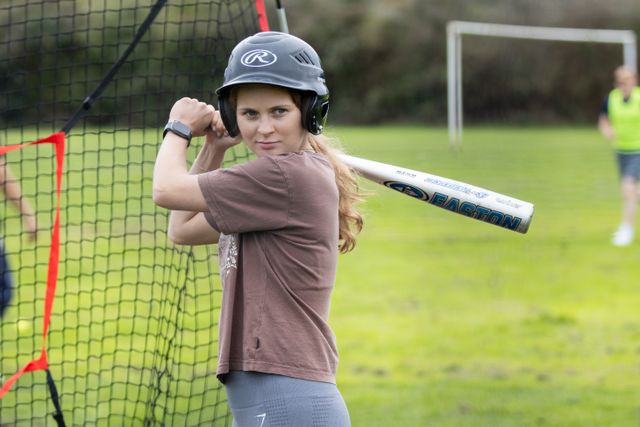
Sports retail has traditionally centered on selling equipment, apparel, and accessories to athletes looking for the right products. For baseball and softball players, this often means purchasing bats, gloves, protective gear, training aids, and other essentials before heading to the field. However, buying equipment is only one part of the sporting experience. Athletes also need opportunities to practice, develop their skills, and understand how to use their equipment effectively.
This creates an opportunity for sports retailers to expand beyond conventional product sales by incorporating batting cages, coaching, and practical training experiences into their businesses. Instead of serving customers only when they need new equipment, retailers can become destinations where athletes shop, practice, learn, and return throughout the season. Combining sports retail with batting instruction offers potential benefits for customer engagement, recurring revenue, and long-term relationships, provided the services are designed around genuine training needs.
Why Sports Retail Needs to Move Beyond Equipment Sales
Traditional sports retail depends heavily on product demand, seasonal purchasing patterns, and competition over pricing. Customers may visit a store before the start of a season to purchase equipment, but they often have little reason to return until something needs replacing. This creates gaps between transactions and makes it difficult for retailers to maintain consistent engagement with their customers.
Online shopping has also changed how athletes compare and purchase sporting goods. Customers can research equipment specifications, evaluate prices, and place orders without visiting a physical store. As a result, retailers that compete primarily through product selection and pricing may struggle to differentiate themselves from other sellers offering similar merchandise.
Introducing batting cages and coaching services provides a different reason for customers to visit. A player who needs regular hitting practice may return several times a month, creating more frequent interactions than equipment purchases alone would generate. These visits also give retailers opportunities to understand customer needs, recommend suitable products, and develop relationships that extend beyond individual transactions.
The value of this approach lies in making the retail location more useful to athletes. Rather than simply adding services to increase sales, retailers can create an environment where equipment selection and skill development support each other.
How Batting Cages Can Transform the In-Store Experience
Batting cages introduce an interactive element that traditional sports retail environments often lack. Customers can move beyond examining products on shelves and participate in the activity for which the equipment is intended. This changes the store from a place focused exclusively on purchasing into a destination that supports actual sports participation.
For baseball and softball players, access to a batting cage offers a convenient opportunity to practice hitting mechanics, timing, and consistency. Depending on the facility’s design, cages may support individual practice, instructor-led sessions, or small-group training. These experiences can appeal to athletes who want additional repetitions outside organized team activities.
The presence of batting cages can also influence how customers perceive a retailer. A store that provides training space demonstrates an interest in helping athletes improve rather than simply supplying equipment. Parents may appreciate the convenience of combining equipment shopping with practice sessions, while coaches may see value in having access to both training facilities and sporting goods.
However, the experience must be managed carefully. Batting cages require appropriate space, safety measures, supervision, and maintenance. Retailers should evaluate whether their premises can accommodate these requirements without compromising the shopping environment or creating unnecessary operational complications.
Coaching Services Add Expertise That Products Alone Cannot Provide
Equipment can support athletic development, but purchasing a new bat does not automatically improve hitting performance. Players may struggle with timing, swing mechanics, stance, or consistency even when they use suitable equipment. Coaching addresses these challenges by providing instruction that cannot be delivered through product sales alone.
Sports retailers that introduce batting instruction can offer customers access to knowledgeable professionals who understand the relationship between technique, practice, and equipment selection. A beginner may need help developing basic hitting fundamentals, while an experienced player might benefit from focused instruction on particular weaknesses. These differences create opportunities for personalized services.
Coaching also helps retailers establish credibility within their local sports communities. Customers may be more willing to trust equipment recommendations when they come from professionals who understand how athletes actually train and compete. This expertise can distinguish a retailer from businesses that focus primarily on product availability.
The strongest coaching programs should prioritize player development rather than equipment promotion. Instructors need the freedom to recommend technique adjustments and practice routines without turning every lesson into a sales opportunity. When customers recognize that their improvement comes first, they are more likely to trust both the coaching service and the broader retail business.
Connecting Equipment Selection With Real Training Needs
One of the most practical advantages of combining sports retail with batting cages is the opportunity to connect equipment recommendations with actual playing experiences. Customers often purchase sporting goods based on general specifications, recommendations from others, or assumptions about what will improve performance. Access to training facilities can make the selection process more informed.
For example, a young player may be unsure which bat length or weight feels comfortable during practice. Where facility rules and equipment availability permit, supervised demonstrations can help the player understand how different options affect handling and comfort. A coach can also explain why appropriate equipment should match the athlete’s size, ability, and training requirements.
This approach changes the nature of the retail conversation. Instead of focusing entirely on product features, staff can discuss how equipment supports the customer’s existing skills and goals. A player who struggles with swing consistency may benefit more from instruction than from purchasing a more expensive bat.
Retailers should avoid presenting equipment trials as guaranteed performance tests. A short practice session cannot establish that a particular product will produce better results in every situation. Nevertheless, practical experience can help customers make more confident purchasing decisions while reinforcing the value of knowledgeable retail assistance.
Creating New Revenue Opportunities Through Batting Cage Rentals
Batting cages can introduce a service-based revenue stream that operates alongside traditional equipment sales. Rather than relying exclusively on merchandise transactions, retailers can generate income through scheduled cage rentals, individual practice sessions, and organized training activities. This diversification may help reduce dependence on occasional equipment purchases.
Hourly or session-based cage rentals can appeal to athletes who want independent practice without committing to formal instruction. Facilities may also offer recurring reservations for players who follow consistent training schedules. Team rentals create another potential opportunity, particularly when coaches need dedicated space for structured hitting practice.
The pricing model should reflect operating costs, local demand, equipment maintenance, staffing, and available capacity. A retailer with limited training space may need a reservation system that prevents overcrowding and ensures customers receive the time they have booked. Clear policies regarding cancellations, session lengths, and equipment use can help maintain a predictable experience.
Retailers should also evaluate whether cage rentals complement their existing customer base. A store serving competitive baseball and softball players may have different demand patterns from one focused on recreational sporting goods. Understanding local participation and customer preferences is essential before investing in training infrastructure.
Building Recurring Revenue Through Coaching Programs
Private coaching offers another opportunity to develop recurring customer relationships. Unlike equipment purchases, which may occur only when a player needs something new, skill development often involves repeated sessions over an extended period. This makes instruction a potential source of more consistent revenue for sports retailers.
A retailer could offer introductory lessons, individual coaching sessions, or structured training packages based on player experience and goals. Younger athletes may benefit from programs emphasizing fundamentals, while more experienced players might seek targeted instruction to address specific aspects of their performance. Flexible scheduling can help accommodate families balancing sports with school and other commitments.
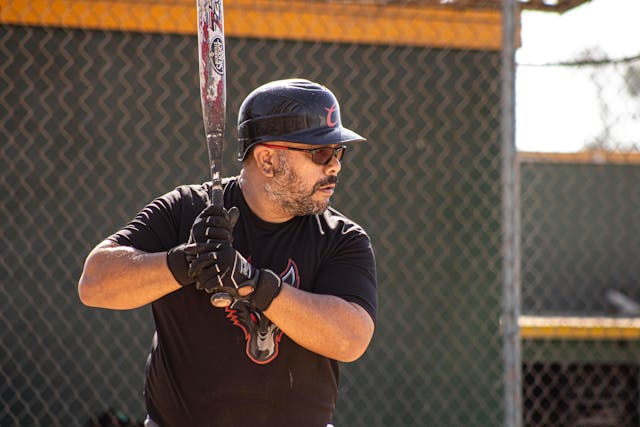
Businesses offering batting cages and professional hitting instruction can create an environment where practice and coaching reinforce each other. Players may attend instructor-led sessions to learn techniques and reserve additional cage time to practice independently. This combination gives customers a reason to maintain an ongoing relationship with the facility.
However, coaching programs should not be designed around maximizing appointment frequency alone. Instructors need to recommend realistic training schedules and communicate progress clearly. When customers understand the purpose of each session, they are more likely to view continued instruction as a worthwhile investment rather than an unnecessary recurring expense.
Making Sports Retail More Appealing to Families and Young Athletes
Families represent an important customer group for many baseball and softball retailers. Parents are often responsible for purchasing equipment, arranging lessons, coordinating transportation, and managing their children’s participation in sports. A retail environment that combines shopping and training can simplify some of these responsibilities.
For example, a parent bringing a child to a scheduled batting lesson may also need to replace worn equipment or purchase accessories for an upcoming season. Having these services available at one location can reduce the need for separate trips. The convenience becomes particularly valuable when families have limited time between school, work, and extracurricular activities.
Retailers can also create a more welcoming experience by offering clear information about beginner lessons, age-appropriate equipment, and available practice options. Parents who are unfamiliar with baseball or softball may appreciate guidance that explains what their children actually need without encouraging unnecessary purchases.
The environment should remain focused on safety, accessibility, and positive learning experiences. Clean facilities, organized scheduling, qualified instructors, and appropriate supervision contribute to customer confidence. When families feel comfortable returning regularly, they can become an important source of long-term business and word-of-mouth recommendations.
Using Batting Cages to Strengthen Local Sports Communities
Sports retailers have opportunities to build relationships with local teams, coaches, schools, and recreational organizations. Introducing batting cages and coaching can make these connections more meaningful by providing practical services that support participation in baseball and softball.
A retailer with suitable facilities may offer practice sessions for youth teams, instructional clinics, or scheduled training opportunities for local organizations. Coaches might use the space for additional hitting practice, while individual players could attend lessons outside their regular team schedules. These activities bring different parts of the local sports community into the same environment.
Community relationships can also support retail sales indirectly. Athletes who regularly visit a facility may become more familiar with its merchandise, while parents and coaches may recommend the business to others. This kind of visibility develops through repeated positive experiences rather than relying entirely on promotional advertising.
Partnerships should provide clear value to participating organizations. Retailers need to consider scheduling availability, instructor qualifications, group sizes, and appropriate facility use before offering programs. Well-organized community activities can strengthen reputation, but poorly managed events may create frustration and damage relationships.
Marketing Batting Cages and Coaching Alongside Retail Products
Adding training services does not automatically guarantee that customers will discover or use them. Retailers must communicate the availability of batting cages and coaching through marketing that reaches local athletes, parents, and coaches. This requires a different approach from promoting merchandise alone.
Local search marketing is particularly relevant because customers often look for nearby batting cages, hitting lessons, or practice facilities. Retailers should provide accurate business information, clear service descriptions, current operating hours, and straightforward booking instructions. Dedicated website pages for cage rentals and coaching can help customers understand their options before visiting.
Content marketing can also connect equipment knowledge with training needs. Articles explaining how to choose appropriate batting equipment, prepare for a first hitting lesson, or establish a consistent practice routine may attract customers interested in both products and instruction. Educational content allows retailers to demonstrate expertise without making every interaction promotional.
Existing retail customers provide another audience for these services. In-store signage, appropriate follow-up communications, and conversations with knowledgeable staff can introduce training opportunities to people already purchasing sporting goods. The message should emphasize practical benefits, such as convenient practice access and personalized instruction, rather than simply promoting additional spending.
Managing the Operational Challenges of Combining Retail and Training
Expanding into batting cages and coaching introduces responsibilities that differ significantly from traditional retail operations. Merchandise management involves purchasing, inventory control, pricing, and customer service. Training facilities require additional attention to scheduling, safety, equipment maintenance, instructor availability, and facility supervision.
Space planning is one of the first considerations. Batting cages need sufficient dimensions, protective barriers, appropriate lighting, and safe movement areas. Retailers must ensure that training activity does not interfere with shoppers or create hazards in nearby merchandise displays. Local building requirements, insurance arrangements, and applicable safety standards should be reviewed before operations begin.
Staffing presents another challenge. Employees who are effective at selling sporting goods may not have the qualifications needed to provide batting instruction. Retailers should establish clear responsibilities between sales staff, facility attendants, and instructors. Training quality depends on relevant experience, communication skills, and the ability to work safely with athletes of different ages and abilities.
Scheduling systems also become important as demand grows. Retailers need to coordinate cage availability, coaching appointments, group reservations, and maintenance periods. Reliable booking procedures can prevent overlapping sessions and help customers plan their visits with confidence.
Measuring Success Beyond Merchandise Sales
A sports retailer introducing batting cages and coaching should evaluate performance differently from a business focused entirely on merchandise. Product revenue remains important, but service-based operations introduce additional measures that reveal whether the expansion is sustainable.
Cage utilization is one useful indicator. Tracking how much available training time customers actually book can help retailers identify busy periods, underused capacity, and opportunities to adjust scheduling. Coaching retention provides another perspective by showing whether customers continue attending lessons after their initial sessions.
Retailers should also examine how training services influence merchandise sales without assuming every visitor will make a purchase. Some customers may primarily use the batting cages, while others may combine instruction with occasional equipment purchases. Understanding these patterns can help businesses develop realistic expectations for the relationship between retail and services.
Operating costs must remain part of the evaluation. Instructor compensation, maintenance, insurance, utilities, and facility upkeep can affect profitability even when bookings are strong. A successful expansion requires more than attracting visitors. It needs a business model that supports consistent service quality while covering the costs of maintaining the training environment.
Creating a Sports Retail Destination Customers Want to Revisit
The greatest potential benefit of combining batting cages, coaching, and equipment sales is the opportunity to change how customers interact with a sports retailer. Instead of visiting only when they need a new product, athletes can return for practice, instruction, and ongoing support throughout their development.
This model encourages more meaningful customer relationships. Staff and instructors may become familiar with individual players, their training goals, and their equipment preferences. That knowledge can improve service quality and make future recommendations more relevant. Customers benefit from an environment where their sporting needs are understood beyond a single transaction.
Consistency is essential to making this approach work. Customers should receive the same level of professionalism whether they are purchasing equipment, reserving a cage, or attending a coaching session. Clear communication, dependable scheduling, knowledgeable assistance, and well-maintained facilities all contribute to the overall experience.
Retailers that deliver these elements can develop a stronger identity within their local markets. Rather than competing exclusively through merchandise selection, they become known for supporting athletes through multiple stages of participation and skill development.
The Future of Sports Retail Is About Participation, Not Just Purchases
Sports retail has an opportunity to become more closely connected to the activities customers enjoy. Equipment remains an essential part of baseball and softball, but athletes also need accessible practice environments, knowledgeable instruction, and opportunities to develop their abilities. Bringing batting cages and coaching into retail settings allows businesses to address these needs together.
The approach offers potential commercial advantages through cage rentals, recurring lessons, stronger community relationships, and more frequent customer visits. It also creates operational responsibilities that require careful planning, appropriate staffing, and realistic financial expectations. Retailers should evaluate these factors before treating training services as a simple addition to their existing merchandise business.
Ultimately, the strongest opportunity lies in providing genuine value beyond the sale. A sports retailer that helps athletes select suitable equipment, practice consistently, and receive useful coaching can become a meaningful part of their sporting experience. By connecting products with participation, retailers can build businesses that customers visit not only when they need to buy something, but also when they want to become better players.
Leave a Reply