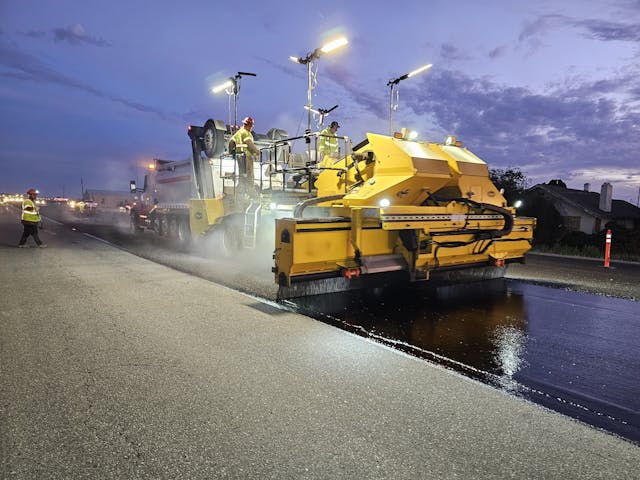
Retail strategy usually gets discussed in terms of merchandising, customer experience, pricing, layout, and digital convenience. What gets ignored far too often is the physical surface that customers interact with before they ever step inside. In many retail environments, the first real point of contact is not the front door, the signage, or even the display window. It is the parking lot, the drive lane, the sidewalk connection, and the overall condition of the paved space surrounding the property.
That is where asphalt paving and maintenance become more than a facilities issue. They become part of retail strategy. A worn, cracked, poorly marked, or uneven surface can quietly work against the entire business. It can create friction before a shopper ever reaches the entrance. On the other hand, a clean, well-maintained, clearly organized paved area can support convenience, safety, traffic flow, and brand perception in ways that directly affect how a location performs.
For retailers, the outside environment is not separate from the shopping experience. It is the beginning of it. And for property owners, operators, and businesses trying to attract repeat traffic, asphalt paving and maintenance should be seen as a practical business tool rather than a background repair category.
The customer journey starts before the customer enters the building
A lot of retail decision-making focuses on what happens once people are inside. That matters, of course, but it misses an important truth. By the time a customer steps into a store, they have already formed impressions about convenience, quality, safety, and overall trustworthiness. Those impressions often begin the moment they turn into the property.
Think about what a customer notices without consciously analyzing it. They notice whether the entrance is easy to access. They notice whether the parking feels chaotic. They notice faded striping, potholes, standing water, rough patches, loose gravel, broken curbs, or unclear pedestrian paths. They notice whether the property feels neglected or organized. None of this requires them to stop and evaluate it in a formal way. It just shapes the experience.
This matters even more in retail because retail is highly sensitive to friction. A customer who feels mildly inconvenienced may still continue with an appointment-based business or essential service. A retail customer often has more options and less patience. If the site feels difficult, confusing, or poorly maintained, that small frustration can affect visit frequency, time spent on-site, and even whether they return.
Good retail strategy tries to reduce friction at every stage. Asphalt maintenance supports that goal in a very literal way. It helps create a smoother arrival, a clearer layout, and a more welcoming entry point.
First impressions are operational, not just visual
It is easy to think of asphalt work as purely cosmetic when discussing customer-facing businesses. That view is too narrow. Surface condition does affect aesthetics, but the real value goes deeper. It influences how the site functions.
A freshly paved or well-maintained retail lot does more than look better. It helps guide vehicles more efficiently. It supports clear parking patterns. It makes directional markings easier to follow. It improves accessibility when spaces and pathways are properly maintained. It reduces avoidable hazards that can create complaints or liability concerns. In other words, it improves the operational quality of the site.
For retail businesses, appearance and operations are closely connected. A property that looks clean and orderly often feels easier to use. A property that looks neglected often feels harder to navigate, even when the issues seem minor. This is why paving and maintenance should not be treated as isolated maintenance line items with no strategic value. They influence how customers move, what they feel, and how professionally the business is perceived.
A store can invest in interior upgrades, staffing, displays, and promotions, but if the approach to the building feels messy or deteriorated, the customer experience starts with a contradiction. The outside says one thing while the inside tries to say another.
Parking lot design supports retail behavior more than many businesses realize
Retail strategy is partly about understanding behavior. How do customers approach the site. Where do they pause. What makes entry feel easy. What slows them down. What makes a quick stop feel worth it. Asphalt paving and layout decisions play into all of these questions.
The parking lot is not just a place to leave vehicles. It is a movement system. It shapes how people arrive, how close they can get, how safely they can walk, how quickly they can exit, and how intuitive the whole visit feels. When paving is paired with smart striping, lane organization, and maintenance planning, it becomes part of the site’s usability.
This is especially important for retail locations that depend on convenience. In those environments, time and simplicity matter. Customers often choose where to stop based not only on product selection or location, but also on whether the visit feels easy. Poor traffic flow, awkward entrances, difficult turns, limited visible organization, or damaged pavement can all make a retail site feel like more effort than it is worth.
A strong retail property supports easy entry and easy exit. It makes parking feel predictable. It reduces the sense of clutter and confusion. Well-maintained asphalt helps hold that system together. It provides the physical foundation for the experience the retailer wants to create.
Maintenance is often more strategic than replacement
Many businesses delay asphalt care because they think in extremes. Either the lot is fine, or it needs a full overhaul. That mindset causes unnecessary deterioration and bigger costs later. In reality, retail-facing properties benefit most from consistent maintenance that protects appearance and function before problems become severe.
Crack sealing, sealcoating, patching, restriping, drainage correction, and surface monitoring all help extend the life of the pavement while keeping the property presentable. More importantly, these actions preserve the customer experience. Small failures in pavement quickly become visible signs of neglect. They also tend to multiply. A crack becomes a larger break. Water intrusion worsens the damage. Faded markings reduce clarity. Isolated rough areas turn into broader surface issues.
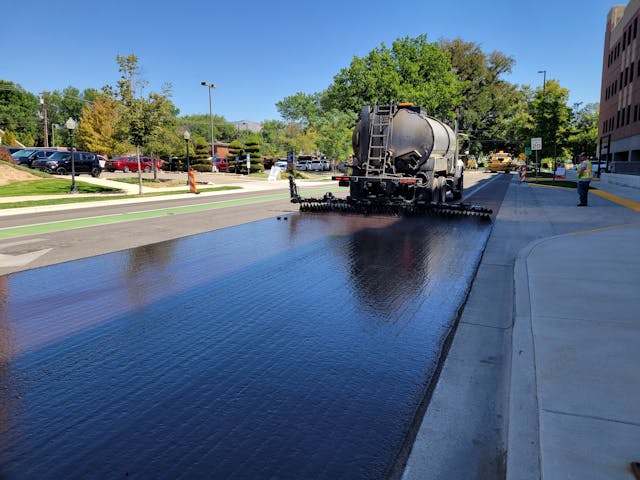
From a retail strategy perspective, waiting too long creates two problems at once. First, the site becomes less appealing and less efficient. Second, the business may eventually need more disruptive and expensive work. Regular maintenance helps avoid both outcomes.
This approach aligns with how strong retail operations manage the rest of the business. Smart retailers do not wait for major breakdowns in every other area. They monitor performance, make targeted improvements, and protect the customer experience before problems grow. Asphalt should be approached the same way.
The paved environment affects brand perception even when no one says it out loud
Most customers will never tell a retailer, “I did not like your pavement condition.” That is not how people usually describe their reactions. Instead, they use broader language. They may say the place felt old, inconvenient, poorly managed, hard to access, or less appealing than alternatives. The paved environment contributes to those impressions.
Brand perception is built through repeated signals. Some are obvious, like signage and product presentation. Others are subtle, like cleanliness, maintenance standards, and ease of use. Exterior pavement falls into that second category. It communicates whether the business pays attention to details. It signals whether the property is being actively managed. It can either reinforce a quality-oriented brand or weaken it.
This is particularly relevant in competitive retail corridors where multiple businesses may offer similar products or services. In those settings, visual confidence and ease of access matter. A store that feels polished from the curb to the checkout has an advantage over one that only invests in the interior. Customers may not consciously compare pavement condition across properties, but they absolutely respond to the overall feeling that condition creates.
That makes asphalt maintenance part of customer-facing brand consistency. It is not glamorous, but it is visible. And in retail, visible details have value.
Safety and accessibility are not side concerns in retail settings
Retail spaces serve a wide range of people. Some are in a hurry. Some are carrying bags or pushing carts. Some are older adults. Some are families with children. Some rely on accessible parking and smooth path connections. In that context, pavement condition becomes a direct part of usability.
Cracks, uneven areas, poor drainage, broken edges, faded markings, and neglected walk zones can make a property more difficult to use safely. Even when those issues do not seem dramatic, they create avoidable barriers. For a retail business, that can mean a worse experience, a shorter visit, negative impressions, or increased risk.
Accessibility is also closely tied to perception. A property that appears easy to use feels more welcoming. A property that creates uncertainty at arrival feels less inclusive. Retail strategy often talks about serving customers better, but that idea has to include the physical experience of reaching the entrance and moving through the site.
Maintained asphalt helps support that goal in a practical way. It contributes to smoother walking surfaces, clearer parking design, more visible markings, and better overall confidence in the site. Retailers who care about customer experience should care about this part of the experience too.
Weather, wear, and traffic make retail paving a business priority
Retail properties experience a different pattern of pavement stress than many other sites. High turnover, frequent braking, turning movements, delivery traffic, seasonal weather exposure, and constant daily use all contribute to wear. Because the surface is always visible and constantly used, deterioration becomes both a structural issue and a customer-facing issue.
The combination of use and exposure means retail paving should never be managed passively. Small defects tend to become visible quickly, and visible defects tend to matter more in spaces where public perception plays a major role. A back-of-house industrial area may tolerate rougher conditions longer without affecting customer judgment. A retail frontage usually cannot.
This is why proactive planning matters. Businesses that view asphalt care as a long-term operational priority are better positioned to maintain curb appeal, reduce disruptions, and manage budgets more effectively. The point is not to chase perfection. The point is to avoid the slow, familiar decline that turns an otherwise successful retail property into one that looks tired before its time.
Retail performance is shaped by many factors, but site condition is one of the few that influences nearly every visitor before a transaction even begins.
Asphalt strategy should align with broader property strategy
Retail businesses often separate physical maintenance from business planning. One team thinks about sales, leasing, customer flow, and promotions. Another thinks about repairs, upkeep, and vendors. In practice, those worlds overlap much more than they are often allowed to.
If a retailer is investing in a stronger storefront experience, updated signage, tenant attraction, better pickup flow, or improved curb appeal, the condition of the asphalt should be part of the conversation. If a shopping area wants to feel more convenient, more modern, or more organized, pavement quality and layout clarity will influence whether that goal is actually felt by customers.
This does not mean every retail site needs a major paving project. It means paving decisions should be tied to how the property wants to function and be perceived. A location trying to improve quick-stop convenience should care about entry flow, striping clarity, and surface quality. A property trying to elevate image should care about visual consistency from the lot to the storefront. A site trying to reduce complaints should care about safety, drainage, and accessibility.
When asphalt is treated as part of the property strategy, spending becomes easier to justify because it is tied to outcomes that matter. The conversation shifts from “Do we have to fix this” to “What kind of retail experience are we trying to support.”
From the curb to the checkout, consistency matters
Retail works best when the experience feels coherent. Customers should not feel a disconnect between what the business promises and what the physical environment delivers. If the marketing says convenient, the arrival should be convenient. If the brand says polished, the site should feel maintained. If the business wants repeat traffic, the visit should start smoothly.
That is why asphalt paving and maintenance deserve a larger role in how retail businesses think. These services are not just about patching damage or extending surface life. They help shape the first impression, protect usability, support safe access, and reinforce the overall standard of the property.
From parking lots to storefronts, the retail experience begins on the ground. Businesses that understand that are better positioned to create spaces that feel easier, stronger, and more trustworthy from the very first moment a customer arrives.
Leave a Reply