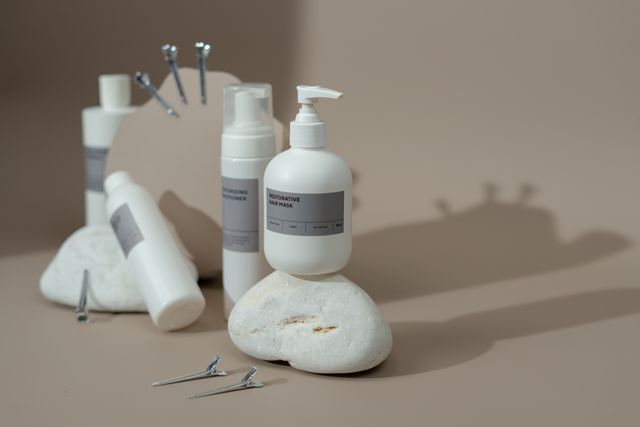
The way people discover skin care, hair care, and beauty essentials has changed dramatically over the last decade. Not long ago, most purchasing decisions were influenced by magazine advertisements, television commercials, recommendations from friends, or conversations with beauty consultants in physical stores. Today, discovery happens across multiple channels at once, often long before a customer enters a store or adds a product to their cart.
Modern retail has become much more than a place where products are displayed and sold. It now serves as a discovery engine that connects consumers with new solutions, educates them about ingredients and routines, and influences buying decisions at every stage of the customer journey. The retail experience has evolved into a blend of digital content, personalized recommendations, in-store experiences, social influence, and data-driven merchandising.
As consumer expectations continue to change, retailers are finding new ways to help shoppers navigate an increasingly crowded beauty market. The result is a discovery process that feels more personalized, interactive, and informed than ever before.
The Shift From Product Hunting to Guided Discovery
In the past, consumers often entered a store with a specific product in mind. Discovery was limited by shelf space, local availability, and the information immediately available on packaging. While recommendations certainly played a role, the shopping experience was largely transactional.
Today, retail environments are designed to help consumers discover products they may not have been actively searching for. Both physical and digital retailers use curated collections, personalized recommendations, educational content, and category-based merchandising to guide shoppers toward solutions that fit their needs.
This shift is particularly important in beauty categories because consumers are often looking to solve specific concerns rather than simply buy products. Someone searching for help with dry skin, scalp irritation, hair damage, or aging concerns may not know exactly what type of product they need. Retailers increasingly position themselves as guides rather than just sellers, helping shoppers move from problem identification to product discovery.
The emphasis has moved from simply displaying inventory to creating an experience where consumers can learn, compare, and explore. This approach encourages longer engagement and often introduces shoppers to products they might never have found through traditional browsing methods.
Digital Retail Has Expanded Discovery Beyond the Shelf
One of the most significant changes in beauty retail is that discovery no longer begins inside a store. Consumers frequently start their research online, gathering information before making a purchase decision.
Retail websites have evolved into educational platforms that provide ingredient explanations, usage guides, tutorials, customer reviews, and personalized recommendations. Rather than serving as digital catalogs, these platforms function as research hubs where consumers can build confidence before committing to a purchase.
Search Behavior Is Driving New Discovery Patterns
Many shoppers now begin their journey with a question rather than a product search. They may look for information about managing specific skin concerns, improving hair texture, creating a skincare routine, or understanding ingredients. Retailers have adapted by organizing content around consumer needs instead of simply product categories.
This approach helps bridge the gap between education and commerce. When shoppers find answers to their questions within a retail environment, they are more likely to continue their purchasing journey on that same platform.
The result is a more informed consumer who enters the buying process with greater confidence and a clearer understanding of available options.
Reviews and User Experiences Influence Discovery
Consumer reviews have become one of the most powerful discovery tools in modern retail. Shoppers often trust feedback from other customers because it feels more authentic and relatable than traditional advertising.
Detailed reviews, before-and-after experiences, and community discussions help consumers evaluate whether a product aligns with their personal goals. Retailers increasingly highlight this user-generated content because it plays a major role in influencing purchasing decisions.
For many shoppers, reading reviews is no longer the final step before purchase. It has become part of the discovery process itself, introducing them to products and solutions they may not have considered otherwise.
Personalization Is Changing How Consumers Shop
Beauty is inherently personal. Different skin types, hair textures, lifestyles, climates, and preferences mean that the same solution rarely works for everyone. Retailers have recognized this challenge and increasingly rely on personalization to improve product discovery.
Digital tools now help shoppers narrow down options based on specific concerns and preferences. Instead of browsing hundreds of products, consumers can receive recommendations tailored to their individual needs.
This level of personalization reduces decision fatigue, which has become a growing issue in beauty categories. With so many options available, consumers often feel overwhelmed. Personalized discovery tools simplify the process and make shopping more approachable.
Data Helps Create Relevant Experiences
Retailers collect valuable insights from browsing behavior, purchase history, search patterns, and customer preferences. These insights help create more relevant recommendations and improve the overall shopping experience.
When used effectively, data enables retailers to present products that align with a shopper’s interests rather than relying on generic merchandising strategies. This creates a more efficient path to discovery and often improves customer satisfaction.
Consumers increasingly expect this level of personalization. Generic experiences feel outdated in a marketplace where tailored recommendations have become the norm.
Customized Journeys Build Confidence
Many consumers hesitate when purchasing beauty products because results can vary significantly from person to person. Personalized recommendations help reduce uncertainty by narrowing choices and offering solutions that appear more relevant.
As confidence increases, discovery becomes easier. Consumers feel more comfortable exploring new products when recommendations are based on their unique characteristics and concerns.
Retailers that successfully create personalized journeys often strengthen customer loyalty because shoppers perceive them as trusted advisors rather than simply sales channels.
Physical Stores Are Becoming Experience Centers
While digital channels play a major role in discovery, physical retail remains highly influential. In fact, stores are evolving in ways that make them even more valuable for beauty consumers.
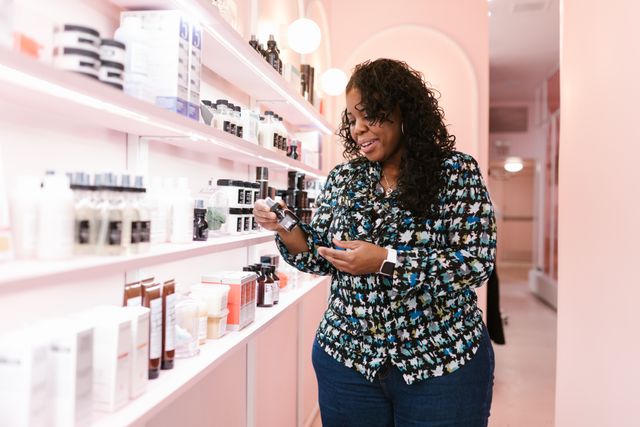
Rather than serving solely as transaction points, many stores now focus on education, experimentation, and engagement. The ability to see, touch, smell, and test products remains an important advantage that online environments cannot fully replicate.
Consumers often use stores to validate discoveries they made online. They may arrive with prior knowledge and use the in-store experience to confirm whether a product meets their expectations.
Interactive Experiences Encourage Exploration
Modern retail environments are increasingly designed to promote exploration. Product demonstrations, consultations, educational displays, and guided shopping experiences help consumers learn more about available solutions.
These experiences transform shopping from a simple purchasing activity into a learning opportunity. Consumers gain a better understanding of ingredients, usage methods, and product benefits, which improves confidence and satisfaction.
The more interactive the experience, the more likely shoppers are to discover products outside their original search criteria.
Store Layouts Influence Consumer Behavior
Retail merchandising has become more strategic and customer-focused. Products are often grouped around concerns, routines, or lifestyles rather than simply by brand or category.
This organizational approach makes it easier for consumers to navigate complex beauty assortments. It also encourages cross-category discovery, introducing shoppers to complementary products they may not have initially considered.
Well-designed store layouts can significantly influence purchasing behavior because they help consumers visualize complete solutions rather than individual items.
Social Influence and Retail Are Becoming Closely Connected
The relationship between social content and retail has become increasingly intertwined. Consumers regularly discover beauty trends, techniques, and recommendations through social platforms before seeking products through retail channels.
Retailers have adapted by integrating social-inspired content into their shopping experiences. Educational videos, tutorials, customer-generated content, and trend-based merchandising all help bridge the gap between inspiration and purchase.
This connection has accelerated the speed at which new products gain visibility and reach consumers.
Content Has Become a Discovery Tool
Beauty shoppers consume large amounts of educational content before making purchasing decisions. They want to understand how products fit into routines, what ingredients do, and how different solutions compare.
Retailers increasingly create content that answers these questions. Articles, videos, tutorials, and expert insights help consumers make informed decisions while keeping them engaged within the retailer’s ecosystem.
Content-driven discovery is especially important because it supports consumers throughout the entire decision-making process rather than focusing only on the final transaction.
Trends Move Faster Than Ever
The beauty industry has always been influenced by trends, but retail now responds to those trends much faster. Real-time consumer behavior, search data, and engagement metrics allow retailers to identify emerging interests and adjust merchandising strategies accordingly.
This agility helps consumers discover relevant products more quickly. It also ensures that retail experiences remain aligned with changing preferences and market demand.
As trend cycles continue to accelerate, retailers that can quickly connect discovery with availability will maintain a competitive advantage.
The Future of Beauty Discovery Will Be More Integrated
The distinction between online and offline discovery continues to fade. Consumers move seamlessly between digital research, social content, physical stores, reviews, and personalized recommendations before making a purchase.
Retailers are increasingly focused on creating unified experiences that support this behavior. Rather than treating each channel separately, they aim to provide consistent information, recommendations, and engagement across every touchpoint.
Emerging technologies will likely make discovery even more personalized and interactive. Advanced recommendation systems, virtual consultations, enhanced diagnostic tools, and deeper personalization capabilities are expected to play larger roles in the future.
What remains constant is the growing importance of trust. Consumers want guidance, education, and recommendations they can rely on. Retailers that successfully combine convenience, expertise, personalization, and transparency will continue to shape how beauty products are discovered.
Conclusion
Retail is no longer just the final destination in the beauty purchasing journey. It has become a central part of how consumers discover, evaluate, and learn about skin care, hair care, and beauty essentials.
Digital platforms have expanded access to information, personalization has made recommendations more relevant, physical stores have become experience-driven environments, and social influence has accelerated discovery in unprecedented ways. Together, these changes have transformed the relationship between consumers and beauty retail.
As expectations continue to evolve, discovery will become even more integrated, personalized, and education-focused. Consumers are no longer simply shopping for products. They are searching for solutions, guidance, and experiences. Retailers that understand this shift will play an increasingly important role in shaping how beauty purchases are made in the years ahead.
Leave a Reply