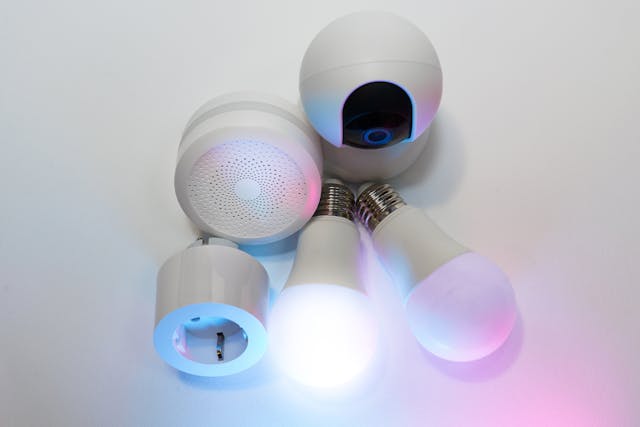
The way electrical services are sold is changing. What was once a purely service-driven industry—focused on site visits, manual quotes, and reactive upgrades—is now being influenced by retail-style experiences. Homeowners and businesses increasingly expect the same clarity, convenience, and personalization they encounter when shopping online. This shift is pushing smart home installations and electrical upgrades toward a more structured, productized, and customer-centric model.
Retail thinking brings predictability into a traditionally complex process. Instead of vague estimates and open-ended scopes, customers are presented with clearly defined solutions, transparent pricing, and streamlined decision-making. As a result, electrical services are becoming easier to understand, easier to purchase, and easier to scale.
From Custom Quotes to Packaged Solutions
One of the biggest influences of retail models is the move toward packaged offerings. In traditional electrical services, every project is treated as entirely custom, requiring detailed assessments and multiple interactions before a quote is finalized. While customization remains important, retail-style packaging simplifies the process by offering predefined solutions that address common needs.
For example, instead of starting from scratch, customers can choose from structured service bundles that outline what is included, how long it will take, and what it will cost. These packages might be tailored for specific use cases, such as upgrading home panels, installing smart systems, or improving energy efficiency. By presenting options in a clear and standardized way, businesses reduce decision fatigue and accelerate the buying process.
This approach also benefits service providers. Standardized offerings make it easier to train teams, manage inventory, and maintain consistent quality across projects. It creates a balance between customization and efficiency, allowing businesses to scale without sacrificing service standards.
Creating a Retail-Like Customer Journey
Discovery That Feels Familiar and Intuitive
Retail models emphasize a smooth and engaging discovery process, and this is now influencing how customers explore electrical services. Instead of navigating technical jargon or unclear service descriptions, users are guided through intuitive pathways that help them understand their options.
Websites and digital platforms are designed to mirror retail experiences, with clear categories, detailed descriptions, and visual elements that make complex services easier to grasp. Customers can explore solutions based on their needs, whether it is improving safety, enhancing convenience, or upgrading technology.
This familiarity reduces friction and builds confidence. When customers feel comfortable navigating options, they are more likely to engage and move forward with a purchase.
Simplifying Decision-Making with Clear Options
Retail environments are built around helping customers make decisions quickly. This principle translates into electrical services through clear comparisons and structured choices. Instead of presenting a single, complex proposal, businesses can offer multiple tiers or options that cater to different budgets and requirements.
Each option should clearly outline its benefits and scope, allowing customers to compare and choose what works best for them. This transparency not only speeds up decision-making but also reduces misunderstandings and sets clear expectations.
Transparent Pricing and Trust Building
Pricing transparency is a cornerstone of retail experiences, and it is becoming increasingly important in electrical services. Customers want to know what they are paying for and why. Hidden costs or unclear estimates can create hesitation and erode trust.
By adopting retail-style pricing, businesses can present clear, upfront costs that align with the value delivered. This might include fixed pricing for certain services or detailed breakdowns that explain how costs are calculated. Transparency builds confidence and makes it easier for customers to commit.
Trust is further strengthened by consistency. When pricing, messaging, and service delivery align, customers feel assured that they are making the right choice. This consistency is a key factor in building long-term relationships and encouraging repeat business.
Integrating Technology for Seamless Experiences
Technology plays a central role in bridging retail models with electrical services. Digital tools enable businesses to create seamless experiences that guide customers from discovery to completion. Online booking systems, digital consultations, and automated updates are becoming standard features.
These tools not only improve convenience but also enhance efficiency. Customers can schedule services, track progress, and receive updates without needing constant communication. This reduces friction and ensures a smoother experience.
Smart home installations, in particular, benefit from this integration. As these systems become more complex, customers need clear guidance and support. Technology helps deliver this by providing structured information and simplifying interactions.
Personalization in Smart Home Upgrades
Tailoring Solutions to Individual Needs
Retail models excel at personalization, and this is increasingly relevant in smart home installations. Every property and user has unique requirements, from energy usage patterns to lifestyle preferences. By leveraging data and insights, businesses can offer solutions that align with these specific needs.
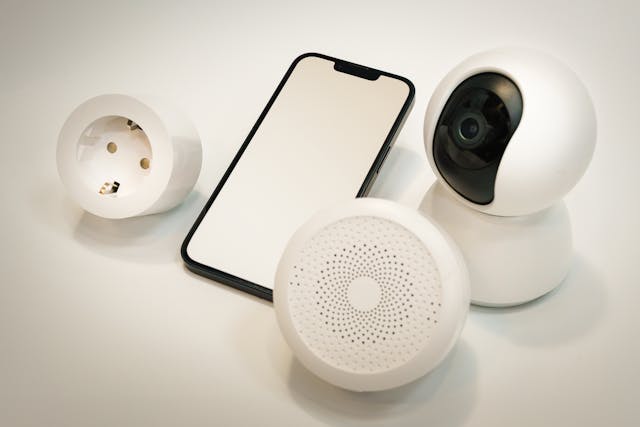
Personalization might involve recommending certain configurations, adjusting service packages, or suggesting additional upgrades that enhance functionality. This tailored approach improves customer satisfaction and ensures that installations deliver real value.
Enhancing the Customer Experience
Personalization also extends to the overall customer experience. From initial consultation to final installation, every interaction can be tailored to meet expectations. Clear communication, flexible scheduling, and responsive support all contribute to a positive experience.
When customers feel that services are designed around their needs, they are more likely to trust the provider and recommend it to others. This creates a cycle of satisfaction and growth that benefits the business.
Bridging Retail and Service Delivery
The integration of retail models does not eliminate the service aspect of electrical work. Instead, it enhances it by providing structure and clarity. Skilled professionals remain essential for executing installations and ensuring safety, but their work is supported by systems that improve efficiency and consistency.
This combination of retail and service creates a hybrid model where customers receive both convenience and expertise. It allows businesses to maintain high standards while also meeting modern expectations for speed and simplicity.
For service providers, this means adapting to new ways of operating. Training, processes, and tools must align with the retail approach to ensure a seamless experience. Those who embrace this shift are better positioned to compete in an evolving market.
Marketing Electrical Services Like Retail Products
Marketing strategies are also evolving to reflect retail influences. Instead of focusing solely on technical capabilities, businesses are highlighting benefits, outcomes, and user experiences. This shift makes services more relatable and easier to understand.
Content plays a key role in this process. Clear explanations, visual demonstrations, and practical examples help customers see the value of electrical upgrades. By presenting services in a way that resonates with everyday needs, businesses can attract a wider audience.
Calls to action are also becoming more direct and user-friendly. Encouraging customers to explore options, request consultations, or book services aligns with retail practices and improves conversion rates.
Scaling Growth with Structured Systems
One of the most significant advantages of adopting retail models is scalability. Structured offerings, standardized processes, and digital tools create a foundation for growth. Businesses can expand their reach, handle more projects, and maintain consistency across operations.
This scalability is particularly important in the growing market for smart home installations. As demand increases, providers need systems that can support higher volumes without compromising quality. Retail-inspired models provide the framework needed to achieve this.
At the same time, continuous improvement remains essential. Monitoring performance, gathering feedback, and refining strategies ensure that systems remain effective and aligned with customer expectations.
The Future of Electrical Services in a Retail-Driven World
The influence of retail models on electrical services is likely to continue growing. As customers become more accustomed to seamless, transparent experiences, their expectations will shape how services are delivered and marketed. Businesses that adapt to these expectations will have a significant advantage.
Future developments may include even greater integration of digital tools, more advanced personalization, and enhanced customer experiences. These changes will further blur the line between retail and service, creating a more unified and efficient model.
Ultimately, selling power differently is about meeting customers where they are. By adopting retail principles, electrical service providers can simplify complex processes, build trust, and create experiences that resonate with modern consumers. This transformation not only benefits customers but also positions businesses for long-term success in an evolving industry.
Leave a Reply