Category: Uncategorized

  • Retail Opportunities in Custom Shirt Printing: Turning Designs into In-Store Demand

    Retail Opportunities in Custom Shirt Printing: Turning Designs into In-Store Demand

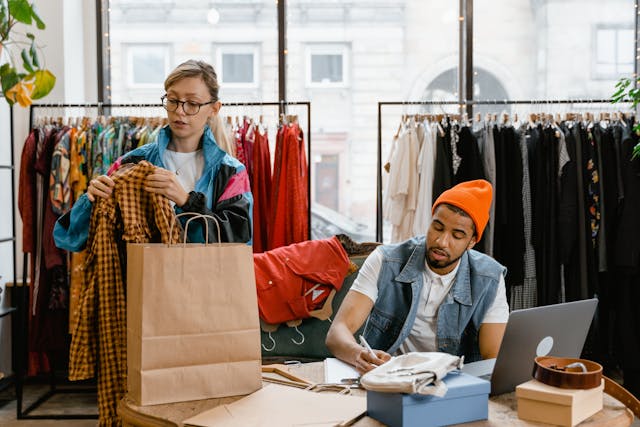
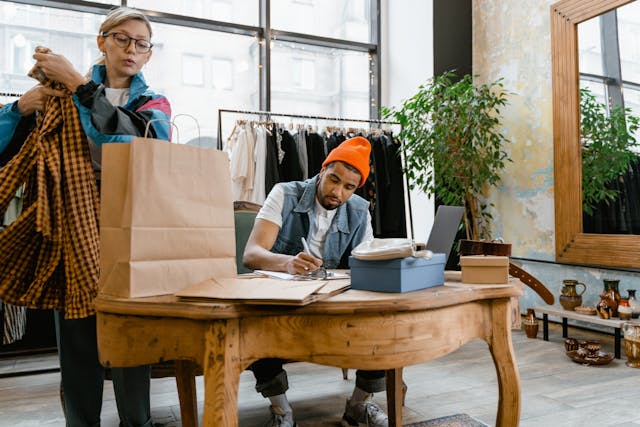
    Custom shirt printing has grown from a niche service into a thriving retail category. What was once limited to bulk orders for events or organizations has expanded into a broader market where individuals want personalized clothing that reflects their identity, interests, or creative ideas. This shift has created new opportunities for retail businesses that combine design creativity with on-demand production.

    Retail stores offering custom shirt printing now serve multiple customer segments. Some customers want personalized apparel for special occasions such as birthdays, reunions, or corporate events. Others are interested in fashion-driven designs that express humor, cultural references, or personal style. Because of this wide range of demand, custom printing businesses can transform simple apparel into highly personalized retail experiences.

    By combining creative design options with accessible in-store services, retailers can convert customer ideas into immediate product demand.

    Understanding the Appeal of Personalized Apparel

    One of the main reasons custom shirt printing attracts retail interest is the emotional connection people feel toward personalized products. Clothing that features a unique design, meaningful phrase, or customized artwork allows customers to express individuality in a way that mass-produced apparel cannot.

    For many shoppers, the ability to participate in the design process makes the purchase more memorable. Instead of selecting an item from a rack, they become part of the creative experience. Customers might bring their own artwork, choose from pre-designed templates, or work with staff to create a new design.

    This involvement transforms the transaction into an interactive experience rather than a simple purchase. When customers see their ideas printed and ready to wear, the product carries personal meaning that encourages both satisfaction and brand loyalty.

    Retailers who emphasize this personalized experience can differentiate themselves in competitive apparel markets.

    Creating In-Store Design Experiences

    Retail environments that support custom shirt printing often focus on creating interactive design stations. These areas allow customers to explore fonts, graphics, and layout options while visualizing how the final product will look.

    Design stations may include digital interfaces where customers can upload images, modify text, or experiment with color combinations. Staff members can guide customers through the process, offering suggestions about layout balance, fabric compatibility, or printing techniques.

    When customers see their design displayed on a digital preview, they gain confidence in the final result. This visualization step encourages purchases because shoppers can confirm that the design matches their expectations.

    Interactive design experiences also attract foot traffic. Passersby who see customers designing shirts inside the store may become curious about the process and step inside to explore their own ideas.

    Supporting Local Communities and Events

    Custom shirt printing businesses often become closely connected with local communities. Schools, sports teams, clubs, and nonprofit organizations frequently require custom apparel for events, fundraisers, or group activities.

    Retail stores that offer convenient in-store design services can position themselves as reliable partners for these organizations. Providing flexible design options, quick turnaround times, and the ability to handle both small and large orders makes the business valuable to local groups.

    Community connections also create repeat business opportunities. Teams may return each season for updated uniforms or fan merchandise, while organizations may reorder shirts for annual events.

    These ongoing relationships help retailers maintain steady demand while strengthening their presence within the local market.

    Expanding Retail Inventory with Custom Designs

    While many custom shirt printing businesses focus primarily on customer-designed products, there are also opportunities to create in-store retail collections. Unique graphic designs developed by the business can be printed on shirts and displayed alongside custom printing services.

    These ready-made designs appeal to shoppers who want distinctive apparel but prefer not to design their own shirts. Themes related to local culture, humor, sports, or regional pride often resonate strongly with customers.

    Displaying these designs within the store also demonstrates the quality of the printing process. Customers can examine fabric texture, print durability, and color vibrancy before committing to their own custom order.

    Retail collections complement custom services by generating additional sales while showcasing creative possibilities.

    Encouraging Impulse Purchases Through Fast Production

    One advantage of modern printing technology is the ability to produce shirts quickly, sometimes within minutes. This capability allows retailers to convert spontaneous customer interest into immediate sales.

    Shoppers who enter the store with a design idea can leave with a finished product during the same visit. This instant gratification enhances the retail experience and encourages impulse purchases.

    For example, a customer attending a nearby event might decide to create a custom shirt on the spot. If the printing process is fast and visible, watching the design come to life can be an exciting part of the purchase experience.

    Fast production also supports group orders for small events where participants want matching apparel without long waiting periods.

    Leveraging Social Sharing and Visual Appeal

    Custom shirt printing naturally lends itself to social sharing. Customers often enjoy showing off their personalized designs, especially when the design reflects humor, creativity, or cultural references.

    Retailers can take advantage of this behavior by creating visually appealing store environments where customers photograph their finished shirts. Design walls, creative displays, or branded photo areas encourage customers to capture and share their experience online.

    When customers share these images on social platforms, the store gains organic visibility. Friends and followers who see the designs may become interested in creating their own shirts.

    This type of social exposure can generate new visitors without traditional advertising.

    Creating a Destination for Creative Expression

    Retail stores that combine custom shirt printing with interactive design experiences often become creative hubs rather than ordinary apparel shops. Customers visit not only to purchase clothing but also to experiment with ideas and express personal creativity.

    Workshops, design contests, or collaborative events with local artists can further enhance this creative atmosphere. These activities attract customers who enjoy participating in the design process and exploring new artistic concepts.

    When a store becomes known as a place where creativity is encouraged, it attracts a diverse range of customers including artists, students, entrepreneurs, and hobbyists.

    This reputation helps sustain long-term retail demand while differentiating the business from traditional clothing stores.

    Turning Creativity into Retail Growth

    Custom shirt printing represents a unique intersection of fashion, creativity, and retail experience. By allowing customers to transform ideas into wearable products, retailers create an engaging shopping environment that encourages participation and personal expression.

    The combination of interactive design stations, fast production, and community engagement allows custom printing stores to generate consistent demand. Customers visit for special occasions, group events, or simply to create something unique.

    As personalization continues to shape consumer preferences, custom shirt printing businesses that embrace retail experiences will find new opportunities to attract customers and turn creative designs into lasting demand.

  • Retail Partnerships That Strengthen Supportive Childcare Programs for Modern Families

    Retail Partnerships That Strengthen Supportive Childcare Programs for Modern Families

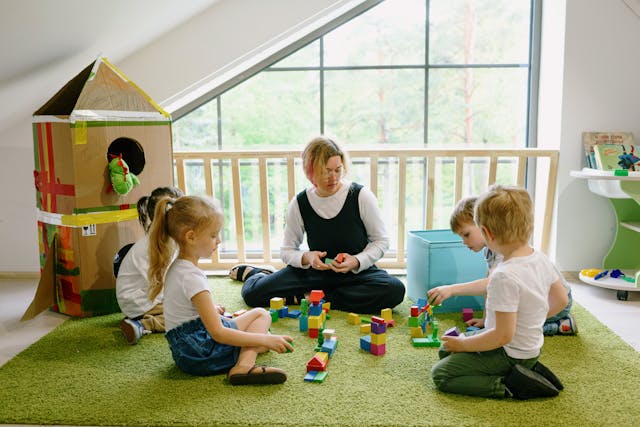
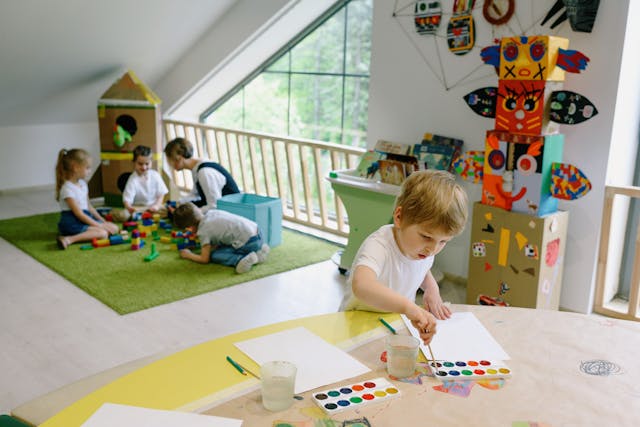
    Modern families often balance demanding work schedules, school responsibilities, and daily household tasks. For parents, access to reliable childcare is one of the most important factors in maintaining stability and productivity. As family needs evolve, supportive childcare programs are expanding beyond traditional models to provide environments that nurture children while also helping parents manage busy lifestyles.

    Retail partnerships are becoming an increasingly valuable part of this evolution. When childcare providers collaborate with retail businesses, they can create service ecosystems that support families in practical and meaningful ways. These partnerships may involve shared spaces, educational programming, family-focused retail services, or convenient access to everyday necessities.

    By integrating childcare services with nearby retail offerings, communities can create environments where parents and children benefit from greater convenience, accessibility, and support.

    Understanding the Needs of Modern Families

    Today’s families often navigate complex schedules that include work, school activities, commuting, and household responsibilities. Parents frequently look for childcare programs that do more than simply supervise children. They want environments that encourage learning, creativity, and emotional development.

    At the same time, convenience plays an important role in childcare decisions. Families often prefer services located near workplaces, shopping centers, or community hubs where multiple daily needs can be addressed at once. The ability to combine errands, childcare drop-offs, and family activities in one area reduces stress and saves time.

    Retail partnerships help childcare programs respond to these needs by creating environments where services and resources are located close together. This approach allows families to complete daily routines more efficiently while ensuring that children receive high-quality care.

    Creating Family-Friendly Retail Environments

    Retail spaces that collaborate with childcare providers often evolve into family-friendly environments where parents feel comfortable spending time with their children. Stores located near childcare centers may offer products and services tailored to families, including educational toys, children’s clothing, books, and nutritious food options.

    These retail environments can also include play areas, reading corners, or interactive displays designed to engage young visitors. Such features encourage families to explore the space while making routine shopping experiences more enjoyable for children.

    When retail spaces recognize the needs of families, they contribute to a welcoming atmosphere that complements nearby childcare programs. Parents appreciate locations where errands and childcare needs can be managed within the same area.

    This convenience encourages repeat visits and strengthens the relationship between families and the businesses serving them.

    Supporting Child Development Through Educational Retail

    Retail partnerships can also support early childhood development by offering educational experiences that extend beyond the childcare classroom. Stores that focus on books, creative materials, or learning tools can collaborate with childcare programs to introduce products that reinforce educational themes.

    For example, childcare centers may coordinate with nearby retailers to recommend books related to classroom activities or provide art supplies that children can use at home. Retail workshops or storytelling sessions can also complement the learning environment created within childcare programs.

    These collaborations create continuity between learning experiences at childcare centers and family time at home. Parents gain access to resources that help them support their child’s development, while retailers build meaningful connections with local families.

    Educational partnerships benefit both businesses and communities by encouraging curiosity and lifelong learning.

    Providing Convenience for Busy Parents

    One of the most practical benefits of retail partnerships is the convenience they offer to parents managing busy schedules. Childcare programs located near retail centers allow parents to complete everyday errands without traveling to multiple locations.

    For example, a parent dropping off a child at a childcare center within a retail complex may also have access to grocery stores, pharmacies, or service providers nearby. This proximity reduces the number of trips required during the day and helps families manage time more efficiently.

    Retailers benefit from this arrangement because families visiting childcare centers naturally become part of the customer base for nearby businesses. Parents may stop for quick purchases or return later with their children to explore family-friendly stores.

    Convenience becomes a shared advantage that supports both childcare programs and retail businesses.

    Encouraging Community Engagement

    Retail partnerships with childcare providers often contribute to stronger community connections. Events such as family days, seasonal celebrations, or educational workshops can bring families together in shared spaces that combine childcare and retail environments.

    These gatherings create opportunities for parents, children, and local businesses to interact in meaningful ways. Families can participate in activities while learning about services available within their community.

    Community-focused events also allow childcare providers to showcase their programs and educational philosophy. Parents considering childcare options may feel more comfortable exploring a program when they encounter it in a welcoming community setting.

    Retailers participating in these events benefit from increased visibility and stronger relationships with local families.

    Supporting Holistic Family Services

    Some retail partnerships extend beyond shopping experiences to include services that support family well-being. Retail centers located near childcare programs may offer health clinics, family counseling services, or fitness programs designed for parents and children.

    When families have access to these services within the same environment as childcare, they can address multiple aspects of family life more efficiently. Parents may schedule appointments or wellness activities while their children are safely engaged in educational programs.

    This integrated approach reflects a broader trend toward creating community hubs where families can access a variety of resources in one location.

    Holistic support strengthens the value of both childcare programs and retail environments.

    Building Long-Term Relationships with Families

    Childcare providers and retailers that collaborate effectively often develop long-term relationships with the families they serve. Parents who experience convenience, supportive services, and welcoming environments are more likely to remain loyal to the businesses that meet their needs.

    These relationships benefit children as well. Familiar environments where families regularly interact create a sense of stability and belonging. Children become comfortable with the spaces they visit and the people who support their daily routines.

    Retail partnerships reinforce these connections by providing families with consistent, positive experiences. Over time, these interactions strengthen the community network surrounding childcare programs.

    Strong relationships contribute to lasting trust and engagement.

    A Collaborative Approach to Family Support

    Retail partnerships represent an innovative approach to strengthening childcare programs and supporting modern families. By bringing together educational services, retail resources, and community engagement, these collaborations create environments where families can manage daily life more easily.

    Parents benefit from convenient access to childcare and essential services, while children experience supportive learning environments that extend into the broader community. Retail businesses gain loyal customers and meaningful connections with families who rely on their services.

    As communities continue to adapt to changing family needs, partnerships between childcare providers and retail businesses may become an increasingly important part of building supportive, family-centered environments.

  • Why Funny Custom Screen-Printed Shirts Thrive in Retail Stores and Gift Shops

    Why Funny Custom Screen-Printed Shirts Thrive in Retail Stores and Gift Shops

    Retail stores and gift shops often rely on products that capture attention quickly and create an emotional response from shoppers. Items that make people laugh, feel nostalgic, or instantly connect with a shared cultural moment tend to perform especially well in these environments. Funny custom screen-printed shirts fit perfectly into this category because they combine humor, creativity, and wearable expression in a product that customers can immediately relate to.

    Unlike many retail items that require careful comparison before purchase, humorous apparel often triggers spontaneous reactions. A shopper walking through a store may notice a shirt with a clever phrase or playful graphic and immediately feel compelled to pick it up. That instant connection can turn curiosity into a purchase within seconds.

    For retail stores and gift shops, this emotional response makes funny screen-printed shirts a reliable product category that consistently attracts attention and drives sales.

    Humor Creates Instant Emotional Connection

    One of the strongest reasons humorous shirts succeed in retail environments is the emotional reaction they create. Laughter is a powerful response that draws people in and encourages them to share the moment with others. When shoppers encounter a shirt with a witty message or unexpected joke, they often pause to read it, smile, and show it to friends or family members.

    This moment of shared humor increases the amount of time customers spend interacting with the product. Instead of quickly passing by a display, shoppers may browse several shirts looking for their favorite joke or the one that best reflects their personality.

    The emotional connection created through humor makes the product memorable. Even if a shopper does not purchase the shirt immediately, they are more likely to remember the store and return later.

    Retail environments benefit greatly from products that generate this kind of engagement.

    Funny Shirts Encourage Impulse Purchases

    Gift shops and retail stores frequently rely on impulse buying behavior. Many customers enter these stores without a specific purchase in mind, browsing shelves and displays until something catches their attention.

    Funny screen-printed shirts are especially effective at encouraging impulse purchases because they are easy to understand and emotionally engaging. When someone sees a joke that resonates with them, the decision to buy often happens quickly.

    The product does not require extensive evaluation or comparison with alternatives. The humor either connects with the customer or it does not. If it does, the purchase decision can feel immediate and effortless.

    This spontaneous buying behavior makes humorous apparel a valuable product category for stores that depend on quick retail decisions.

    Ideal Products for Gift Giving

    Gift shops succeed by offering items that customers can easily imagine giving to others. Funny shirts are particularly effective as gifts because humor can reflect shared experiences between friends, family members, or coworkers.

    Shoppers often purchase humorous apparel for birthdays, holidays, or casual surprises. A shirt with a joke related to hobbies, professions, or personality traits can feel highly personal even though it was purchased quickly in a retail setting.

    The wide range of humor styles also allows retailers to appeal to many different audiences. Some shirts feature lighthearted jokes, while others rely on clever wordplay or cultural references.

    Because humor is so diverse, retailers can stock a variety of designs that appeal to different types of shoppers.

    Visual Displays Attract Attention

    Funny shirts naturally lend themselves to eye-catching retail displays. The messages printed on the shirts act as visual headlines that shoppers can read from several feet away. When arranged properly, these designs can draw customers across the store toward the display.

    Retailers often hang shirts where the text or graphics remain clearly visible. When customers notice a design that stands out, they approach the display to read it more closely.

    This visual appeal makes humorous apparel an effective product for storefront windows or high-traffic areas inside a shop. Each shirt functions almost like a miniature advertisement that communicates its message instantly.

    Displays that invite shoppers to stop and read multiple designs increase engagement with the entire product section.

    Humor Reflects Identity and Personal Style

    Clothing often functions as a form of personal expression. Funny shirts allow people to communicate aspects of their personality, interests, or sense of humor without saying a word.

    Some customers enjoy wearing shirts that make others laugh, while others prefer subtle humor that reflects their personal style. Because humor is subjective, different designs appeal to different personalities.

    Retailers benefit from this variety because customers often browse multiple shirts until they find the one that feels most authentic to them. The process of searching for the “perfect” funny design keeps shoppers engaged with the display longer.

    When customers discover a shirt that perfectly reflects their sense of humor, the purchase feels meaningful rather than purely decorative.

    Easy Retail Inventory with Strong Margins

    From a retail perspective, funny screen-printed shirts offer practical advantages beyond customer appeal. Apparel is relatively easy to stock, display, and replenish compared with many other product categories.

    Shirts are lightweight, compact, and simple to organize by size or design. Retailers can rotate new humor themes or seasonal jokes throughout the year, keeping the product selection fresh and interesting.

    Because screen-printing allows designs to be produced efficiently, stores can maintain healthy profit margins while still offering products at accessible price points.

    This balance between affordability and profitability makes humorous apparel an attractive retail category for many shops.

    Social Sharing and Word-of-Mouth Promotion

    Humorous apparel naturally encourages conversation and social sharing. Customers often photograph funny shirts or show them to friends while browsing a store. This behavior extends the visibility of the product beyond the retail environment.

    When someone wears a humorous shirt in public, it may spark conversations with others who notice the joke. These interactions can lead people to ask where the shirt was purchased, generating organic word-of-mouth promotion for the store.

    Retailers benefit from this type of visibility because it introduces the brand to new customers through everyday social interactions.

    Products that encourage sharing and conversation often create lasting impressions for the business that sells them.

    A Retail Category Built on Personality and Entertainment

    Funny custom screen-printed shirts succeed in retail stores and gift shops because they combine entertainment with personal expression. The humor immediately captures attention, while the wearable format allows customers to carry that humor into their daily lives.

    Retailers benefit from the strong emotional reactions these products generate. Laughter draws customers into displays, encourages impulse purchases, and creates memorable shopping experiences.

    As long as people enjoy sharing humor and expressing personality through clothing, funny screen-printed shirts will continue to thrive as a retail category that blends creativity, conversation, and commerce.

  • When Holistic Skin & Facial Services Meet Retail: Creating Wellness-Focused Beauty Spaces

    When Holistic Skin & Facial Services Meet Retail: Creating Wellness-Focused Beauty Spaces

    The beauty industry has undergone a noticeable shift in recent years as consumers increasingly prioritize wellness alongside traditional skincare. Rather than viewing beauty treatments as isolated services, many people now see skincare as part of a broader lifestyle focused on balance, health, and self-care. This shift has encouraged spas, skincare studios, and facial service providers to rethink how they design their business environments.

    One of the most interesting developments in this space is the blending of holistic skin and facial services with retail experiences. Instead of separating treatment rooms from product sales, modern beauty spaces are integrating both elements into a single environment. These hybrid spaces allow customers to receive professional treatments while also discovering products that support their skincare routines at home.

    By combining service-based skincare with retail offerings, wellness-focused beauty spaces create environments where education, treatment, and product discovery work together to support long-term skin health.

    The Rise of Wellness-Oriented Skincare

    Consumers today often approach skincare with a deeper awareness of overall wellness. Many people are interested in how lifestyle choices, stress levels, nutrition, and environmental factors influence skin health. As a result, holistic skincare treatments that emphasize balance and natural restoration have become increasingly popular.

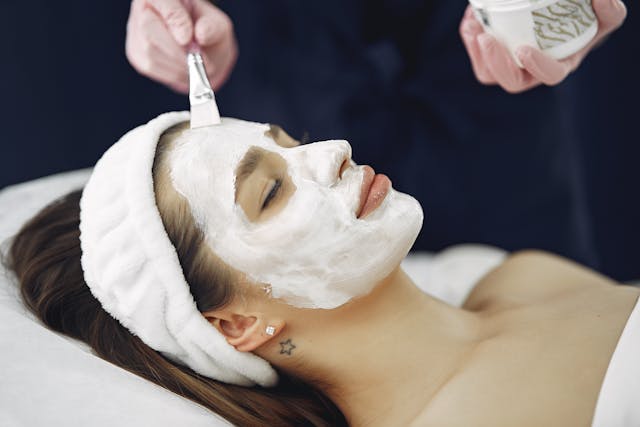
    Holistic facial services often focus on techniques designed to support the skin’s natural processes. These treatments may involve gentle exfoliation, hydration therapies, relaxation-focused facial massage, or treatments intended to improve circulation and skin vitality.

    Customers seeking these services often value the experience as much as the results. The calming environment, personalized attention, and focus on well-being contribute to a sense of relaxation that extends beyond the treatment itself.

    Retail spaces connected to these services can reinforce this philosophy by offering skincare products that align with holistic wellness goals.

    Integrating Retail with Skincare Treatments

    When skincare studios integrate retail into their service environments, the relationship between treatments and products becomes more meaningful. Instead of simply displaying products on shelves, beauty spaces can present them as extensions of the professional treatments customers receive.

    After a facial service, skincare professionals often recommend specific products to maintain the results of the treatment. When those products are available within the same space, customers can explore them immediately while the experience is still fresh in their mind.

    This approach also allows skincare professionals to explain how products should be used at home. Demonstrating application techniques or discussing ingredient benefits helps customers feel confident about incorporating the products into their routines.

    Retail integration transforms product sales into educational experiences rather than simple transactions.

    Designing Relaxing and Engaging Beauty Environments

    The physical design of a wellness-focused beauty space plays an important role in shaping the customer experience. Holistic skincare studios often prioritize calming aesthetics that encourage relaxation and mindfulness.

    Natural materials, soft lighting, and minimalistic layouts can create an atmosphere that feels restorative rather than commercial. Retail areas are often designed to blend seamlessly with treatment spaces so that the environment feels cohesive.

    Product displays may be arranged thoughtfully to encourage exploration without overwhelming the visitor. When customers feel comfortable moving through the space, they are more likely to browse and discover items that interest them.

    This balance between tranquility and engagement helps create beauty environments where retail complements the overall wellness experience.

    Supporting Long-Term Skincare Routines

    One of the most valuable aspects of combining skincare services with retail is the ability to support long-term routines. Professional treatments provide immediate benefits, but consistent daily care at home plays a major role in maintaining healthy skin.

    Retail products recommended during treatments help extend the results of facial services beyond the studio visit. Customers who follow personalized skincare routines are more likely to experience lasting improvements.

    Beauty spaces that emphasize education often guide customers through simple routines that align with their skin type and lifestyle. Instead of promoting large numbers of products, many holistic studios focus on thoughtful selections that support balanced skin health.

    This approach builds trust because customers feel that recommendations are based on genuine care rather than sales pressure.

    Encouraging Exploration and Self-Care

    Retail areas within holistic skincare studios also encourage customers to explore self-care products that complement facial treatments. Items such as facial tools, calming aromatherapy products, or skincare accessories can enhance relaxation routines at home.

    These products allow customers to recreate elements of the spa experience in their everyday lives. For example, a facial massage tool or soothing skincare product may remind someone of the relaxation they experienced during a treatment.

    Encouraging this type of self-care reinforces the idea that skincare is part of a broader wellness lifestyle. Customers begin to view the beauty space as a resource for ongoing personal care rather than simply a location for occasional treatments.

    This mindset encourages repeat visits and deeper engagement with the brand.

    Building Trust Through Personalized Guidance

    Holistic skincare services often emphasize personalized care. Every individual’s skin has unique characteristics, and treatments are typically adapted to address specific concerns.

    Retail recommendations within these environments benefit from the same personalized approach. Instead of presenting generic product options, skincare professionals can suggest products based on the customer’s individual skin needs.

    When recommendations come from professionals who have already evaluated the customer’s skin during a treatment, they carry greater credibility. Customers feel confident that the products align with their personal skincare goals.

    This trust strengthens the relationship between the customer and the beauty space.

    Creating Community Around Wellness

    Wellness-focused beauty spaces often evolve into community hubs where customers gather to learn about skincare and self-care practices. Workshops, skincare consultations, or educational events can introduce customers to new techniques and wellness concepts.

    Retail products featured during these events help reinforce the lessons shared during discussions. For example, a workshop about skin hydration might include demonstrations of products designed to support moisture balance.

    These gatherings encourage customers to interact with skincare professionals and other wellness enthusiasts. Over time, the beauty space becomes a place where people connect around shared interests in health, relaxation, and personal care.

    Community engagement strengthens customer loyalty while supporting the broader philosophy of holistic wellness.

    The Future of Integrated Beauty Spaces

    As consumer interest in wellness continues to grow, the integration of skincare services and retail environments will likely become even more common. Beauty spaces that combine professional treatments with thoughtful product offerings create experiences that extend beyond traditional retail.

    Customers benefit from personalized guidance, relaxing environments, and access to products that support long-term skin health. At the same time, businesses gain opportunities to build deeper relationships with their clients through education and ongoing engagement.

    By blending holistic skin and facial services with retail experiences, wellness-focused beauty spaces create environments where skincare becomes part of a broader lifestyle centered on balance, care, and self-awareness.

  • Hello world!

    Welcome to WordPress. This is your first post. Edit or delete it, then start writing!