Author: admin

  • How Sports Training Facilities Can Use Retail Tech to Improve Customer Experience

    How Sports Training Facilities Can Use Retail Tech to Improve Customer Experience

    Sports training facilities are no longer just physical spaces where athletes practice and improve performance. They are becoming experience-driven service environments where customer expectations are shaped by convenience, personalization, and real-time engagement. Whether it is a gym, academy, or specialized training center, members now expect smooth digital interactions alongside their physical training experience.

    Retail technology, originally developed for e-commerce and customer-centric retail environments, is increasingly being adapted by sports training facilities to improve how they manage bookings, communicate with clients, track progress, and deliver personalized services. When used effectively, these tools can transform a traditional training center into a highly responsive, data-driven experience hub.

    The Shift From Manual Operations to Digital Experience Systems

    Many sports training facilities still rely on manual systems for scheduling sessions, tracking attendance, and managing memberships. These methods often involve spreadsheets, paper registers, or basic software tools that are not designed for customer experience optimization. As customer expectations rise, these systems become limiting.

    Retail technology introduces integrated digital platforms that connect customer interactions, operational workflows, and performance tracking into a single ecosystem. Instead of treating each function separately, everything becomes part of a unified customer journey. From the moment a client books a session to the time they receive progress updates, the experience becomes seamless and consistent.

    Why Digital Integration Improves Service Quality

    When systems are integrated, staff spend less time managing administrative tasks and more time focusing on customer engagement. Trainers can access client history, attendance records, and performance data instantly, which allows them to tailor sessions more effectively.

    This level of integration also reduces errors such as double bookings, missed appointments, or incorrect membership tracking. As a result, the overall quality of service improves, and customers experience fewer disruptions in their training routines.

    Enhancing Booking and Scheduling With Smart Systems

    One of the most immediate improvements retail technology brings to sports training facilities is advanced booking and scheduling management. Customers today expect the ability to book sessions instantly, modify schedules easily, and receive confirmations without delays.

    Digital booking systems allow clients to view available time slots in real time and reserve sessions without needing staff intervention. These systems automatically update availability, preventing overbooking and ensuring efficient use of facility resources.

    Reducing Friction in Customer Access to Services

    Traditional booking methods often require phone calls or in-person coordination, which can create delays and frustration. Smart scheduling systems remove this friction by allowing customers to manage their own bookings through digital interfaces.

    This self-service approach not only improves convenience but also increases engagement. When customers have direct control over their schedules, they are more likely to stay consistent with their training routines and remain active members of the facility.

    Personalizing Training Experiences Through Data Insights

    Retail technology enables sports training facilities to collect and analyze data about customer behavior, attendance patterns, and performance progress. This data can then be used to create highly personalized training experiences that align with individual goals.

    Instead of offering generic programs, trainers can adjust workouts based on real-time insights. For example, if a client is consistently missing sessions or struggling with specific exercises, the system can highlight these patterns and suggest adjustments.

    How Personalization Increases Customer Retention

    Personalized experiences create a stronger emotional connection between clients and training facilities. When customers feel that their progress is being actively monitored and supported, they are more likely to remain committed to their training programs.

    This sense of individual attention also increases satisfaction. Clients are not treated as part of a group but as individuals with specific goals and needs. Over time, this personalization leads to higher retention rates and stronger customer loyalty.

    Improving Communication With Real-Time Updates

    Communication plays a critical role in customer experience within sports training facilities. Retail technology allows facilities to send real-time updates about session reminders, schedule changes, performance feedback, and membership information.

    Instead of relying on phone calls or in-person reminders, automated communication systems ensure that customers are always informed. This reduces confusion and helps maintain consistency in training schedules.

    Building Engagement Through Consistent Communication

    Regular updates help keep customers engaged with their training journey. Even simple reminders or progress notifications can reinforce commitment and encourage attendance.

    Consistent communication also builds trust. When clients know they will be informed about important updates in a timely manner, they feel more confident in the professionalism and reliability of the facility.

    Enhancing Customer Experience Through Digital Performance Tracking

    One of the most impactful uses of retail technology in sports training facilities is performance tracking. Digital systems can record workout history, measure progress, and provide visual insights into improvement over time.

    Instead of relying solely on verbal feedback, trainers and clients can review structured data that shows measurable progress. This makes training more transparent and goal-oriented.

    Turning Data Into Motivation

    When customers can see their progress visually represented, it often increases motivation. Charts, progress summaries, and milestone tracking help clients understand how far they have come and what areas need improvement.

    This data-driven approach turns training into a more engaging experience. It shifts the focus from routine exercise to measurable achievement, which can significantly improve long-term commitment.

    Streamlining Membership Management and Payments

    Retail technology also simplifies membership management by automating subscriptions, renewals, and payment processing. Clients can manage their memberships digitally, reducing the need for administrative intervention.

    Automated systems can also send reminders before renewal dates or notify customers about upcoming payments. This reduces missed payments and improves financial consistency for the facility.

    Creating a Smooth Administrative Experience

    When administrative tasks are automated, both staff and customers benefit. Staff can focus on coaching and service delivery instead of handling repetitive paperwork, while customers enjoy a smoother, more predictable experience.

    This operational efficiency contributes directly to better customer satisfaction and overall business performance.

    Improving On-Site Experience Through Smart Facility Management

    Retail technology is not limited to digital interactions; it can also enhance the physical experience inside training facilities. Smart systems can manage equipment usage, monitor facility capacity, and optimize space allocation.

    For example, systems can track how many clients are using specific training areas and adjust scheduling or access accordingly. This helps prevent overcrowding and ensures a more comfortable training environment.

    Enhancing Comfort and Accessibility for Clients

    A well-managed facility creates a more enjoyable experience for customers. When spaces are organized efficiently and equipment is readily available, clients can focus entirely on their training without unnecessary delays or interruptions.

    This improved environment contributes to a more professional and high-quality perception of the facility.

    Strengthening Customer Loyalty Through Experience Consistency

    Customer loyalty in sports training facilities is heavily influenced by consistency. Retail technology ensures that every interaction, from booking to training to feedback, follows a predictable and reliable structure.

    When customers experience consistent service quality, they are more likely to trust the facility and continue their membership over time.

    Why Consistency Builds Long-Term Relationships

    Inconsistent experiences can quickly lead to dissatisfaction, even if the quality of training itself is high. Retail technology reduces variability by standardizing processes and ensuring that every customer receives the same level of service quality.

    Over time, this consistency strengthens relationships and builds a strong reputation for reliability.

    Conclusion: Technology as a Catalyst for Better Training Experiences

    Retail technology is transforming sports training facilities from traditional service providers into highly responsive, customer-focused environments. By improving scheduling, personalization, communication, performance tracking, and facility management, these systems create a more seamless and engaging experience for clients.

    The result is not just operational efficiency but also a significantly enhanced customer journey. Clients benefit from greater convenience, clearer communication, and more personalized training support, while facilities gain improved retention, better resource management, and stronger business performance.

    As expectations continue to rise, sports training facilities that embrace retail technology will be better positioned to deliver modern, high-quality experiences that meet the evolving needs of their customers.

  • How Custom Apparel Businesses Are Using Retail Tech to Handle More Orders

    How Custom Apparel Businesses Are Using Retail Tech to Handle More Orders

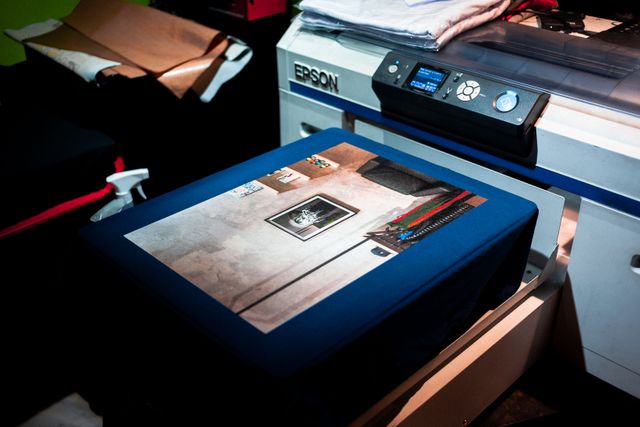
    The custom apparel industry has changed dramatically over the past decade. What once relied heavily on manual order taking, in-person consultations, and limited production capacity has now evolved into a technology-driven ecosystem. As customer demand grows for personalized clothing, faster delivery, and seamless ordering experiences, custom apparel businesses are increasingly turning to retail technology to manage higher order volumes without compromising quality.

    Retail technology is no longer just a support system for these businesses; it has become the backbone of their operations. From order management platforms to automated production workflows and customer-facing customization tools, technology is helping apparel providers scale efficiently while maintaining consistency. This shift is not only improving operational efficiency but also transforming the customer experience in meaningful ways.

    The Shift From Manual Processes to Digital Order Systems

    Custom apparel businesses traditionally relied on manual order entry systems, paper-based design approvals, and direct communication between customers and designers. While this approach worked for smaller volumes, it became difficult to manage as demand increased and customer expectations evolved. Mistakes in orders, delays in communication, and production bottlenecks were common challenges.

    With the introduction of digital order management systems, businesses have been able to centralize and streamline the entire process. Orders placed online are now automatically recorded, categorized, and forwarded to production teams without manual intervention. This reduces human error and ensures that every detail provided by the customer is accurately captured.

    Digital systems also allow businesses to handle multiple orders simultaneously without confusion. Instead of tracking each order separately through spreadsheets or paper records, everything is organized in a unified dashboard. This shift has significantly improved efficiency and allowed businesses to scale operations more effectively.

    How E-Commerce Platforms Are Powering Custom Apparel Growth

    E-commerce platforms have become a critical component in the growth of custom apparel businesses. They provide a structured environment where customers can browse products, customize designs, and place orders without needing direct assistance. This self-service model has reduced pressure on customer service teams while increasing order volume.

    These platforms often include built-in customization tools that allow users to select colors, upload designs, add text, and preview final products before purchase. This interactive experience not only improves customer satisfaction but also reduces the likelihood of order errors. Customers feel more confident in their purchases because they can see exactly what they are getting before completing the transaction.

    Additionally, e-commerce systems integrate seamlessly with payment gateways, inventory tracking, and production workflows. This integration ensures that once an order is placed, every part of the business is immediately notified and prepared to act. As a result, turnaround times are faster, and businesses can fulfill more orders in less time.

    Automation in Production and Workflow Management

    One of the most significant advancements in custom apparel businesses is the use of automation in production workflows. Once an order is confirmed, automated systems can generate production instructions, assign tasks to specific teams, and track progress in real time. This reduces the need for constant manual oversight and minimizes delays.

    Automation also helps businesses prioritize orders based on urgency, complexity, or delivery deadlines. For example, rush orders can be automatically flagged and moved to the front of the production queue. This ensures that customer expectations are met without disrupting the overall workflow.

    Improving Accuracy Through Automated Design Processing

    Design accuracy is crucial in the custom apparel industry. Even small mistakes in color, placement, or sizing can lead to customer dissatisfaction and product returns. Automated design processing tools help eliminate these risks by converting customer inputs directly into production-ready files.

    These systems ensure that design specifications are consistent and standardized across all orders. They also reduce dependency on manual interpretation, which is often a source of errors. As a result, businesses can maintain high-quality output even when handling large volumes of orders.

    Inventory Management Systems That Prevent Overproduction

    Managing inventory is one of the most challenging aspects of running a custom apparel business. Unlike standard retail models, custom apparel often involves a wide variety of designs, sizes, and materials. Without proper tracking systems, businesses can easily overproduce or run out of essential materials.

    Modern inventory management systems provide real-time visibility into stock levels. This allows businesses to make informed decisions about production planning and material procurement. When stock levels fall below a certain threshold, the system can trigger alerts or automatically initiate reordering processes.

    Reducing Waste Through Smarter Stock Control

    Efficient inventory management is not just about availability; it also plays a role in reducing waste. By analyzing order trends and predicting demand, retail technology helps businesses avoid overproduction. This is especially important in custom apparel, where unsold inventory cannot always be repurposed.

    Smarter stock control also supports sustainability efforts. By producing only what is needed and minimizing excess materials, businesses can reduce their environmental impact while maintaining profitability.

    Customer Relationship Tools That Improve Repeat Orders

    Customer relationship management systems are becoming increasingly important in the custom apparel industry. These tools store detailed customer information, including past orders, preferences, and communication history. This allows businesses to provide personalized experiences that encourage repeat purchases.

    When customers return to place new orders, businesses can quickly access their previous designs and preferences. This not only speeds up the ordering process but also creates a sense of familiarity and trust. Customers appreciate being recognized and having their preferences remembered.

    Personalization as a Driver of Customer Loyalty

    Personalization plays a major role in building long-term customer relationships. Retail technology allows businesses to offer tailored recommendations based on previous purchases and browsing behavior. This creates a more engaging shopping experience and increases the likelihood of repeat orders.

    By leveraging customer data effectively, businesses can also identify trends and anticipate future needs. This proactive approach helps them stay ahead of customer expectations and maintain a competitive edge in the market.

    Real-Time Order Tracking and Transparency

    Modern customers expect transparency throughout the ordering process. They want to know when their order is being processed, when it enters production, and when it will be delivered. Retail technology enables businesses to provide real-time tracking updates that keep customers informed at every stage.

    This level of transparency reduces customer anxiety and improves overall satisfaction. When customers can see exactly where their order is in the process, they are less likely to contact support teams for updates. This also reduces the workload on customer service departments.

    Strengthening Trust Through Communication

    Clear communication is essential for building trust in any business. Automated notifications and tracking updates ensure that customers are never left in the dark. Whether it is a confirmation message after placing an order or a delivery update, consistent communication helps create a positive customer experience.

    Businesses that prioritize transparency are more likely to retain customers and receive positive feedback. Trust is a key factor in the custom apparel industry, where product expectations are highly specific and personal.

    Scaling Operations Without Sacrificing Quality

    One of the biggest challenges for custom apparel businesses is scaling operations while maintaining quality. As order volumes increase, there is a risk that attention to detail may decrease. Retail technology helps solve this problem by standardizing processes and ensuring consistency across all stages of production.

    By automating repetitive tasks and centralizing data, businesses can focus more on quality control and customer satisfaction. This balance between efficiency and quality is essential for long-term success in a competitive market.

    Maintaining Consistency Across Large Order Volumes

    Consistency is critical in custom apparel, especially when fulfilling bulk orders for events, organizations, or businesses. Technology ensures that every item produced meets the same specifications, regardless of order size. This reduces variability and ensures that customers receive exactly what they expect.

    Quality control systems integrated into production workflows also help identify defects early in the process. This prevents flawed products from reaching customers and reduces the need for costly rework.

    Conclusion: Technology as the Future of Custom Apparel

    Retail technology has fundamentally transformed how custom apparel businesses operate. From order management and production automation to customer engagement and inventory control, every aspect of the industry is becoming more efficient and scalable.

    As customer expectations continue to rise, businesses that embrace technology will be better positioned to handle increasing order volumes while maintaining high standards of quality and service. The future of custom apparel lies in the seamless integration of creativity and technology, where personalization meets efficiency at scale.

    By adopting modern retail systems, businesses are not only improving their operations but also creating better experiences for their customers. This combination of efficiency, accuracy, and personalization is what will define success in the evolving custom apparel landscape.

  • How Retail Trends Are Influencing the Wedding Ring and Diamond Jewelry Market

    How Retail Trends Are Influencing the Wedding Ring and Diamond Jewelry Market

    The wedding ring and diamond jewelry market has long been shaped by tradition, craftsmanship, and personal significance. While these qualities remain at the heart of the industry, modern retail trends are changing how consumers discover, evaluate, and purchase jewelry. Today’s buyers have access to more information, more shopping channels, and more choices than ever before, creating new opportunities and challenges for jewelry retailers.

    From digital shopping experiences and personalization to shifting consumer expectations and evolving purchasing habits, retail trends are influencing nearly every stage of the customer journey. Businesses that understand these changes can better position themselves to meet customer needs while remaining competitive in a rapidly evolving marketplace.

    As the retail landscape continues to transform, wedding ring and diamond jewelry retailers must balance timeless appeal with modern consumer expectations.

    Consumers Are Spending More Time Researching Before Buying

    Purchasing a wedding ring or diamond jewelry piece is often one of the most significant buying decisions a consumer will make. Because of the financial investment and emotional importance involved, shoppers tend to conduct extensive research before making a purchase.

    Modern consumers compare styles, materials, pricing, craftsmanship, and customer reviews across multiple sources. Many begin their journey online long before visiting a showroom or speaking with a sales representative.

    This shift has increased the importance of providing detailed product information and educational resources. Customers want to understand what they are purchasing and feel confident in their decisions. Retailers that offer clear explanations and transparent information often help reduce uncertainty and build trust throughout the buying process.

    The research-driven nature of today’s consumers has made education a central component of successful jewelry retail strategies.

    Digital Shopping Has Expanded Customer Expectations

    The growth of e-commerce has influenced virtually every retail category, including wedding rings and diamond jewelry. While many consumers still appreciate the experience of viewing jewelry in person, digital channels now play a major role in product discovery and evaluation.

    Shoppers expect convenient access to product information, images, pricing details, and customer support regardless of when or where they are browsing. Many customers begin exploring options online before narrowing their selections and moving closer to a purchase.

    This shift does not necessarily replace physical retail experiences. Instead, it creates a more connected customer journey where digital and in-store interactions work together. Consumers may research online, visit a store for consultation, and then complete a purchase through whichever channel feels most convenient.

    Retailers that create seamless experiences across multiple touchpoints are often better equipped to meet evolving customer expectations.

    Personalization Is Becoming Increasingly Important

    One of the most influential retail trends affecting the wedding ring and diamond jewelry market is the growing demand for personalization.

    Modern consumers often seek products that reflect their individual preferences, styles, and personal stories. Wedding rings and diamond jewelry naturally lend themselves to customization because these purchases frequently carry deep emotional significance.

    Customers increasingly value the ability to explore different design options, materials, settings, and unique details that help create a more meaningful final product. Personalization allows buyers to feel more connected to their purchases while creating a sense of exclusivity.

    Retailers that support personalized experiences often strengthen customer engagement and differentiate themselves in competitive markets.

    Transparency Has Become a Competitive Advantage

    Trust plays a major role in jewelry purchasing decisions. Customers want confidence in the quality, value, and authenticity of their purchases.

    Retail trends show that consumers increasingly expect transparency regarding product details, pricing structures, sourcing practices, and craftsmanship. Buyers are more likely to ask questions and seek information before making commitments.

    Providing accurate and transparent information helps build credibility and reduces uncertainty during the decision-making process. Consumers appreciate businesses that communicate openly and help them make informed choices without unnecessary pressure.

    As access to information continues to expand, transparency has become an important factor influencing customer trust and long-term loyalty.

    Social Media Continues to Shape Product Discovery

    Social media platforms have become powerful tools for inspiration and product discovery within the wedding ring and diamond jewelry market.

    Many consumers encounter new styles, design ideas, and trends through social content before they begin actively shopping. Engagement announcements, wedding planning content, customer stories, and jewelry showcases often influence consumer preferences and purchasing decisions.

    Unlike traditional advertising, social platforms allow customers to see products in real-world contexts and gather opinions from other consumers. This visibility can help buyers feel more confident as they explore different options.

    For retailers, maintaining an active and authentic digital presence helps increase visibility while creating opportunities to engage with potential customers throughout the buying journey.

    Changing Consumer Preferences Are Expanding Product Variety

    Consumer tastes continue to evolve, creating demand for greater variety within the wedding ring and diamond jewelry market.

    While classic designs remain popular, many shoppers are also interested in unique styles that reflect their personalities and preferences. Retailers increasingly offer broader selections to accommodate diverse tastes and purchasing motivations.

    This trend has encouraged businesses to expand product assortments and provide options that appeal to different demographics, lifestyles, and aesthetic preferences.

    Offering variety helps retailers serve a wider audience while allowing customers to find products that align more closely with their individual vision and expectations.

    Customer Experience Is Influencing Purchase Decisions

    Product quality remains essential, but customer experience has become an increasingly important differentiator in retail.

    Consumers expect professional guidance, responsive communication, and a comfortable purchasing environment throughout the buying process. Wedding ring and diamond jewelry purchases often involve emotional considerations, making personalized support especially valuable.

    Customers want to feel informed rather than pressured. They appreciate businesses that take time to answer questions, explain options, and provide assistance tailored to their needs.

    A positive customer experience can influence purchasing decisions just as strongly as product selection or pricing. Retailers that prioritize service often generate stronger customer satisfaction and higher referral rates.

    Inventory Management Is Supporting Retail Agility

    Retail trends and changing consumer preferences can create fluctuations in demand across different jewelry categories. Effective inventory management has therefore become increasingly important for maintaining product availability while controlling costs.

    Retailers must balance having enough inventory to meet customer expectations without overcommitting resources to products that may move more slowly. Strong inventory practices help businesses respond more effectively to market shifts and emerging trends.

    Improved inventory visibility also supports better customer experiences by reducing the likelihood of stock shortages and fulfillment delays.

    As the jewelry market becomes more dynamic, operational efficiency plays a growing role in overall competitiveness.

    Online Reviews and Reputation Carry Significant Influence

    Consumers often rely on reviews and testimonials when evaluating jewelry retailers. Before making major purchases, many buyers seek reassurance from previous customers who have already completed similar transactions.

    Positive reviews help establish credibility and provide insight into product quality, customer service, and overall shopping experiences. A strong reputation can encourage prospective customers to move forward with greater confidence.

    Because wedding ring and diamond jewelry purchases are often highly personal and financially significant, trust becomes especially important. Retailers that consistently deliver positive experiences are more likely to earn favorable reviews and long-term customer loyalty.

    Managing reputation effectively has become a critical aspect of modern retail success.

    The Future of Wedding Ring and Diamond Jewelry Retail

    The wedding ring and diamond jewelry market continues to evolve as consumer expectations, technology, and retail practices change. While the emotional significance of these purchases remains constant, the way customers research, evaluate, and buy jewelry is becoming increasingly sophisticated.

    Retailers that embrace personalization, transparency, customer education, and seamless shopping experiences are often better positioned to succeed in this changing environment. At the same time, maintaining trust, craftsmanship, and exceptional service remains essential for long-term growth.

    As retail trends continue to shape the industry, successful jewelry businesses will likely be those that combine traditional values with modern customer expectations. By understanding how consumer behavior is evolving and adapting accordingly, retailers can strengthen relationships, improve customer experiences, and remain competitive in an increasingly dynamic marketplace.

  • Trust, Reputation, and Service: Shared Success Factors for Retailers and Personal Injury Attorneys

    Trust, Reputation, and Service: Shared Success Factors for Retailers and Personal Injury Attorneys

    Retail businesses and personal injury law firms may appear to have little in common. Retailers focus on selling products to consumers, while personal injury attorneys provide legal representation to individuals navigating complex claims and legal processes. Despite operating in different industries, both rely on the same fundamental drivers of long-term success: trust, reputation, and service.

    Consumers have more choices than ever before. Whether someone is purchasing a product from a retailer or selecting an attorney to handle an injury claim, they are often evaluating multiple options before making a decision. In both cases, the final choice is rarely based on price or convenience alone. Customers and clients want confidence that they are working with professionals who are reliable, knowledgeable, and committed to delivering a positive experience.

    As competition continues to increase across industries, businesses that consistently strengthen trust, build strong reputations, and deliver exceptional service are often the ones that achieve sustainable growth.

    Why Trust Is the Foundation of Every Customer Relationship

    Trust plays a critical role in nearly every purchasing decision. Consumers are naturally cautious when spending money, especially when the outcome of their decision may significantly affect their finances, personal well-being, or overall satisfaction.

    For retailers, trust influences whether customers feel comfortable making a purchase. Shoppers want confidence that products will meet expectations, transactions will be secure, and support will be available if issues arise.

    For personal injury attorneys, trust is even more significant because clients are often facing stressful situations involving injuries, medical expenses, lost income, and legal uncertainty. They need confidence that their attorney will represent their interests effectively and provide honest guidance throughout the process.

    Trust is rarely established through marketing alone. It develops through consistent actions, transparent communication, and positive experiences over time. Businesses and professionals that prioritize trust-building often create stronger relationships and higher levels of customer loyalty.

    First Impressions Can Shape Long-Term Outcomes

    The first interaction a consumer has with a business often influences how they perceive the entire experience.

    For retailers, first impressions may occur through a website, social media presence, physical store, advertising campaign, or customer review. For personal injury attorneys, potential clients may form opinions during an initial consultation, phone call, website visit, or online search.

    Consumers frequently make judgments based on professionalism, responsiveness, and the overall quality of these early interactions. A positive first impression can create confidence and encourage further engagement. A negative one may lead prospective customers or clients to continue exploring alternatives.

    Businesses that invest in creating positive initial experiences often improve their ability to convert interest into meaningful relationships.

    Reputation Has Become a Powerful Competitive Advantage

    In today’s digital environment, reputation is more visible than ever. Consumers regularly research businesses before making purchasing decisions, often relying on reviews, testimonials, ratings, and recommendations.

    For retailers, reputation can influence everything from product sales to customer retention. Shoppers frequently use reviews to evaluate product quality, service reliability, and overall customer satisfaction.

    Personal injury law firms experience similar dynamics. Prospective clients often examine reviews and testimonials to understand how attorneys have supported previous clients and managed legal matters.

    A strong reputation reduces perceived risk and helps consumers feel more comfortable moving forward. Positive feedback from others provides reassurance that a business or attorney has successfully delivered value in the past.

    Over time, a strong reputation becomes one of the most valuable assets an organization can possess.

    Transparency Helps Build Credibility

    Consumers increasingly expect honesty and transparency from the businesses and professionals they choose.

    Retail customers appreciate clear product information, straightforward pricing, and realistic expectations regarding shipping, returns, and warranties. Hidden fees or misleading information can quickly damage trust.

    Similarly, personal injury clients value attorneys who communicate openly about legal processes, timelines, potential outcomes, and case-related considerations. Honest communication helps clients understand what to expect and reduces unnecessary uncertainty.

    Transparency strengthens credibility because it demonstrates respect for the customer or client. Businesses that communicate clearly are often viewed as more trustworthy and professional.

    In competitive markets, transparency can help differentiate organizations that prioritize long-term relationships over short-term transactions.

    Service Quality Influences Every Stage of the Experience

    Excellent service extends far beyond the initial sale or consultation. It shapes every interaction throughout the customer journey.

    Retailers provide service through product support, order fulfillment, customer assistance, and post-purchase communication. Every touchpoint contributes to the overall perception of the business.

    Personal injury attorneys deliver service through legal guidance, communication, case management, and client advocacy. Clients often evaluate their experience based not only on legal outcomes but also on how they were treated throughout the process.

    High-quality service demonstrates professionalism and reinforces trust. It also creates opportunities to exceed expectations and strengthen long-term relationships.

    Organizations that consistently prioritize service often enjoy stronger customer satisfaction and greater loyalty.

    Communication Plays a Critical Role in Satisfaction

    Clear and timely communication is one of the most important elements of both retail and legal service experiences.

    Customers want updates regarding orders, support requests, and account-related matters. Delayed responses or unclear communication can quickly lead to frustration.

    Personal injury clients often have questions about legal procedures, documentation requirements, case progress, and next steps. Effective communication helps reduce anxiety and keeps clients informed throughout the process.

    Strong communication builds confidence because it shows that a business or professional values the relationship and respects the individual’s time and concerns.

    Whether interacting with shoppers or legal clients, organizations that communicate effectively are often more successful at maintaining positive relationships.

    Customer Experience Is Becoming a Key Differentiator

    Products and services can sometimes appear similar across competitors, making customer experience an increasingly important factor in decision-making.

    Retailers that provide convenient purchasing experiences, responsive support, and personalized interactions often stand out in crowded markets. Consumers remember how a business made them feel, not just what they purchased.

    Personal injury law firms face a similar challenge. Many prospective clients may not fully understand legal distinctions between firms, but they can recognize professionalism, empathy, responsiveness, and attention to detail.

    Creating positive experiences helps businesses and attorneys differentiate themselves in meaningful ways that go beyond pricing or marketing messages.

    Exceptional experiences also encourage repeat engagement and referrals.

    Referrals Are Built on Trust and Service

    Word-of-mouth recommendations remain among the most influential sources of new business across industries.

    Customers who have positive experiences with retailers often recommend products or businesses to friends and family members. Similarly, satisfied legal clients frequently refer others who may need representation in the future.

    Referrals occur when trust, reputation, and service come together successfully. People are unlikely to recommend organizations that fail to meet expectations or deliver inconsistent experiences.

    By focusing on relationship-building rather than simply completing transactions, businesses and law firms can create stronger referral networks that support long-term growth.

    Referrals also tend to generate highly qualified leads because they originate from trusted sources.

    Long-Term Success Depends on Consistency

    One positive interaction can create a favorable impression, but sustained success requires consistency.

    Retailers must consistently deliver quality products, dependable service, and positive customer experiences. Personal injury attorneys must consistently provide professional representation, clear communication, and reliable support.

    Consistency reinforces trust because it demonstrates reliability over time. Customers and clients want confidence that future interactions will be as positive as previous ones.

    Organizations that maintain high standards across every aspect of their operations often develop stronger reputations and more loyal customer bases.

    Consistency transforms individual transactions into lasting relationships.

    Shared Principles for Sustainable Growth

    Although retailers and personal injury attorneys serve different audiences and operate within distinct industries, they rely on many of the same principles to achieve success. Trust creates the foundation for relationships. Reputation influences decision-making and credibility. Service shapes experiences and encourages loyalty.

    These factors work together to support customer acquisition, retention, referrals, and long-term growth. Businesses and professionals that prioritize transparency, communication, and customer satisfaction often develop stronger competitive positions regardless of their industry.

    As consumers continue to gain access to more information and more choices, trust, reputation, and service will remain essential differentiators. Organizations that consistently invest in these areas are better positioned to build meaningful relationships, strengthen loyalty, and achieve sustainable success in increasingly competitive markets.

  • The Evolving Retail Landscape for Hair Care, Face Care, and Skin Care Products

    The beauty and personal care industry has undergone significant transformation over the past decade. Consumers today have access to more products, information, and purchasing channels than ever before, fundamentally changing how hair care, face care, and skin care products are marketed, sold, and experienced. Retailers that once relied primarily on physical storefronts now operate in a highly connected environment where digital engagement, personalized shopping experiences, and consumer education play increasingly important roles.

    As customer expectations continue to evolve, retailers must adapt to new purchasing behaviors while navigating changing trends, technological advancements, and growing competition. The businesses that successfully respond to these changes are often those that understand not only what consumers are buying, but also why they are making those choices.

    Consumer Expectations Are Reshaping the Market

    Modern consumers approach personal care purchases differently than previous generations. Rather than making decisions based solely on brand recognition or advertising, many shoppers conduct extensive research before purchasing products.

    Customers frequently compare ingredients, read reviews, watch demonstrations, and seek recommendations before committing to a purchase. This behavior reflects a broader shift toward informed decision-making and greater interest in understanding how products align with individual needs and preferences.

    For retailers, this means the shopping experience extends far beyond the point of sale. Providing clear product information, educational content, and helpful guidance has become increasingly important for supporting purchasing decisions.

    Consumers also expect greater convenience. They want the flexibility to browse, compare, purchase, and receive products through channels that fit their lifestyles. Retailers that make these processes seamless often have a competitive advantage in attracting and retaining customers.

    The Rise of Omnichannel Shopping Experiences

    The distinction between online and in-store shopping continues to blur. Many consumers move between multiple channels before making a purchase, researching products online before visiting a store or discovering products in person before completing a purchase digitally.

    This shift has encouraged retailers to create more integrated shopping experiences. Customers increasingly expect consistent product information, pricing, availability, and service regardless of where they interact with a business.

    For hair care, face care, and skin care products, omnichannel strategies are particularly important because many consumers prefer combining digital research with physical product exploration. Shoppers may want to read reviews online while also seeing product packaging, textures, or formulations in person before making a final decision.

    Retailers that connect these experiences effectively can create smoother customer journeys and improve overall satisfaction.

    Personalization Is Becoming a Key Competitive Advantage

    Personalization has become one of the most influential trends in beauty and personal care retail. Consumers increasingly seek products tailored to their individual concerns, preferences, and goals rather than relying on one-size-fits-all solutions.

    In the hair care category, customers may look for products designed for specific hair textures, conditions, or styling needs. Face care and skin care shoppers often search for solutions that address particular concerns while fitting into their daily routines.

    Retailers have responded by offering more personalized recommendations, customized shopping experiences, and educational resources that help customers identify suitable options.

    Personalization not only improves customer satisfaction but also helps build stronger relationships. When consumers feel that a retailer understands their needs, they are often more likely to return for future purchases and recommendations.

    Product Education Has Become More Important

    The growing complexity of personal care products has increased demand for consumer education. Many shoppers want to understand ingredients, application methods, product compatibility, and expected results before making purchasing decisions.

    This trend has transformed product education into an important component of retail strategy. Retailers now provide detailed descriptions, educational content, tutorials, and expert guidance to help customers navigate increasingly diverse product categories.

    Educational efforts also help build trust. Consumers are more likely to purchase from businesses that provide transparent information and support informed decision-making.

    As competition continues to grow, education can serve as a valuable differentiator that strengthens customer confidence and encourages long-term loyalty.

    Social Influence Continues to Shape Purchasing Decisions

    Social platforms have become a major force in the beauty and personal care industry. Consumers frequently discover new products through content creators, customer reviews, tutorials, and user-generated content.

    Unlike traditional advertising, social influence often feels more authentic because consumers can observe real experiences and opinions from other users. This dynamic has changed how products gain visibility and how retailers engage with potential customers.

    For retailers, maintaining a strong presence across relevant digital channels has become increasingly important. Social engagement not only supports product discovery but also creates opportunities for ongoing customer interaction and community building.

    The influence of social content highlights the importance of authenticity, transparency, and customer engagement in modern retail environments.

    Inventory and Supply Chain Management Are Growing Priorities

    As product assortments expand and consumer demand becomes more dynamic, inventory management has become increasingly important for retailers in the hair care, face care, and skin care sectors.

    Customers expect products to be available when they are ready to purchase. Stockouts can lead to lost sales and encourage shoppers to seek alternatives from competitors. At the same time, carrying excessive inventory can create financial and operational challenges.

    Retailers are increasingly focusing on demand forecasting, inventory visibility, and supply chain efficiency to balance product availability with cost management.

    Effective inventory management helps businesses respond more quickly to changing trends while maintaining customer satisfaction and operational stability.

    Sustainability Is Influencing Consumer Choices

    Sustainability has become an important consideration for many consumers when evaluating personal care products. Shoppers are paying closer attention to packaging, sourcing practices, manufacturing processes, and environmental impact.

    While purchasing decisions are still influenced by factors such as performance, price, and convenience, sustainability is becoming a larger part of the conversation across the beauty industry.

    Retailers have responded by increasing transparency and providing more information about product sourcing, packaging initiatives, and environmental commitments. Consumers often appreciate businesses that communicate these efforts clearly and honestly.

    As awareness continues to grow, sustainability considerations are likely to remain an important factor shaping future retail strategies.

    Technology Is Enhancing the Customer Experience

    Technological innovation continues to influence how consumers discover and purchase personal care products. Digital tools help shoppers compare products, access educational content, and receive personalized recommendations.

    Technology also supports retailers behind the scenes through improved inventory management, customer analytics, and operational efficiency. These capabilities allow businesses to respond more effectively to changing customer preferences and market conditions.

    For consumers, technology often simplifies the shopping process by making information more accessible and purchasing experiences more convenient.

    As retail technology continues to evolve, businesses that effectively integrate these tools into their operations may be better positioned to meet customer expectations and maintain competitiveness.

    Building Loyalty in a Crowded Marketplace

    The personal care market is highly competitive, with consumers frequently exposed to new products, trends, and purchasing options. In this environment, attracting customers is only part of the challenge. Retaining them is equally important.

    Customer loyalty is often built through a combination of product quality, positive experiences, reliable service, and ongoing engagement. Retailers that consistently deliver value are more likely to encourage repeat purchases and long-term relationships.

    Loyal customers often become advocates who share recommendations with friends, family, and online communities. These referrals can contribute significantly to sustainable business growth.

    Building loyalty requires ongoing effort, but it remains one of the most effective ways for retailers to differentiate themselves in a competitive market.

    Preparing for the Future of Beauty Retail

    The retail landscape for hair care, face care, and skin care products will continue to evolve as consumer expectations, technology, and market dynamics change. Businesses that remain adaptable and responsive will be better equipped to navigate future challenges and opportunities.

    Success will increasingly depend on understanding customer needs, delivering seamless shopping experiences, maintaining operational efficiency, and building meaningful relationships with consumers. Retailers must balance convenience, education, personalization, and trust while staying attuned to emerging trends and shifting preferences.

    As the industry moves forward, the retailers that thrive will likely be those that view change not as a disruption but as an opportunity to improve how they serve customers. By embracing innovation while maintaining a strong focus on customer experience, businesses can position themselves for long-term success in an increasingly competitive and dynamic marketplace.

  • How Smarter Inventory Management Helps Retailers Stay Competitive in a Changing Market

    How Smarter Inventory Management Helps Retailers Stay Competitive in a Changing Market

    The retail industry has always been shaped by changing consumer preferences, economic conditions, and technological advancements. Today, however, the pace of change is faster than ever. Customers expect products to be available when they want them, whether they are shopping in-store, online, or through a combination of both. At the same time, retailers face ongoing challenges related to supply chain disruptions, rising operational costs, and increasingly competitive markets.

    In this environment, inventory management has become one of the most important factors influencing retail success. Retailers can no longer rely solely on traditional stock management methods that focus only on keeping shelves full. Instead, they must adopt smarter inventory management practices that improve visibility, reduce waste, optimize cash flow, and support a better customer experience.

    Businesses that manage inventory effectively are often better positioned to adapt to market changes, respond to consumer demand, and maintain profitability even during periods of uncertainty. As competition continues to evolve, smarter inventory management is becoming a critical tool for long-term retail success.

    The Growing Importance of Inventory Management in Modern Retail

    Inventory represents one of the largest investments for many retailers. Every product sitting on a shelf or in a warehouse ties up capital that could otherwise be used for growth initiatives, marketing efforts, or operational improvements.

    At the same time, inventory is directly connected to customer satisfaction. If a product is unavailable when a customer wants to purchase it, that customer may simply buy from a competitor. Retailers must therefore balance the need to maintain sufficient stock while avoiding excessive inventory levels that create unnecessary costs.

    Smarter inventory management helps retailers achieve this balance by providing greater visibility into inventory movement, demand trends, and purchasing requirements. Rather than making decisions based solely on experience or assumptions, businesses can use data and operational insights to guide inventory planning.

    As customer expectations continue to rise, effective inventory management has become an essential component of retail competitiveness.

    Responding Faster to Changing Consumer Demand

    Consumer preferences can change rapidly. Trends emerge quickly, seasonal buying patterns shift, and external events can significantly influence purchasing behavior.

    Retailers that rely on outdated inventory practices may struggle to respond to these changes. Overstocking products that are losing popularity or understocking high-demand items can lead to missed sales opportunities and reduced profitability.

    Smarter inventory management allows retailers to monitor sales patterns more closely and identify changes in demand as they occur. Historical sales data, seasonal trends, and purchasing behavior can help businesses anticipate future demand more accurately.

    When retailers understand which products are gaining momentum and which products are slowing down, they can adjust purchasing decisions accordingly. This flexibility enables businesses to stay aligned with customer needs while minimizing inventory-related risks.

    Reducing Stockouts and Lost Sales Opportunities

    One of the most common challenges retailers face is the stockout. When customers cannot find the products they want, the immediate result is often a lost sale. In many cases, the customer may also lose confidence in the retailer’s ability to meet their needs.

    Frequent stockouts can damage customer loyalty and encourage shoppers to seek alternatives elsewhere. This issue becomes even more significant in highly competitive markets where consumers have numerous purchasing options available.

    Smarter inventory management helps reduce stockouts by improving inventory visibility and demand forecasting. Retailers can identify products that require replenishment before shortages occur and maintain appropriate stock levels based on actual sales activity.

    By keeping popular products available without carrying excessive inventory, retailers can improve customer satisfaction while maximizing revenue opportunities.

    Improving Cash Flow Through Better Inventory Control

    Inventory that sits unsold for long periods can place significant pressure on a retailer’s finances. Excess stock ties up valuable capital, occupies storage space, and increases carrying costs.

    Smarter inventory management helps retailers optimize stock levels so that inventory investments are aligned more closely with customer demand. Instead of purchasing large quantities based on assumptions, businesses can make more informed buying decisions supported by data and sales trends.

    Better inventory control also reduces the likelihood of markdowns and clearance sales that erode profit margins. When inventory levels are managed effectively, retailers can maintain healthier pricing strategies and improve overall financial performance.

    Strong cash flow provides greater flexibility to invest in growth initiatives, expand product offerings, and respond to changing market conditions.

    Enhancing the Customer Experience

    Customer expectations continue to evolve as shoppers become accustomed to fast, convenient purchasing experiences. Whether customers visit a physical store or browse online, they expect accurate product availability information and reliable fulfillment.

    Inventory management plays a major role in meeting these expectations. When retailers have a clear understanding of inventory levels, they can provide more accurate information regarding product availability, delivery timelines, and order fulfillment.

    Customers are more likely to return to retailers that consistently deliver on their promises. Reliable inventory management helps create positive shopping experiences by reducing delays, minimizing cancellations, and ensuring products are available when needed.

    In a competitive marketplace, customer experience often becomes a key differentiator, making inventory accuracy more valuable than ever.

    Managing Multiple Sales Channels Effectively

    Many retailers now operate across multiple sales channels, including physical stores, e-commerce websites, marketplaces, and social commerce platforms. While these channels create additional revenue opportunities, they also increase inventory complexity.

    Without proper inventory oversight, businesses may encounter situations where products appear available online but are actually out of stock, leading to customer frustration and fulfillment challenges.

    Smarter inventory management supports greater coordination across sales channels by providing a unified view of inventory availability. Retailers can monitor stock levels more effectively and allocate inventory based on demand across different channels.

    This integrated approach helps prevent overselling, improves fulfillment accuracy, and creates a more seamless customer experience regardless of how customers choose to shop.

    Minimizing Waste and Excess Inventory

    Carrying excessive inventory creates numerous challenges for retailers. Products may become outdated, seasonal merchandise can lose relevance, and storage costs continue to accumulate.

    Smarter inventory management focuses on maintaining optimal stock levels rather than simply increasing inventory quantities. By understanding product performance and purchasing patterns, retailers can reduce excess inventory while maintaining product availability.

    This approach is particularly valuable for businesses dealing with seasonal goods, trend-driven merchandise, or products with limited shelf life. Reducing waste helps improve profitability while supporting more sustainable business practices.

    Retailers that minimize excess inventory are often more agile and better prepared to adapt to changing market conditions.

    Strengthening Supply Chain Resilience

    Recent years have highlighted the importance of supply chain resilience. Disruptions caused by transportation issues, supplier challenges, economic fluctuations, and unexpected events have demonstrated how quickly inventory shortages can impact retail operations.

    Smarter inventory management helps retailers prepare for uncertainty by providing greater visibility into inventory levels, supplier performance, and replenishment timelines.

    Businesses that understand their inventory requirements and supply chain dependencies can make more informed decisions when disruptions occur. They may identify alternative sourcing options, adjust purchasing strategies, or prioritize critical inventory categories.

    Improved inventory planning helps retailers remain operational and continue serving customers even during periods of market volatility.

    Leveraging Data for Better Business Decisions

    Modern inventory management generates valuable data that can support broader business decision-making. Inventory information provides insights into customer preferences, product performance, purchasing behavior, and operational efficiency.

    Retailers can use this information to identify best-selling products, evaluate underperforming inventory, optimize pricing strategies, and improve purchasing decisions. Data-driven insights also help businesses identify opportunities for expansion and growth.

    Instead of relying solely on intuition, retailers can make strategic decisions based on measurable performance indicators. This approach often leads to more consistent outcomes and stronger long-term results.

    As retail competition becomes increasingly data-driven, businesses that effectively leverage inventory information gain a significant advantage.

    Building a More Competitive Retail Business

    Competition in the retail sector continues to intensify as customers gain access to more shopping options and higher service expectations. Success increasingly depends on operational efficiency as much as product selection and marketing efforts.

    Smarter inventory management provides retailers with the tools needed to improve efficiency, reduce costs, and deliver better customer experiences. From demand forecasting and stock optimization to multi-channel coordination and supply chain resilience, inventory management influences nearly every aspect of retail performance.

    Retailers that invest in stronger inventory practices are often better equipped to respond to market changes, manage uncertainty, and capitalize on new opportunities. By maintaining the right products at the right time while controlling costs and improving service quality, businesses can strengthen their competitive position in an evolving marketplace.

    As the retail landscape continues to change, smarter inventory management will remain a key factor separating businesses that adapt successfully from those that struggle to keep pace. Companies that prioritize inventory visibility, operational agility, and data-driven decision-making will be better prepared to meet customer expectations and achieve sustainable growth in the years ahead.

  • The Evolving Retail Landscape for Hair Care, Face Care, and Skin Care Products

    The Evolving Retail Landscape for Hair Care, Face Care, and Skin Care Products

    The beauty and personal care industry has undergone significant transformation over the past decade. Consumers today have access to more products, information, and purchasing channels than ever before, fundamentally changing how hair care, face care, and skin care products are marketed, sold, and experienced. Retailers that once relied primarily on physical storefronts now operate in a highly connected environment where digital engagement, personalized shopping experiences, and consumer education play increasingly important roles.

    As customer expectations continue to evolve, retailers must adapt to new purchasing behaviors while navigating changing trends, technological advancements, and growing competition. The businesses that successfully respond to these changes are often those that understand not only what consumers are buying, but also why they are making those choices.

    Consumer Expectations Are Reshaping the Market

    Modern consumers approach personal care purchases differently than previous generations. Rather than making decisions based solely on brand recognition or advertising, many shoppers conduct extensive research before purchasing products.

    Customers frequently compare ingredients, read reviews, watch demonstrations, and seek recommendations before committing to a purchase. This behavior reflects a broader shift toward informed decision-making and greater interest in understanding how products align with individual needs and preferences.

    For retailers, this means the shopping experience extends far beyond the point of sale. Providing clear product information, educational content, and helpful guidance has become increasingly important for supporting purchasing decisions.

    Consumers also expect greater convenience. They want the flexibility to browse, compare, purchase, and receive products through channels that fit their lifestyles. Retailers that make these processes seamless often have a competitive advantage in attracting and retaining customers.

    The Rise of Omnichannel Shopping Experiences

    The distinction between online and in-store shopping continues to blur. Many consumers move between multiple channels before making a purchase, researching products online before visiting a store or discovering products in person before completing a purchase digitally.

    This shift has encouraged retailers to create more integrated shopping experiences. Customers increasingly expect consistent product information, pricing, availability, and service regardless of where they interact with a business.

    For hair care, face care, and skin care products, omnichannel strategies are particularly important because many consumers prefer combining digital research with physical product exploration. Shoppers may want to read reviews online while also seeing product packaging, textures, or formulations in person before making a final decision.

    Retailers that connect these experiences effectively can create smoother customer journeys and improve overall satisfaction.

    Personalization Is Becoming a Key Competitive Advantage

    Personalization has become one of the most influential trends in beauty and personal care retail. Consumers increasingly seek products tailored to their individual concerns, preferences, and goals rather than relying on one-size-fits-all solutions.

    In the hair care category, customers may look for products designed for specific hair textures, conditions, or styling needs. Face care and skin care shoppers often search for solutions that address particular concerns while fitting into their daily routines.

    Retailers have responded by offering more personalized recommendations, customized shopping experiences, and educational resources that help customers identify suitable options.

    Personalization not only improves customer satisfaction but also helps build stronger relationships. When consumers feel that a retailer understands their needs, they are often more likely to return for future purchases and recommendations.

    Product Education Has Become More Important

    The growing complexity of personal care products has increased demand for consumer education. Many shoppers want to understand ingredients, application methods, product compatibility, and expected results before making purchasing decisions.

    This trend has transformed product education into an important component of retail strategy. Retailers now provide detailed descriptions, educational content, tutorials, and expert guidance to help customers navigate increasingly diverse product categories.

    Educational efforts also help build trust. Consumers are more likely to purchase from businesses that provide transparent information and support informed decision-making.

    As competition continues to grow, education can serve as a valuable differentiator that strengthens customer confidence and encourages long-term loyalty.

    Social Influence Continues to Shape Purchasing Decisions

    Social platforms have become a major force in the beauty and personal care industry. Consumers frequently discover new products through content creators, customer reviews, tutorials, and user-generated content.

    Unlike traditional advertising, social influence often feels more authentic because consumers can observe real experiences and opinions from other users. This dynamic has changed how products gain visibility and how retailers engage with potential customers.

    For retailers, maintaining a strong presence across relevant digital channels has become increasingly important. Social engagement not only supports product discovery but also creates opportunities for ongoing customer interaction and community building.

    The influence of social content highlights the importance of authenticity, transparency, and customer engagement in modern retail environments.

    Inventory and Supply Chain Management Are Growing Priorities

    As product assortments expand and consumer demand becomes more dynamic, inventory management has become increasingly important for retailers in the hair care, face care, and skin care sectors.

    Customers expect products to be available when they are ready to purchase. Stockouts can lead to lost sales and encourage shoppers to seek alternatives from competitors. At the same time, carrying excessive inventory can create financial and operational challenges.

    Retailers are increasingly focusing on demand forecasting, inventory visibility, and supply chain efficiency to balance product availability with cost management.

    Effective inventory management helps businesses respond more quickly to changing trends while maintaining customer satisfaction and operational stability.

    Sustainability Is Influencing Consumer Choices

    Sustainability has become an important consideration for many consumers when evaluating personal care products. Shoppers are paying closer attention to packaging, sourcing practices, manufacturing processes, and environmental impact.

    While purchasing decisions are still influenced by factors such as performance, price, and convenience, sustainability is becoming a larger part of the conversation across the beauty industry.

    Retailers have responded by increasing transparency and providing more information about product sourcing, packaging initiatives, and environmental commitments. Consumers often appreciate businesses that communicate these efforts clearly and honestly.

    As awareness continues to grow, sustainability considerations are likely to remain an important factor shaping future retail strategies.

    Technology Is Enhancing the Customer Experience

    Technological innovation continues to influence how consumers discover and purchase personal care products. Digital tools help shoppers compare products, access educational content, and receive personalized recommendations.

    Technology also supports retailers behind the scenes through improved inventory management, customer analytics, and operational efficiency. These capabilities allow businesses to respond more effectively to changing customer preferences and market conditions.

    For consumers, technology often simplifies the shopping process by making information more accessible and purchasing experiences more convenient.

    As retail technology continues to evolve, businesses that effectively integrate these tools into their operations may be better positioned to meet customer expectations and maintain competitiveness.

    Building Loyalty in a Crowded Marketplace

    The personal care market is highly competitive, with consumers frequently exposed to new products, trends, and purchasing options. In this environment, attracting customers is only part of the challenge. Retaining them is equally important.

    Customer loyalty is often built through a combination of product quality, positive experiences, reliable service, and ongoing engagement. Retailers that consistently deliver value are more likely to encourage repeat purchases and long-term relationships.

    Loyal customers often become advocates who share recommendations with friends, family, and online communities. These referrals can contribute significantly to sustainable business growth.

    Building loyalty requires ongoing effort, but it remains one of the most effective ways for retailers to differentiate themselves in a competitive market.

    Preparing for the Future of Beauty Retail

    The retail landscape for hair care, face care, and skin care products will continue to evolve as consumer expectations, technology, and market dynamics change. Businesses that remain adaptable and responsive will be better equipped to navigate future challenges and opportunities.

    Success will increasingly depend on understanding customer needs, delivering seamless shopping experiences, maintaining operational efficiency, and building meaningful relationships with consumers. Retailers must balance convenience, education, personalization, and trust while staying attuned to emerging trends and shifting preferences.

    As the industry moves forward, the retailers that thrive will likely be those that view change not as a disruption but as an opportunity to improve how they serve customers. By embracing innovation while maintaining a strong focus on customer experience, businesses can position themselves for long-term success in an increasingly competitive and dynamic marketplace.

  • How Retail Injury Victims Can Find the Right Legal Help After an Accident

    How Retail Injury Victims Can Find the Right Legal Help After an Accident

    Understanding What a Retail Injury Claim Usually Involves

    A retail injury can happen in many everyday places, including grocery stores, shopping centers, department stores, pharmacies, beauty stores, and other public businesses. These accidents may involve wet floors, uneven surfaces, falling merchandise, broken stairs, poor lighting, crowded walkways, or unsafe displays. For the injured person, the situation can feel confusing because the accident happened on someone else’s property, but the medical bills, pain, and stress become their problem immediately.

    Retail injury cases often fall under premises liability, which means the property owner, store operator, or another responsible party may be held accountable if unsafe conditions caused the accident. However, not every accident automatically becomes a valid legal claim. The injured person usually needs to show that a dangerous condition existed, that the store knew or should have known about it, and that the condition directly caused the injury.

    This is why finding the right legal help matters. A lawyer who handles retail injury cases can review what happened, identify who may be responsible, and explain whether the injured person has a strong claim. Instead of guessing what to do next, injury victims can get clear guidance based on the details of their accident.

    Why Retail Injury Victims Should Act Quickly

    After an accident in a store or shopping area, timing can make a big difference. Evidence can disappear quickly. A spill may be cleaned, damaged flooring may be repaired, security camera footage may be deleted, and witnesses may become harder to contact. If the injured person waits too long, it may become more difficult to prove what caused the accident.

    Retail injury victims should try to document the scene as soon as possible. Photos of the hazard, the surrounding area, visible injuries, and any warning signs can be useful later. If there were witnesses, their names and contact details may also help. The injured person should also report the accident to the store manager and ask for a copy or record of the incident report if possible.

    Medical care is also important. Some injuries feel minor at first but become worse later, especially back, neck, head, knee, or shoulder injuries. Seeing a doctor creates a medical record that connects the injury to the accident. When a lawyer reviews the case, these records can help show the seriousness of the injury and the treatment needed.

    What Kind of Legal Help Is Best for Retail Injury Cases?

    Not every lawyer handles the same type of case. A retail injury victim should look for legal help from someone who works with personal injury and premises liability matters. This experience is important because retail injury claims often involve store policies, inspection records, surveillance footage, cleaning logs, employee statements, insurance companies, and property ownership questions.

    The right legal help should be able to explain the process in simple terms. Injury victims should not feel pressured or confused during the first conversation. A good lawyer will ask questions about where the accident happened, what caused it, whether the store was notified, what injuries occurred, and what medical treatment has been received.

    Retail injury victims should also pay attention to communication. The lawyer or legal team should be responsive, organized, and clear about what information they need. Since injury claims can take time, it is important to work with someone who keeps the client updated instead of leaving them unsure about the status of their case.

    Questions to Ask Before Choosing a Lawyer

    Before deciding who to hire, retail injury victims should ask a few practical questions. These questions can help them understand whether the lawyer is a good fit for their situation.

    A victim may ask whether the lawyer has handled slip and fall, trip and fall, falling object, or retail store injury cases before. They can also ask how the lawyer usually investigates these claims and what kind of evidence may be needed. Another important question is how fees work. Many personal injury lawyers work on a contingency fee basis, meaning they only get paid if compensation is recovered, but the client should still understand the terms clearly.

    It is also helpful to ask who will handle the case day to day. Sometimes a person speaks with one lawyer during the consultation but mainly communicates with staff afterward. That is not always a problem, but the client should know what to expect. Clear expectations from the start can prevent frustration later.

    Why Insurance Companies Should Be Handled Carefully

    After a retail accident, an insurance company may contact the injured person. They may ask for a statement, medical information, or details about the accident. While this may seem routine, injury victims should be careful. Insurance companies often look for ways to limit what they pay, and a simple statement can sometimes be used against the injured person later.

    This does not mean every insurance conversation is harmful, but it does mean victims should understand their rights before speaking in detail. A lawyer can help manage communication with the insurance company and make sure the claim is presented properly. This can protect the injured person from saying something that may be misunderstood or taken out of context.

    Legal help is also useful when reviewing settlement offers. An early offer may seem helpful, especially when medical bills are piling up, but it may not reflect future treatment, lost wages, pain, or long-term effects. A lawyer can help determine whether an offer is fair based on the full impact of the accident.

    What Evidence Can Help a Retail Injury Claim?

    Evidence is one of the most important parts of a retail injury case. The stronger the evidence, the easier it may be to show what happened and why the store or property owner may be responsible. Useful evidence can include photos, videos, witness statements, incident reports, medical records, store surveillance footage, cleaning schedules, maintenance records, and proof of lost income.

    For example, if someone slipped on a wet floor, evidence may show whether there was a warning sign nearby, how long the spill had been there, and whether employees should have noticed it sooner. If someone was hurt by falling merchandise, the investigation may look at how the shelves were stocked, whether the display was unsafe, and whether similar problems had happened before.

    A lawyer can help request and preserve evidence before it disappears. This is one of the main reasons retail injury victims should not delay getting legal guidance. Waiting too long can make the case harder to prove, even if the injury was serious.

    Choosing Legal Help That Feels Trustworthy

    Retail injury victims should feel comfortable with the legal help they choose. The lawyer should listen carefully, explain the claim process, and give honest feedback about the strengths and challenges of the case. A trustworthy lawyer will not promise a specific result just to win the client’s trust. Instead, they will explain what can be done and what factors may affect the outcome.

    The injured person should also look for a lawyer who treats the case seriously. Retail accidents can sometimes be dismissed as minor, but injuries from falls or unsafe store conditions can affect someone’s ability to work, care for family, drive, sleep, or manage daily routines. The right legal help understands that the case is not just about paperwork. It is about how the accident changed the person’s life.

    Online reviews, referrals, consultation calls, and case experience can all help a person make a better choice. However, the final decision should be based on both qualifications and comfort level. The client should feel that the legal team is capable, clear, and respectful.

    Moving Forward After a Retail Accident

    Finding the right legal help after a retail accident can make the recovery process less overwhelming. Injury victims may be dealing with pain, medical appointments, missed work, and uncertainty about what comes next. A lawyer who understands retail injury claims can help organize the case, deal with insurance companies, gather evidence, and explain the available options.

    The most important step is not to ignore the situation. Even if the accident seems simple, the legal and insurance process can become complicated. Getting advice early can help the injured person avoid mistakes and protect their claim.

    Retail injury victims deserve clear answers after an accident. With the right legal help, they can better understand their rights, build a stronger case, and focus more on healing while the legal process is handled with care.

  • From Sessions to Journeys: Applying Retail Strategy to Elevate Float Therapy and Wellness Experiences

    From Sessions to Journeys: Applying Retail Strategy to Elevate Float Therapy and Wellness Experiences

    Float therapy and wellness businesses have traditionally been positioned around a clear promise: relief, rest, and reset. A client books a session, arrives hoping to decompress, steps into a carefully controlled environment, and leaves feeling calmer, lighter, or more mentally clear. That core value still matters, and it likely always will. But in a more competitive wellness market, the session itself is no longer the only thing shaping whether a business stands out, earns loyalty, or becomes part of a client’s routine.

    Today’s clients do not judge wellness experiences in isolation. They compare them to the best experiences they have anywhere. They compare them to premium retail environments, hospitality brands, personalized beauty services, thoughtful fitness studios, and seamless digital experiences that make people feel welcomed, understood, and cared for at every stage. That means float therapy businesses are no longer competing only on the quality of the float room, the atmosphere of the center, or the claimed wellness benefits. They are also competing on how the overall journey feels.

    This is where retail strategy becomes so valuable. Retail businesses have spent years learning how to guide customers through discovery, remove hesitation, personalize choices, increase perceived value, and create a relationship that extends beyond one visit. When float therapy and wellness businesses apply these same principles, they stop thinking only in terms of isolated sessions and start designing complete client journeys. That shift can transform not just the way the service is marketed, but also the way it is experienced, remembered, and repurchased.

    Why the wellness session alone is no longer enough

    For a long time, many wellness businesses relied on the power of the service itself. The assumption was understandable. If the experience delivered real relaxation, mental clarity, stress relief, or physical ease, people would return. While that is still partly true, it is no longer the full picture. Many potential clients are curious about wellness services but hesitant. They may be interested in float therapy, but unsure what it actually feels like. They may wonder whether it will be uncomfortable, too unfamiliar, or not worth the cost. They may have questions they never ask because the business has not made discovery easy enough.

    This means the real challenge is not only delivering a good session. It is helping the client move from uncertainty to trust before the session ever begins. A business may offer a deeply restorative experience, but if the path to booking feels vague, intimidating, or overly clinical, many people will never get far enough to find out. On the other hand, a business that presents the experience clearly, answers unspoken concerns, and makes the process feel easy can win trust faster even before the actual service takes place.

    Retail strategy helps solve this problem because it understands that people do not simply buy outcomes. They also buy confidence. They buy clarity. They buy emotional reassurance. Float therapy businesses that apply retail thinking begin to understand that the journey into the service matters almost as much as the service itself.

    The client experience starts before the first session

    One of the most important lessons from retail is that the experience starts long before the product is used. In a wellness setting, this changes everything. Many businesses still think the experience begins when the client walks through the door, but in reality it starts much earlier. It starts when the person first hears about float therapy, lands on the website, reads a description, looks at the space, or wonders whether the service is right for them.

    At that stage, the business is already shaping the outcome. Is the service explained in a way that feels inviting rather than mysterious. Is the booking process smooth or confusing. Does the business speak to beginners or only to people already familiar with wellness culture. Does the messaging reduce anxiety or accidentally increase it. These questions matter because first-time wellness clients often need guidance more than persuasion.

    A strong retail mindset treats these early moments as part of the product. It does not leave education to chance. It does not assume curiosity will automatically turn into confidence. Instead, it actively creates a pathway that helps potential clients feel safe, informed, and excited. This is especially important in float therapy, where the unfamiliar nature of the experience can create hesitation that a standard promotional message may not overcome.

    Discovery should feel welcoming, not niche or intimidating

    Many wellness businesses unintentionally narrow their audience by speaking in ways that feel too insider-focused, too abstract, or too intense. That can make the service seem more exclusive than accessible. Retail strategy offers a better approach. It frames the service around what the client is feeling and what they want help with, not just what the business wants to explain.

    A first-time client may not search for sensory reduction or parasympathetic activation. They may simply feel mentally overloaded, physically tense, emotionally tired, or unable to slow down. When a float therapy business connects with that lived reality, it becomes much easier for someone to imagine booking. The service feels relevant to real life instead of being presented as a specialized ritual only certain people understand.

    This shift matters because retail businesses succeed by making discovery easier. They help customers see themselves in the experience. Wellness businesses that do the same can widen their appeal without watering down their service. They can remain thoughtful and high quality while becoming far easier to approach.

    Moving from transactions to guided wellness journeys

    Retail businesses know that one purchase is not the whole story. Their goal is to guide people into an ongoing relationship. Float therapy and wellness centers can benefit enormously from this mindset. Instead of thinking only about how to sell a session, they can think about how to introduce someone into a broader personal journey of recovery, regulation, rest, and renewal.

    That does not mean becoming overly dramatic or forcing a long-term commitment before trust is built. It simply means understanding that many clients do not want a disconnected wellness purchase. They want progress. They want to feel better over time. They want support in building a rhythm that actually fits their life. A single float session may help, but the real opportunity often lies in creating a pathway that helps people understand what ongoing value might look like for them.

    Retail strategy is powerful here because it knows how to structure journeys. It knows how to move someone from first-time curiosity to repeat engagement by designing experiences that feel clear, relevant, and rewarding. For float therapy businesses, this could mean reframing the service not as a one-off indulgence, but as part of a larger, more meaningful wellness rhythm. When that is done well, the business becomes easier to return to because clients understand where they are going, not just what they are buying today.

    Personalization increases trust and perceived value

    In strong retail environments, people feel like the experience is tailored to them. That does not always require customization at a technical level. Often, it begins with better questions and better framing. In float therapy and wellness, personalization can make a major difference because people arrive with different needs, comfort levels, and emotional states.

    Some clients want stress relief after an overwhelming work cycle. Some are seeking a better way to recover mentally and physically. Some want quiet because they feel overstimulated all the time. Others are simply curious and need reassurance more than anything else. Treating all of them the same can make the experience feel generic. Guiding them differently based on what brought them in makes the business feel more attentive and more valuable.

    This is one of the most important retail lessons wellness brands can borrow. People are more likely to trust a business that seems to understand them. When a client feels understood, the session becomes more than a service. It becomes something that fits their life. That fit is what drives retention.

    The environment should feel curated, not merely functional

    Float therapy already has a sensory component, so environment matters deeply. But retail strategy reminds businesses that atmosphere is not accidental. It is designed. Every detail influences how people feel before, during, and after the experience. That includes sound, scent, lighting, signage, layout, pace, tone of communication, and even the emotional rhythm of arrival and departure.

    Too many service businesses think of space only in functional terms. Is it clean. Is it usable. Is it efficient. Those things matter, but they are only the baseline. A curated experience goes further. It considers whether the client feels grounded on arrival, calm during transition moments, and respected throughout the full visit. In wellness, these details are not just aesthetic extras. They are part of the product itself because they shape the nervous system response people came in hoping to experience.

    Retail businesses have long understood how environment affects perceived quality. The same is true in float therapy. A calm, thoughtful, well-orchestrated atmosphere can increase trust before the client even enters the session space. It signals that the business is intentional. That sense of intention raises perceived value and helps the whole journey feel more premium.

    The role of staff changes when the business thinks like retail

    In a purely service-based mindset, staff may be seen mainly as operational support. They greet the client, explain the process, answer questions, and manage logistics. In a retail-informed mindset, staff play a much deeper role. They become guides. They help shape first impressions, reduce hesitation, create comfort, and make the experience feel human rather than procedural.

    This matters especially in float therapy because many clients arrive with quiet uncertainty. Even if they do not say it directly, they may be wondering whether they will do it correctly, whether they will feel claustrophobic, whether they will relax enough, or whether the experience will feel awkward. A staff member who understands how to guide rather than just instruct can completely change how the client experiences the visit.

    Retail strategy treats these interactions with seriousness because they influence whether people come back. Clients often remember how a place made them feel just as much as what it technically offered. In wellness, where vulnerability and trust matter more than in many other industries, that human layer is especially powerful.

    Education should reduce hesitation, not overload the client

    There is a difference between helping and overexplaining. Some wellness businesses lean so heavily into teaching that they make the experience feel mentally demanding before it even begins. Others explain too little and leave first-time clients uncertain. Retail strategy offers a middle path. It focuses on giving people the information they need at the moment they need it.

    For float therapy, that means explaining the experience in a way that is calming, practical, and reassuring. It means anticipating beginner concerns without making them feel abnormal. It means framing the service as something the client can ease into rather than perform correctly. This kind of education increases comfort because it reduces fear without increasing pressure.

    Good retail experiences do this all the time. They help the customer feel capable. Wellness businesses that adopt the same approach are more likely to convert first-timers into repeat visitors because the barrier to entry feels much lower.

    After the session is where loyalty often begins

    Many businesses focus intensely on getting the booking and delivering the session, but then do very little after the visit ends. Retail strategy shows why this is a missed opportunity. The period after the purchase is often where loyalty forms. That is when the customer decides whether the business feels finished with them or still invested in their experience.

    In float therapy and wellness, post-session communication can be especially meaningful. Clients may leave feeling relaxed, emotional, thoughtful, or pleasantly surprised. They may also have questions about what they experienced or whether certain reactions are normal. A thoughtful follow-up can validate the experience, extend care beyond the session, and make the business feel more trustworthy.

    This does not require being intrusive. It simply means acknowledging that the session is part of a journey, not a sealed transaction. A business that follows up well is more likely to stay in the client’s mind and more likely to be seen as a place worth returning to. Retail brands understand this deeply. Wellness brands can benefit from applying the same logic.

    Memberships and repeat visits feel different when framed as progression

    One reason some wellness businesses struggle with repeat visits is that they present ongoing engagement too mechanically. They talk about packages, credits, or recurring sessions in a way that feels like a payment structure rather than a wellness path. Retail strategy helps reframe this. Instead of asking clients to buy more sessions, it helps the business show how continued engagement creates a deeper or more stable benefit.

    That shift matters because most people do not want to feel sold to, especially in wellness. They want to feel supported. They want to understand why returning makes sense for them personally. If the business presents repetition as progression rather than simply as frequency, the relationship feels more purposeful.

    Retail brands are skilled at helping customers see the next step. They do not leave the person stranded after the first purchase. They show how the next experience connects naturally to the last one. Float therapy businesses that do this well can build more predictable retention without making the brand feel pushy or overly commercial.

    Wellness journeys should feel flexible, not rigid

    People are often drawn to wellness because their lives already feel too rigid, too pressured, or too overloaded. That is why a retail-informed wellness strategy must remain flexible. The journey should feel guided, not imposed. Clients should sense that the business can support different rhythms, different goals, and different comfort levels.

    This is where thoughtful segmentation can matter. A first-time visitor, a burned-out professional, a regular wellness seeker, and someone returning after a long gap may all need different framing. The business does not need to create a separate brand for each one. It simply needs to recognize that a journey feels more authentic when it responds to the person instead of pushing everyone through the same script.

    Retail strategy is effective because it combines structure with responsiveness. Wellness businesses that adopt this balance can create stronger client relationships without losing the softness and trust that make the category attractive in the first place.

    Retail thinking can make wellness feel more human, not more commercial

    Some wellness businesses resist retail strategy because they fear it will make the experience feel overly sales-driven. But the best retail strategy does the opposite. It removes friction, creates clarity, improves emotional resonance, and makes the customer feel better cared for. It is not about making wellness feel less sincere. It is about making sincerity easier to experience.

    When applied thoughtfully, retail strategy does not cheapen float therapy. It helps protect what makes it valuable. It ensures the business can communicate its value more clearly, make the service more approachable, and build stronger relationships over time. It also helps the business grow without relying only on vague wellness language or hoping that word of mouth will do all the work.

    This is especially important in a crowded wellness landscape where many offerings can start to sound the same. The businesses that stand out will often be the ones that design the clearest, calmest, most human journey around their services. That is a retail strength, and it translates well into wellness when used with care.

    The future of float therapy belongs to businesses that design journeys, not just sessions

    Float therapy and wellness experiences are naturally powerful, but the businesses that thrive will likely be the ones that understand that the session is only one part of what the client is really evaluating. People are also evaluating how easy it was to understand the offering, how safe they felt to try it, how personally relevant it seemed, how smoothly the visit unfolded, and whether the business made it easy to return.

    That is why the shift from sessions to journeys matters so much. It reflects a deeper understanding of how modern clients make decisions and how loyalty is actually built. People do not just return because something worked once. They return because the full experience felt meaningful, manageable, and worth repeating.

    Applying retail strategy helps float therapy and wellness businesses create that kind of experience. It helps them become more approachable to new clients, more memorable after the first visit, and more sustainable as brands. In the end, the goal is not to make wellness feel like retail. It is to borrow the best of retail so wellness can feel more intentional, more supportive, and more deeply aligned with what people need.

  • From Appointment to Experience: How Retail Thinking Is Transforming Mobile Spray Tanning Services

    From Appointment to Experience: How Retail Thinking Is Transforming Mobile Spray Tanning Services

    For a long time, mobile spray tanning services were marketed in a very simple way. The value was convenience. A client booked an appointment, a technician arrived, the tan was applied, and the transaction ended there. That model still matters, but it is no longer enough on its own. Clients today compare every service they use to the best experiences they have anywhere else, not just within the beauty category. That means mobile spray tanning is now being measured against retail brands, hospitality businesses, luxury services, and digital-first companies that understand how to make people feel seen, guided, and confident from beginning to end.

    This shift is changing the expectations around what a mobile spray tanning business should deliver. Clients no longer want just an appointment slot and a result. They want a smooth booking journey, clear communication, a personalized consultation, a thoughtful in-home experience, and follow-up that feels supportive rather than transactional. In other words, they want an experience. Retail thinking is what helps service businesses build that kind of journey. It brings structure, emotional awareness, consistency, and attention to detail into every step of the client relationship.

    Why the old service model is no longer enough

    The old model treated spray tanning as a single task. Someone wanted a tan for an event, a vacation, a photoshoot, or simply for personal confidence, and the provider focused mainly on showing up and performing the service well. That is still important, of course. The quality of the tan remains central. But clients are now paying attention to much more than the technical outcome.

    They notice how easy it is to book. They notice whether instructions are clear or confusing. They notice whether the provider asks helpful questions before arrival or makes them repeat everything at the door. They notice whether the experience feels rushed or intentional. What used to be considered “extra” has become part of the core offer. In a competitive service category, these moments shape whether a client sees the business as premium, professional, and worth returning to.

    Retail businesses have understood this for years. They know people do not only buy an item. They buy clarity, confidence, presentation, emotional reassurance, and consistency. When mobile spray tanning businesses borrow this mindset, they stop treating each appointment like a one-time task and start designing a complete client journey. That journey becomes a major part of how trust is built and how repeat business grows.

    Retail thinking starts before the appointment ever begins

    One of the biggest changes retail thinking brings is the understanding that the experience begins long before the provider arrives. In traditional service thinking, the appointment itself is the main event. In retail thinking, every interaction leading up to that moment matters just as much. The website or booking page, the service descriptions, the confirmation message, the prep instructions, and the tone of communication all influence how a client feels.

    A strong retail-style experience removes hesitation. It helps a first-time client know what to expect, what to wear, how to prepare their skin, how long the visit may take, and what aftercare will matter most. This reduces friction, but it also reduces anxiety. Many spray tanning clients are not just purchasing a beauty service. They are managing nerves around body confidence, event timing, and visible results. Clear communication helps them feel taken care of before the appointment even begins.

    This is where many mobile service businesses are evolving. Instead of assuming the client will figure things out, they are building guided pathways. Booking flows are becoming easier to understand. Messaging is becoming more polished and reassuring. Prep information is becoming more thoughtful and better timed. These changes may seem small, but together they create the kind of confidence retail businesses have always known how to cultivate.

    The booking process is now part of the product

    In a retail environment, checkout is not treated as an afterthought. It is part of the buying experience. The same principle now applies to mobile spray tanning. A confusing booking process can make even a talented provider appear disorganized. On the other hand, a simple and polished booking journey can instantly raise the perceived value of the service.

    Clients want to feel that the business is professional before they ever meet the person delivering the tan. They want pricing that makes sense, options that are easy to compare, and communication that feels calm and competent. They also want flexibility without chaos. When these things are handled well, the booking process stops feeling like administrative work and starts feeling like the first step in a premium service experience.

    That shift matters because people often make emotional decisions before they make rational ones. If the booking experience feels polished, clients are more likely to trust the quality of the service itself. Retail thinking understands that perception is built in layers. A smooth path to purchase strengthens belief in the outcome.

    Personalization is replacing one-size-fits-all service

    Another major retail idea reshaping mobile spray tanning is personalization. In modern retail, customers expect recommendations, guidance, and offers that reflect their preferences. They do not want to feel like just another transaction. Mobile spray tanning clients increasingly want the same thing. They want the service to feel tailored to their skin tone, comfort level, schedule, and goals.

    This does not mean adding unnecessary complexity. It means asking better questions and using the answers well. Is the tan for a wedding, a holiday, a school formal, a fitness event, or everyday confidence? Has the client had a spray tan before? Are they nervous about going too dark? Do they need a subtle look for daytime or a deeper finish for photos? These questions help frame the appointment in a way that feels thoughtful rather than generic.

    Retail thinking treats personalization as part of value creation. When a client feels understood, the service becomes more memorable. They are not just paying for the application. They are paying for judgment, guidance, and reassurance. That is especially important in a service like spray tanning, where the emotional context is often tied to appearance, timing, and confidence.

    Consultation now carries more weight than ever

    In many service industries, consultation used to be brief and functional. Now it is becoming a defining moment. A strong consultation can calm nerves, establish expertise, and prevent disappointment. It can also turn a first-time client into a loyal repeat client because it makes the service feel collaborative rather than procedural.

    For mobile spray tanning, the consultation is often where retail thinking becomes most visible. Instead of moving quickly to the service itself, providers are taking more care in framing expectations and educating clients in an approachable way. The goal is not to overwhelm people with technical details. The goal is to help them feel informed, comfortable, and confident in the choice they are making.

    This kind of consultation mirrors what happens in strong retail environments. Good retail staff do not simply ring up a purchase. They help a customer understand what fits their needs, what will suit the moment, and how to care for the result afterward. That same logic is making mobile spray tanning feel more elevated and more client-centered.

    The in-home visit is becoming a designed experience

    Retail thinking also changes what happens during the actual appointment. In the past, a mobile service provider might have focused primarily on efficiency. Now, many are realizing that the atmosphere of the visit itself shapes how the client remembers the service. People remember whether the provider felt prepared, calm, respectful of the space, and attentive to comfort.

    A designed experience does not have to be flashy. In fact, the most effective version is often subtle. It looks like arriving on time, setting up smoothly, explaining each step without making the client feel self-conscious, and maintaining a professional but warm tone throughout the visit. It looks like understanding that the client’s home is not just a service location. It is their personal space, and the provider’s behavior contributes to how safe and relaxed the appointment feels.

    Retail businesses understand that sensory and emotional cues influence satisfaction. Packaging, ambiance, pacing, and language all affect whether an interaction feels premium. Mobile spray tanning businesses are increasingly applying the same lesson. The way a service is delivered can make the difference between “that was fine” and “I want to book this again.”

    Aftercare and follow-up are no longer optional extras

    One of the clearest signs of retail influence is the growing importance of what happens after the appointment. Traditional service businesses often ended the relationship once the payment was complete. Retail businesses, on the other hand, know that post-purchase communication is where loyalty is often built. Mobile spray tanning is moving in that direction.

    Aftercare is not just practical. It is part of the client experience. A client wants to know how to protect the result, when to shower, what to avoid, and how to make the tan wear more evenly. If that information is vague or forgotten, the client may blame the service for a poor outcome even if the tan itself was well applied. Clear follow-up helps protect both the client’s result and the business’s reputation.

    Thoughtful follow-up also makes the business feel attentive. A message checking in after the appointment, reminding the client of care steps, or inviting feedback can make a strong impression. Retail thinking sees this not as chasing a sale, but as extending care beyond the moment of purchase. That kind of continuation is what turns a service into a relationship.

    Loyalty grows when the experience feels consistent

    A single good appointment can create satisfaction, but consistency creates trust. Retail businesses are built on repeatability. Customers return because they believe they will get the same quality, clarity, and care each time. Mobile spray tanning businesses that adopt this mindset are better positioned to build loyalty.

    Consistency does not mean robotic service. It means reliable standards. Clients should know that every interaction will be professional, every instruction will be clear, and every appointment will feel well managed. When that level of consistency exists, people become more willing to book again for future events, seasonal upkeep, or regular confidence boosts.

    This is especially powerful in referral-driven categories. A client who has a smooth, confidence-building experience is far more likely to recommend the service to friends, bridal parties, colleagues, or family members. Retail thinking helps create those referral moments because it focuses on the whole emotional journey, not only the technical result.

    Convenience alone is giving way to curated service

    Convenience is still a major selling point in mobile spray tanning. People appreciate not having to travel, wait in a salon, or fit another stop into an already busy day. But convenience by itself is becoming easier to imitate. More providers can offer mobility. Fewer can offer a truly curated experience.

    That is why retail thinking is so important right now. It helps businesses compete on something deeper than logistics. A curated service feels intentional at every step. It anticipates questions, reduces uncertainty, supports the client emotionally, and makes the entire process feel smoother. When clients experience that level of care, they stop seeing the service as a simple appointment and start seeing it as part of a lifestyle standard.

    This is where transformation happens. The business stops being just a practical solution for getting a tan at home. It becomes a trusted personal service that fits into important moments in the client’s life. Weddings, travel, content shoots, celebrations, and confidence-related routines all carry emotional meaning. A curated experience honors that meaning better than a purely transactional model ever could.

    What this transformation means for the future of mobile spray tanning

    The businesses that stand out in the future will likely be the ones that understand this shift most clearly. Mobile spray tanning is no longer just about technique and convenience, although both still matter greatly. It is about designing a client journey that feels polished, personal, and reassuring from start to finish. That is the real influence of retail thinking.

    As clients become more selective, they will continue rewarding businesses that make them feel guided rather than managed, understood rather than processed, and cared for rather than simply scheduled. The businesses that embrace this change are not abandoning service fundamentals. They are strengthening them through better presentation, better communication, better personalization, and better follow-through.

    From the outside, this may look like a simple upgrade in customer service. In reality, it is a larger shift in mindset. It is the move from appointment-based thinking to experience-based thinking. And in mobile spray tanning, that shift is redefining what premium service now means.