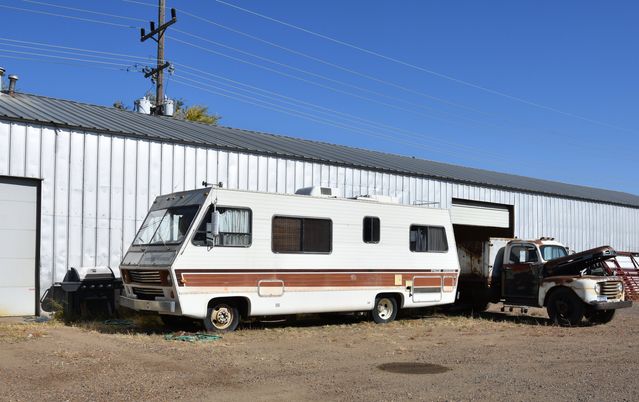
Modern retail has changed what customers consider convenient. People are accustomed to checking availability before leaving home, comparing options online, understanding costs, making appointments digitally, receiving updates, and completing payments with relatively little effort. Those expectations increasingly influence how customers interact with service businesses as well.
RV storage and repair are very different from conventional retail. Storing a large recreational vehicle involves space, security, access, and facility management, while repairs often require physical inspection and skilled technical work. Still, the experience surrounding these services can borrow several useful ideas from retail.
For businesses providing RV storage and repair services, the opportunity is to make the customer journey clearer and easier without trying to turn a complex service into a simple transaction. Better digital access, transparent information, convenient scheduling, useful updates, and organized follow-up can make RV ownership less complicated for customers.
Let Customers Research Before They Make Contact
Modern retail gives customers significant information before they ever speak with an employee. Shoppers can compare options, view photographs, check specifications, and understand basic pricing from home. RV businesses can provide a similar level of initial clarity.
Storage customers may want to know what types of spaces are available, which RV sizes can be accommodated, when they can access their vehicles, and what facility rules apply. Repair customers may want to determine whether the business handles their type of problem before arranging a visit.
Providing this information online reduces uncertainty. It can also improve the quality of inquiries because customers arrive with a better understanding of what the business offers.
This does not mean every question needs an online answer. Some repairs require inspection, and storage requirements can vary by vehicle. The goal is to answer predictable questions while making it obvious when customers need to contact the business for individual guidance.
Make Availability Easier to Understand
One major advantage of modern retail is visibility into inventory. Customers can often determine whether something is available before traveling to a store.
RV storage businesses can learn from this principle. Customers looking for storage do not want to spend time making multiple calls only to discover that no suitable spaces are available. Even when live availability cannot be displayed publicly, the process for checking it should be straightforward.
Repair businesses can apply a similar idea to scheduling. Customers should have a practical way to request an appointment or determine when their RV can be assessed.
Providing realistic information is important. If appointment availability changes frequently or repairs depend on parts and technician capacity, businesses should avoid promising timelines they cannot consistently meet. Convenience works only when the information behind it is dependable.
Create a Smoother Check-In Experience
Retailers pay close attention to what happens when a customer enters a store or begins an online purchase. RV businesses can apply the same thinking to vehicle drop-off and storage check-in.
Customers should know where to take their RV, what information they need, and what will happen after arrival. Clear instructions become especially valuable when customers are maneuvering large vehicles around an unfamiliar facility.
For repair work, an organized intake process can document the customer’s concerns, vehicle condition, symptoms, and other relevant information. This gives technicians a better starting point and reduces the risk of misunderstandings.
Storage check-in can similarly establish access procedures, customer responsibilities, facility policies, and other practical details. A predictable process helps the business appear organized while making customers more comfortable leaving an expensive vehicle on the property.
Borrow Retail’s Approach to Transparent Pricing
Customers appreciate knowing what they are likely to pay before making a commitment. Retail has made this expectation particularly strong because prices are usually visible before checkout.
RV storage businesses can often provide relatively clear information about how rates are structured. Customers should understand what affects pricing and whether additional charges may apply.
Repair pricing is naturally more complicated. A visible symptom does not always reveal the underlying problem, and technicians may need to inspect an RV before providing an accurate estimate.
Even when an exact price cannot be provided immediately, the pricing process can still be transparent. Customers can be told whether diagnostic charges apply, when an estimate will be provided, and whether approval is required before additional work begins. Clarity about the process can be almost as important as knowing the final amount.
Keep Customers Updated During Repairs
One feature customers appreciate in modern retail is the ability to follow an order after making a purchase. They may receive notifications when it is confirmed, processed, shipped, and delivered.
RV repair businesses can adopt a similar approach to service communication. Customers do not need a message every time a technician performs a task, but they should not have to repeatedly call simply to learn whether anything has happened.
Useful updates might confirm that an RV has been assessed, indicate that customer approval is required, explain that work is delayed, or notify the owner that the vehicle is ready for collection.
This can benefit staff as well. Reducing routine status calls allows employees to spend less time answering repetitive questions. The result is a better experience on both sides without changing the technical work itself.
Make Storage Feel Like an Ongoing Service
Retail has increasingly moved beyond individual transactions through subscriptions, memberships, accounts, and other ongoing relationships. RV storage already has a natural recurring element, but businesses can improve how that relationship is managed.
Customers should have clear information about billing, access, renewals, policies, and how to update their details. Administrative questions should not require unnecessary effort every time something changes.

Communication can also reflect the fact that customers may not visit their stored RV regularly. Appropriate reminders about account matters or relevant preparation before removing a vehicle from storage can help owners stay organized.
A smoother ongoing experience can make customers less likely to reconsider their storage provider simply because managing the account has become inconvenient.
Connect Storage and Repair Around Customer Needs
Retail businesses frequently make related services easier to access in one place. An RV company offering both storage and repair can apply this principle without aggressively cross-selling.
A vehicle that has been stored for an extended period may need attention before a major trip. A customer bringing an RV in for repair may also be looking for a better long-term storage arrangement.
Businesses can make customers aware of relevant options at appropriate moments. The important distinction is that the recommendation should solve a real need rather than exist solely to increase the transaction value.
This can create genuine convenience. Customers may prefer working with one trusted business rather than separately searching for storage, inspections, maintenance, and repairs.
Use Customer History to Make Service More Relevant
Retailers often use purchase history to make future interactions more relevant. RV businesses can apply a more practical version of this idea by maintaining accurate service records.
Knowing what repairs were previously completed, when an RV entered storage, or what maintenance has already been performed can improve future conversations. Customers do not have to repeatedly explain the same history, while employees have useful information when evaluating new requests.
With appropriate permission, this information can also support relevant reminders. A customer might receive communication related to a previously recommended follow-up or an upcoming storage need rather than unrelated promotions.
Customer information should, of course, be handled responsibly. Personalization is useful only when customers can trust the business with the information required to provide it.
Make Payments and Paperwork Less Painful
Customers rarely choose an RV repair provider because they enjoy dealing with invoices and forms. Yet administrative friction can significantly affect how they remember the experience.
Modern retail has shown the value of making transactions straightforward. RV businesses can review estimates, approvals, invoices, storage agreements, payments, and other administrative processes to identify unnecessary steps.
Digital options can be helpful where appropriate, particularly when customers are not physically at the facility. A repair customer may need to approve additional work while traveling, while a storage customer may need to manage a recurring payment without visiting the office.
Simplification should not mean removing necessary documentation. The objective is to make required processes easier to understand and complete.
Turn Service Completion Into the Beginning of Retention
Retailers rarely view a completed purchase as the end of the customer relationship. RV businesses have good reason to think the same way because owners are likely to need storage, maintenance, or repair again.
After completing work, businesses can provide relevant documentation and explain any future maintenance considerations. Storage customers can receive clear information about ongoing account management and vehicle access.
Appropriate follow-up also keeps the business familiar. When another problem occurs or the owner needs storage again, they may return to a company they already know instead of beginning another search.
Retention should come from a good experience rather than constant marketing. Clear communication, dependable service, and easy administration often give customers more reason to return than repeated promotional offers.
Convenience Cannot Replace Technical Expertise
There is an important limit to the retail comparison. RV repair involves mechanical, electrical, structural, plumbing, and other systems that can require experienced diagnosis. A convenient booking process cannot determine the cause of every technical problem.
Storage also involves responsibilities that ordinary retail businesses do not face. Facilities must manage large vehicles, access procedures, property conditions, and other operational considerations.
Retail principles should therefore improve the experience around the service rather than dictate how professional work is performed. Easier scheduling, clearer communication, and smoother payments are valuable precisely because they allow customers and staff to focus more attention on the actual RV.
Bringing Retail Convenience to the RV Customer Journey
The biggest lesson RV storage and repair businesses can take from modern retail is straightforward: customers value businesses that are easy to deal with.
They want to understand their options before making contact, know what happens after they arrive, receive updates when circumstances change, and complete routine administrative tasks without unnecessary effort. For RV owners, these improvements can remove some of the inconvenience surrounding the storage and maintenance of a large, complex vehicle.
The strongest businesses will not simply copy retail trends. They will adapt the useful ones to the realities of RV ownership. By combining professional storage and repair capabilities with a clearer, more convenient customer experience, RV businesses can build relationships that last across storage periods, repairs, maintenance needs, and many future trips.
Leave a Reply