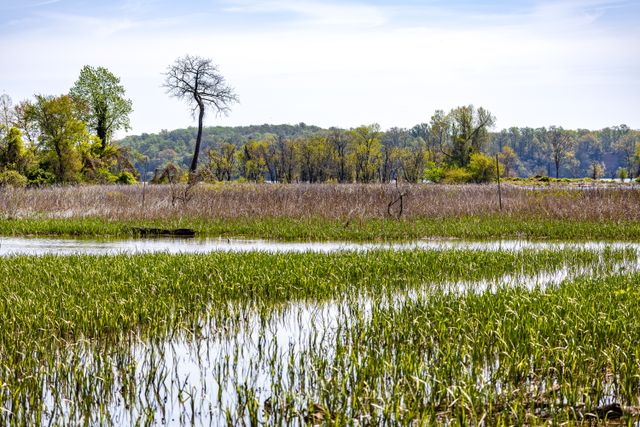
Native plants are moving beyond specialist restoration projects and into everyday conversations about gardens, yards, and residential properties. Homeowners are becoming more interested in plants suited to regional conditions, while retailers and nurseries have opportunities to make those choices easier to understand and purchase. Wetland-associated native plants are part of this shift, particularly for properties with naturally moist or seasonally wet areas.
This does not mean a residential garden can simply be turned into a wetland by purchasing a few plants. Wetlands are complex ecosystems, and actual restoration or alteration can involve hydrology, soils, existing vegetation, wildlife, regulations, and professional planning. However, growing retail access to native plants can give property owners more opportunities to use locally appropriate vegetation in suitable areas.
Businesses specializing in wetlands and native plants can play an important role in connecting retail interest with responsible plant selection. As demand grows, the challenge is not merely making more native plants available. Customers also need enough information to understand what they are buying, where those plants belong, and what successful establishment actually requires.
Native Plants Are Becoming More Relevant to Everyday Gardeners
For many years, native plants were discussed primarily among restoration professionals, conservation organizations, specialized growers, and particularly enthusiastic gardeners. The average homeowner was more likely to select plants based on appearance, availability, or familiarity.
That pattern is gradually changing. More property owners are considering how plants interact with local conditions rather than viewing a garden simply as a decorative collection.
Native plants can appeal to customers for several reasons. Some want vegetation adapted to regional environments, while others are interested in supporting local wildlife or creating a different style of garden. Homeowners with difficult areas may also begin exploring native species when conventional planting approaches perform poorly.
Retail availability makes this interest easier to act upon. Once customers can actually find native plants through familiar purchasing channels, awareness has a clearer path toward adoption.
Retail Can Make an Unfamiliar Category Easier to Navigate
One of retail’s strengths is turning complicated choices into understandable categories. Native plants can benefit from this approach because customers may be interested in them without knowing individual species or ecological terminology.
Instead of expecting shoppers to begin with plant names, retailers can help them think about conditions. Plants can be explained according to sunlight, soil moisture, mature size, seasonal appearance, and appropriate planting situations.
This is especially useful for species associated with wetter conditions. A customer may not know which native plant they want, but they may know that one part of their property remains moist much longer than the rest.
Organizing information around real property conditions can help customers narrow their choices. It also reduces the risk of people selecting plants based only on appearance and later discovering that the site is unsuitable.
Wet Areas Can Become a Starting Point for Native Plant Interest
A persistently wet part of a yard is often treated purely as a problem. Property owners may struggle to maintain conventional turf or plants in an area where moisture conditions are unsuitable.
Native vegetation can introduce another way of thinking about the space. Depending on the site, certain plants adapted to wetter conditions may be more appropriate than species that require consistently dry soil.
Retailers can help customers understand that “wet” is not a single condition. Soil that remains slightly moist differs from an area that experiences periodic standing water, and both differ from a regulated or naturally occurring wetland.
This distinction matters. Retail interest can introduce homeowners to moisture-tolerant native plants, but complicated hydrological or wetland conditions may require professional evaluation rather than a simple retail solution.
Better Plant Labels Can Make Better Buyers
Traditional plant labels often provide basic information such as sunlight requirements, mature size, and general care. Native plant shoppers may benefit from additional practical guidance.
Customers should be able to understand moisture preferences, growth habits, expected seasonal changes, and the conditions in which a plant is most likely to establish successfully. Information about whether a species spreads readily or requires particular management can also influence purchasing decisions.
Clear labeling helps reduce unrealistic expectations. A native plant may not look the same throughout the year, and some species need time to become established before showing their mature characteristics.
Retailers do not need to turn every label into a botanical textbook. The most useful information is the information that helps a customer decide whether the plant belongs on their property.
Retailers Can Sell Plant Communities, Not Just Individual Plants
Conventional retail encourages customers to evaluate plants individually. A shopper sees an attractive plant, decides where it might fit, and purchases one or several.
Native planting often benefits from thinking more broadly about how plants relate to site conditions and one another. Retailers can help customers move toward this approach by explaining combinations suitable for similar light and moisture conditions.
For example, instead of presenting a moisture-tolerant native plant in isolation, a retailer could help shoppers understand which other plants may perform under comparable conditions. This gives customers a more realistic starting point for planning an area rather than making disconnected purchases.
Such guidance can also improve visual results. Customers are more likely to appreciate native planting when they understand how different heights, flowering periods, textures, and seasonal appearances can work together.
Retail can therefore encourage a shift from buying individual plants toward planning small plant communities.
Education Can Reduce the “Low Maintenance” Misunderstanding
Native plants are sometimes marketed as though choosing them automatically eliminates maintenance. That can create disappointing experiences.
A plant suited to local conditions may require less intervention once established than a poorly matched alternative, but establishment itself can still require attention. Watering, weed management, monitoring, pruning where appropriate, and other care may be necessary.
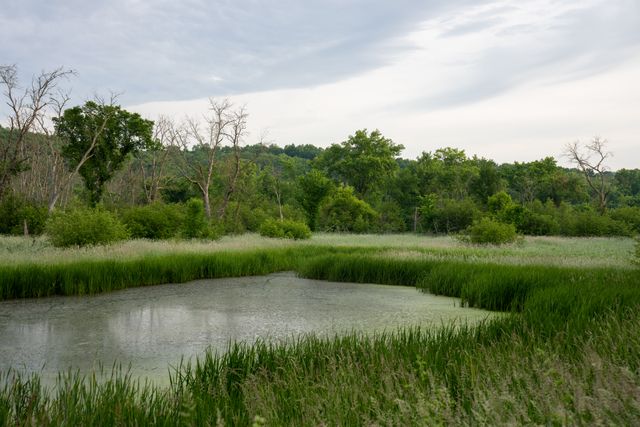
The amount of maintenance also depends on what the property owner wants the area to look like. A highly managed residential planting will have different expectations from a more naturalistic area.
Retailers can build greater trust by explaining this honestly. Customers should understand that native does not mean maintenance-free.
Setting realistic expectations may actually increase long-term interest because homeowners are less likely to abandon native planting after discovering that it still requires care.
The Customer Experience Can Continue After Checkout
Modern retail increasingly extends beyond the point of purchase. Customers receive instructions, reminders, educational content, and support after taking a product home.
Native plant retailers can apply the same idea. Aftercare information can explain establishment, seasonal changes, watering considerations, and what customers should expect during the first growing period.
This is particularly valuable for first-time native plant buyers. A plant that becomes dormant or changes appearance seasonally may concern someone accustomed to different garden plants.
Educational follow-up can prevent customers from interpreting normal plant behavior as failure. It can also help them identify situations where the site or care approach may need adjustment.
The result is a retail relationship based on successful establishment rather than simply completing a sale.
Retail Demand Can Support Greater Variety
As customer interest grows, retailers have more reason to expand the range of native plants they make available. Greater variety can then encourage more customers to experiment with native planting.
However, assortment should be thoughtful. Simply labeling a section “native plants” without considering regional suitability can create confusion, especially when the geographic meaning of native is unclear.
Retailers can provide greater value by explaining the relevant region and helping customers understand why local suitability matters. Staff education becomes important as the category expands.
A broader assortment can also support different property conditions. Customers with sunny dry areas, shaded locations, average garden soils, or wetter spaces should not all receive the same recommendations.
Retail growth is most useful when greater availability is accompanied by greater clarity.
Online Shopping Can Expand Access to Native Plants
Retail interest in native plants is not limited to physical stores. Digital shopping can help customers discover species that may not be readily available in nearby general-purpose retail locations.
Online information also gives customers more time to research plant characteristics before purchasing. Filters based on region, light, moisture, size, and other useful criteria can make large selections easier to navigate.
However, online convenience makes accurate information particularly important. Customers cannot physically inspect the plant or immediately ask an employee a question, so descriptions need to communicate suitability clearly.
Availability and shipping considerations can also affect what customers receive and when they should plant it. Retailers should avoid letting a convenient purchasing experience create unrealistic expectations about establishment or seasonal timing.
Digital retail can broaden native plant access, but information quality needs to grow alongside that access.
Native Plants Can Create Opportunities for Retail and Professional Services to Meet
Not every native plant project requires professional help. Many homeowners can successfully introduce appropriate plants into existing gardens after doing reasonable research.
Other properties are more complicated. Significant drainage concerns, erosion, invasive vegetation, sensitive areas, large restoration projects, or potential wetlands may require specialized knowledge.
This creates a natural relationship between retail and professional services. Retail can serve customers completing manageable planting projects, while specialists can address situations that require site assessment and more detailed planning.
Businesses should make this distinction clear rather than encouraging customers to treat every property problem as something that can be solved through a plant purchase.
Knowing when a project has moved beyond ordinary gardening is part of responsible customer education.
Retail Interest Should Not Blur the Meaning of Wetland Restoration
As wetland plants become more accessible, an important distinction needs to remain clear. Planting species associated with wetlands does not automatically create or restore a wetland.
Wetlands involve relationships among water, soil, vegetation, and other environmental factors. Existing wetlands may also be subject to legal protections or regulatory requirements depending on the location.
Homeowners should therefore be cautious about making significant changes to areas they suspect may be wetlands. Retail information can help people select plants for ordinary residential conditions, but it cannot replace appropriate professional or regulatory guidance when a property contains sensitive areas.
Maintaining this distinction protects customers as well as ecosystems. Growing enthusiasm for native plants should encourage more informed decisions rather than oversimplifying complex environmental work.
Turning Retail Interest Into Long-Term Native Plant Success
The growing visibility of native plants gives homeowners more opportunities to think differently about what belongs in their gardens. Retail can make that transition easier by putting appropriate plants within reach and explaining them in language ordinary customers can use.
The next stage is making sure availability is matched by education. Clear labels, site-based recommendations, realistic maintenance expectations, useful plant combinations, and post-purchase guidance can help customers achieve better results.
Wetland-associated plants add another interesting dimension because they can introduce homeowners to vegetation suited to moisture conditions they may previously have considered only a problem. At the same time, retailers need to distinguish ordinary wet-area gardening from genuine wetland management or restoration.
Bringing native plants closer to everyday retail does not mean reducing them to another garden trend. Done responsibly, it can give more property owners a practical introduction to planting choices shaped by local conditions. That connection between accessibility, education, and appropriate plant selection may be what turns today’s retail interest into lasting demand for native plants.
Leave a Reply