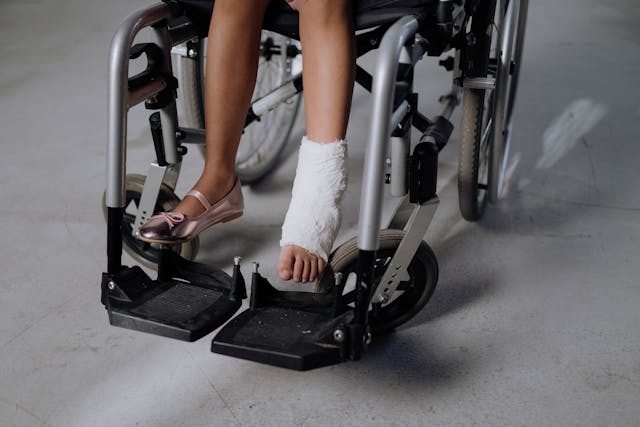
Understanding What a Retail Injury Claim Usually Involves
A retail injury can happen in many everyday places, including grocery stores, shopping centers, department stores, pharmacies, beauty stores, and other public businesses. These accidents may involve wet floors, uneven surfaces, falling merchandise, broken stairs, poor lighting, crowded walkways, or unsafe displays. For the injured person, the situation can feel confusing because the accident happened on someone else’s property, but the medical bills, pain, and stress become their problem immediately.
Retail injury cases often fall under premises liability, which means the property owner, store operator, or another responsible party may be held accountable if unsafe conditions caused the accident. However, not every accident automatically becomes a valid legal claim. The injured person usually needs to show that a dangerous condition existed, that the store knew or should have known about it, and that the condition directly caused the injury.
This is why finding the right legal help matters. A lawyer who handles retail injury cases can review what happened, identify who may be responsible, and explain whether the injured person has a strong claim. Instead of guessing what to do next, injury victims can get clear guidance based on the details of their accident.
Why Retail Injury Victims Should Act Quickly
After an accident in a store or shopping area, timing can make a big difference. Evidence can disappear quickly. A spill may be cleaned, damaged flooring may be repaired, security camera footage may be deleted, and witnesses may become harder to contact. If the injured person waits too long, it may become more difficult to prove what caused the accident.
Retail injury victims should try to document the scene as soon as possible. Photos of the hazard, the surrounding area, visible injuries, and any warning signs can be useful later. If there were witnesses, their names and contact details may also help. The injured person should also report the accident to the store manager and ask for a copy or record of the incident report if possible.
Medical care is also important. Some injuries feel minor at first but become worse later, especially back, neck, head, knee, or shoulder injuries. Seeing a doctor creates a medical record that connects the injury to the accident. When a lawyer reviews the case, these records can help show the seriousness of the injury and the treatment needed.
What Kind of Legal Help Is Best for Retail Injury Cases?
Not every lawyer handles the same type of case. A retail injury victim should look for legal help from someone who works with personal injury and premises liability matters. This experience is important because retail injury claims often involve store policies, inspection records, surveillance footage, cleaning logs, employee statements, insurance companies, and property ownership questions.
The right legal help should be able to explain the process in simple terms. Injury victims should not feel pressured or confused during the first conversation. A good lawyer will ask questions about where the accident happened, what caused it, whether the store was notified, what injuries occurred, and what medical treatment has been received.
Retail injury victims should also pay attention to communication. The lawyer or legal team should be responsive, organized, and clear about what information they need. Since injury claims can take time, it is important to work with someone who keeps the client updated instead of leaving them unsure about the status of their case.
Questions to Ask Before Choosing a Lawyer
Before deciding who to hire, retail injury victims should ask a few practical questions. These questions can help them understand whether the lawyer is a good fit for their situation.
A victim may ask whether the lawyer has handled slip and fall, trip and fall, falling object, or retail store injury cases before. They can also ask how the lawyer usually investigates these claims and what kind of evidence may be needed. Another important question is how fees work. Many personal injury lawyers work on a contingency fee basis, meaning they only get paid if compensation is recovered, but the client should still understand the terms clearly.
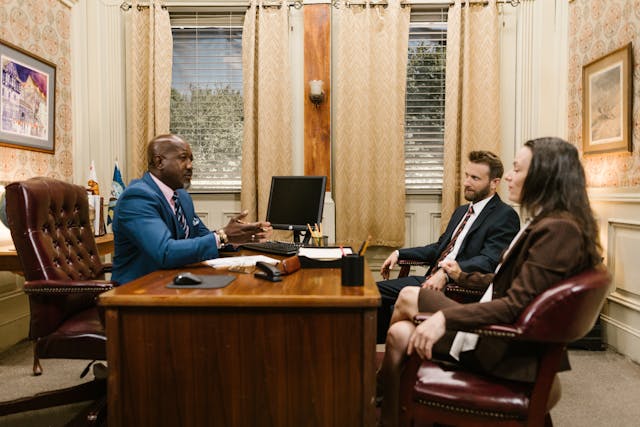
It is also helpful to ask who will handle the case day to day. Sometimes a person speaks with one lawyer during the consultation but mainly communicates with staff afterward. That is not always a problem, but the client should know what to expect. Clear expectations from the start can prevent frustration later.
Why Insurance Companies Should Be Handled Carefully
After a retail accident, an insurance company may contact the injured person. They may ask for a statement, medical information, or details about the accident. While this may seem routine, injury victims should be careful. Insurance companies often look for ways to limit what they pay, and a simple statement can sometimes be used against the injured person later.
This does not mean every insurance conversation is harmful, but it does mean victims should understand their rights before speaking in detail. A lawyer can help manage communication with the insurance company and make sure the claim is presented properly. This can protect the injured person from saying something that may be misunderstood or taken out of context.
Legal help is also useful when reviewing settlement offers. An early offer may seem helpful, especially when medical bills are piling up, but it may not reflect future treatment, lost wages, pain, or long-term effects. A lawyer can help determine whether an offer is fair based on the full impact of the accident.
What Evidence Can Help a Retail Injury Claim?
Evidence is one of the most important parts of a retail injury case. The stronger the evidence, the easier it may be to show what happened and why the store or property owner may be responsible. Useful evidence can include photos, videos, witness statements, incident reports, medical records, store surveillance footage, cleaning schedules, maintenance records, and proof of lost income.
For example, if someone slipped on a wet floor, evidence may show whether there was a warning sign nearby, how long the spill had been there, and whether employees should have noticed it sooner. If someone was hurt by falling merchandise, the investigation may look at how the shelves were stocked, whether the display was unsafe, and whether similar problems had happened before.
A lawyer can help request and preserve evidence before it disappears. This is one of the main reasons retail injury victims should not delay getting legal guidance. Waiting too long can make the case harder to prove, even if the injury was serious.
Choosing Legal Help That Feels Trustworthy
Retail injury victims should feel comfortable with the legal help they choose. The lawyer should listen carefully, explain the claim process, and give honest feedback about the strengths and challenges of the case. A trustworthy lawyer will not promise a specific result just to win the client’s trust. Instead, they will explain what can be done and what factors may affect the outcome.
The injured person should also look for a lawyer who treats the case seriously. Retail accidents can sometimes be dismissed as minor, but injuries from falls or unsafe store conditions can affect someone’s ability to work, care for family, drive, sleep, or manage daily routines. The right legal help understands that the case is not just about paperwork. It is about how the accident changed the person’s life.
Online reviews, referrals, consultation calls, and case experience can all help a person make a better choice. However, the final decision should be based on both qualifications and comfort level. The client should feel that the legal team is capable, clear, and respectful.
Moving Forward After a Retail Accident
Finding the right legal help after a retail accident can make the recovery process less overwhelming. Injury victims may be dealing with pain, medical appointments, missed work, and uncertainty about what comes next. A lawyer who understands retail injury claims can help organize the case, deal with insurance companies, gather evidence, and explain the available options.
The most important step is not to ignore the situation. Even if the accident seems simple, the legal and insurance process can become complicated. Getting advice early can help the injured person avoid mistakes and protect their claim.
Retail injury victims deserve clear answers after an accident. With the right legal help, they can better understand their rights, build a stronger case, and focus more on healing while the legal process is handled with care.
Leave a Reply