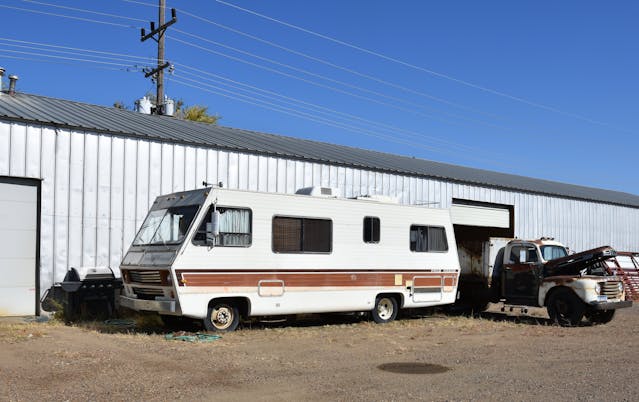
Recreational vehicle travel has experienced a major surge as more people embrace road-based lifestyles, weekend adventures, and extended cross-country journeys. For many travelers, RVs represent freedom, flexibility, and the ability to explore without relying on traditional travel infrastructure. As the number of RV owners grows, so does the demand for reliable support services that keep vehicles ready for the road.
Traditionally, RV storage facilities, repair shops, and supply stores have operated separately. Travelers might store their vehicle in one location, schedule maintenance at another shop, and purchase travel supplies from a different retailer. While this system works, it often requires unnecessary coordination and travel between locations.
A growing trend in the RV industry is the development of integrated service hubs that combine storage, repair services, and retail offerings within a single location. By bringing these services together, businesses create convenient destinations that support modern road travelers while generating new opportunities for customer engagement and revenue.
Understanding the Needs of Today’s RV Travelers
Modern RV owners use their vehicles in many different ways. Some travelers use their RVs for weekend camping trips, while others embark on extended road journeys lasting weeks or months. Many families and retirees now rely on RV travel as a flexible alternative to traditional vacations.
Because these vehicles function as both transportation and living space, maintenance and preparation are essential. Owners need reliable storage between trips, routine mechanical inspections, cleaning services, and access to travel supplies that keep their journeys comfortable.
When these services are scattered across multiple providers, RV owners must spend additional time coordinating logistics. Integrated service hubs simplify this process by offering a single location where travelers can manage storage, maintenance, and trip preparation at once.
By addressing these practical needs, service hubs create an environment that supports the entire RV lifestyle.
Combining Storage, Maintenance, and Retail in One Location
RV storage facilities often represent the starting point for integrated service hubs. Many RV owners cannot store large vehicles at home due to space limitations or neighborhood regulations. Secure storage locations provide a convenient solution that protects vehicles between trips.
When repair and maintenance services are added to these facilities, the value of the location increases significantly. Owners can schedule inspections, mechanical repairs, tire replacements, or system checks before retrieving their RV for a journey. Instead of transporting the vehicle to a separate repair shop, the work can be completed at the storage site.
Retail services further enhance the convenience of these hubs. Stores offering camping supplies, RV accessories, replacement parts, and travel essentials allow customers to prepare for trips without visiting additional stores. Travelers can pick up equipment, stock up on supplies, and ensure their vehicle is ready for the road—all within the same location.
This combination transforms the facility from a simple storage site into a complete support center for RV owners.
Creating Destinations Rather Than Utility Services
Integrated service hubs do more than streamline logistics. They also create environments where RV owners feel encouraged to spend time exploring services and products.
When facilities include comfortable waiting areas, retail spaces, and outdoor demonstration areas for camping equipment, the location begins to resemble a destination rather than a purely functional service site. Customers arriving for maintenance may browse accessories or learn about new travel gear while they wait.
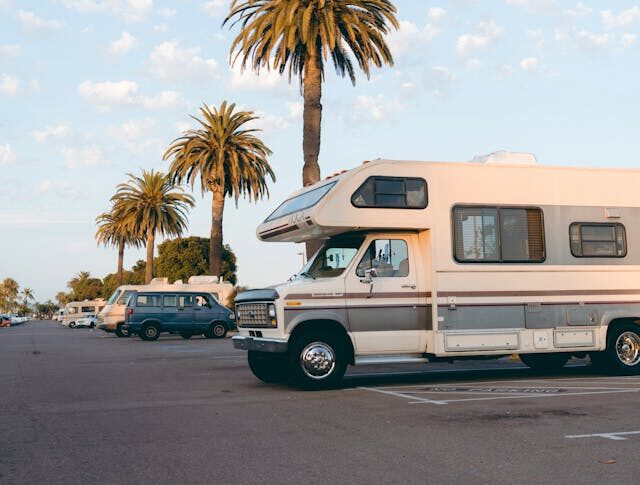
These environments can also support community engagement. Workshops on RV maintenance, travel planning seminars, or seasonal events allow owners to connect with other travelers and learn new skills related to their lifestyle.
By creating welcoming environments, businesses transform routine service visits into experiences that strengthen customer relationships.
Supporting Road Travel with Convenience and Efficiency
Convenience plays a major role in the success of integrated RV service hubs. Travelers preparing for a trip often have limited time before departure. If maintenance issues arise or supplies are missing, the ability to resolve those needs quickly becomes essential.
Service hubs reduce the number of stops required to prepare for travel. Instead of driving to multiple locations for repairs, equipment purchases, and vehicle pickup, owners can complete these tasks during a single visit.
This efficiency is particularly valuable for travelers departing on long journeys. Knowing that their vehicle has been inspected, repaired, and properly stocked provides peace of mind before heading onto the road.
Convenience also encourages repeat visits. When customers know they can rely on a single location for multiple services, they are more likely to return regularly.
Retail Opportunities within RV Service Centers
Retail offerings within RV service hubs often focus on products that enhance travel experiences. These may include outdoor cooking equipment, camping gear, replacement parts, and comfort items designed specifically for RV living.
Because customers visiting the facility already own recreational vehicles, they represent a highly targeted audience for these products. Retailers within service hubs benefit from this built-in customer base.
Displaying products in realistic settings can further increase engagement. For example, outdoor equipment demonstrations or RV accessory displays help customers visualize how products fit into their travel routines.
When retail spaces align with the needs of travelers, they naturally complement the core services offered at the hub.
Strengthening Customer Relationships Through Service Integration
Combining storage, repair, and retail services allows businesses to build stronger relationships with RV owners. Instead of interacting with customers only during occasional repairs or storage payments, businesses become part of the traveler’s ongoing journey preparation.
Each interaction—whether it involves routine maintenance, equipment purchases, or travel advice—reinforces the connection between the customer and the service hub. Over time, the location becomes a trusted resource that travelers rely on whenever they prepare for new adventures.
These long-term relationships also encourage referrals. RV communities often share recommendations with fellow travelers, and positive experiences at service hubs can lead to new customers discovering the facility.
Strong relationships contribute to both customer loyalty and business growth.
The Future of RV Service Infrastructure
As RV ownership continues to grow, the demand for convenient support services will likely expand as well. Integrated service hubs represent a forward-thinking approach that addresses multiple needs within a single location.
By combining storage, repair services, and retail offerings, these hubs create efficient and welcoming environments for modern road travelers. Owners benefit from simplified trip preparation, while businesses gain opportunities to provide comprehensive support throughout the RV ownership experience.
The result is a new type of travel infrastructure—one designed not only to maintain vehicles but also to support the lifestyle that recreational vehicle travel represents.
As more businesses adopt this integrated model, RV service hubs may become essential destinations for travelers preparing to explore the open road.
Leave a Reply